What a Pickup in Store Spending Can Really Tell Shoppers
When retail spending ticks up, it doesn’t always mean households feel flush. For US readers, the more useful takeaway is how consumers keep buying selectively and what that means for timing big purchases.

A modest rise in retail spending is easy to read as good news, but shoppers know the mood on the ground is usually more complicated. People can be spending more because they feel confident, or because everyday essentials keep eating a bigger share of the budget. The headline number matters less to households than where the money is actually going.
For US readers, the practical lesson is that consumers across North America still look selective. That usually means shoppers are willing to pay for necessities, replace items they’ve put off buying, and hunt for value almost everywhere else. Stores notice that behavior quickly, and it often shows up in more aggressive promotions on discretionary categories like home goods, apparel, and seasonal extras.
That’s why a retail uptick can be oddly useful if you’re planning purchases. When spending holds up but buyers stay cautious, chains tend to work harder to win traffic instead of assuming people will buy at full price. If you’ve got a non-urgent purchase coming up, this is the kind of environment where comparing retailers, watching for short sale windows, and being flexible on brand can pay off.
The bigger point is that retail data is not a personal finance verdict. It won’t tell you whether your own budget has room to loosen up. But it does offer a clue about the kind of shopping culture we’re in right now: one where demand exists, patience matters, and the best deal often goes to the person who waits a week, checks one more site, and refuses to confuse spending activity with real affordability.
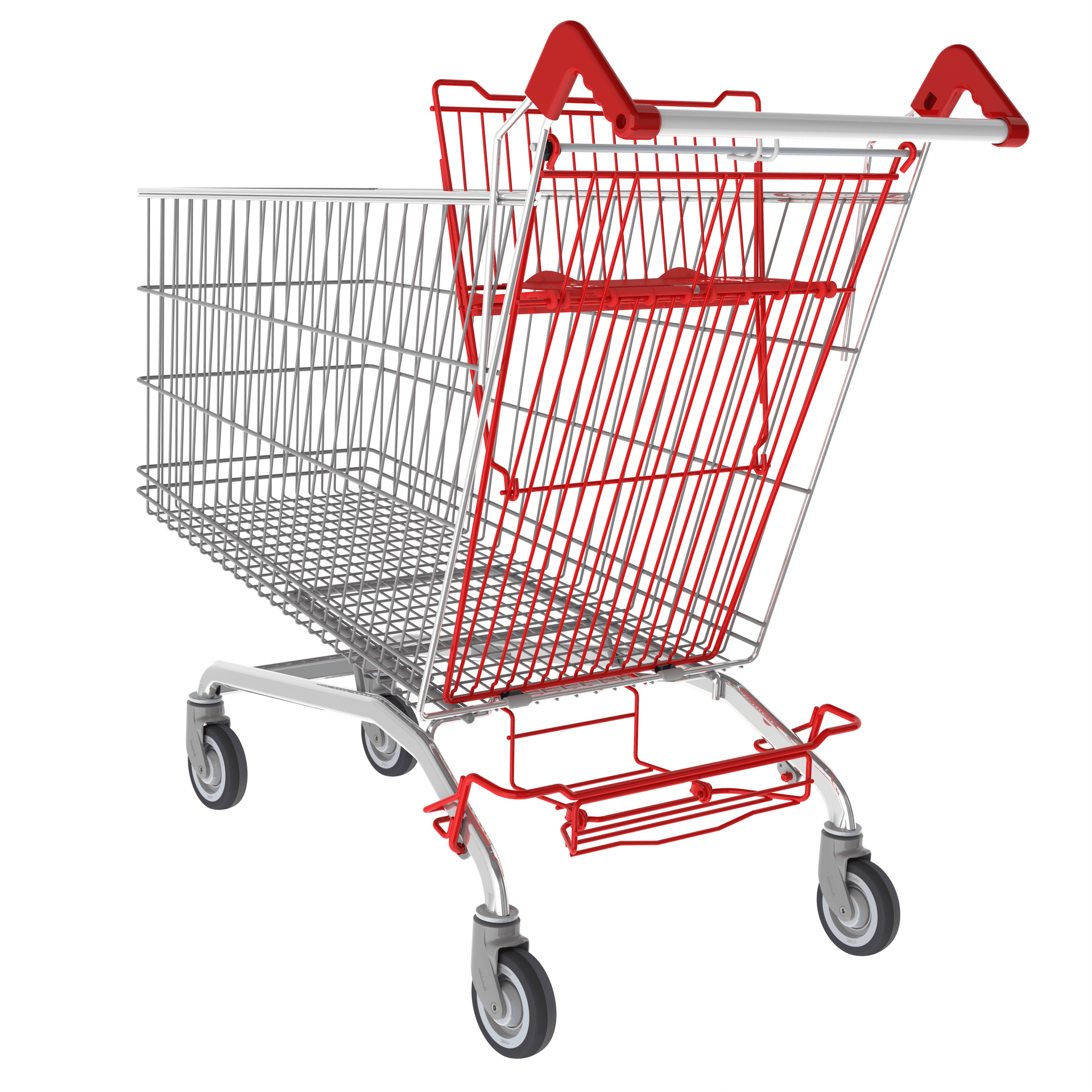
Photo: Roger McLassus. via Wikimedia Commons (CC BY-SA 3.0).

Related stories
Why a Spending Surge Doesn’t Mean Households Feel Rich
A strong month for consumer spending can sound like a victory lap, but many Americans know the difference between buying more and feeling financially comfortable. The real story is how households keep spending while staying cautious everywhere else.

What Empty Parking Lots Can Tell You About Shifting Spending Habits
Consumer confidence doesn’t always show up in headlines first. Sometimes the clearest clues are quieter: lighter shopping traffic, more selective purchases, and households stretching the life of what they already own.
Why Shoppers Keep Opening Their Wallets Even When Prices Still Sting
Americans are still spending, but that doesn’t mean household budgets feel comfortable. The real story is how people are getting more selective, stretching timing, and redefining what counts as a worthwhile purchase.