What a Recession Warning Really Means for Everyday Spending
Big economic warnings matter most when they change how households shop, save, and plan. For many Americans, the practical move is less panic and more tighter decision-making on the next six to twelve months of spending.
Recession talk tends to arrive like weather alerts: dramatic, constant, and hard to translate into real life. For most households, the useful question is not whether a famous forecaster is right on the exact timing. It is whether this is a good moment to get more deliberate about groceries, travel, subscriptions, and any large purchase that would be painful to carry if work hours shrink or bonuses disappear.
Consumer slowdowns usually show up in ordinary places first. People put off replacing phones, choose the cheaper airline seat, skip impulse buys at big-box stores, and suddenly notice how many monthly charges are quietly hitting the card. That does not mean everyone should freeze spending. It means now is a smart time to separate flexible wants from fixed needs and make sure your budget reflects the version of life you would want if the economy got bumpier by winter or next spring.
This is also when deals culture becomes practical instead of performative. Stocking up only helps if it replaces future full-price purchases. A warehouse run is not savings if it becomes expensive clutter. The better strategy is to focus on repeat essentials, compare insurance and service bills, and be choosier about financing. In a softer economy, cash flow matters more than the thrill of getting something on sale.
A recession warning can be useful if it pushes people toward cleaner financial habits instead of fear. Keep some breathing room, avoid locking yourself into unnecessary new payments, and treat discounts as tools rather than entertainment. If the downturn never comes, you end up with a sturdier budget. If it does, you will be glad you made your spending a little less casual while there was still time.
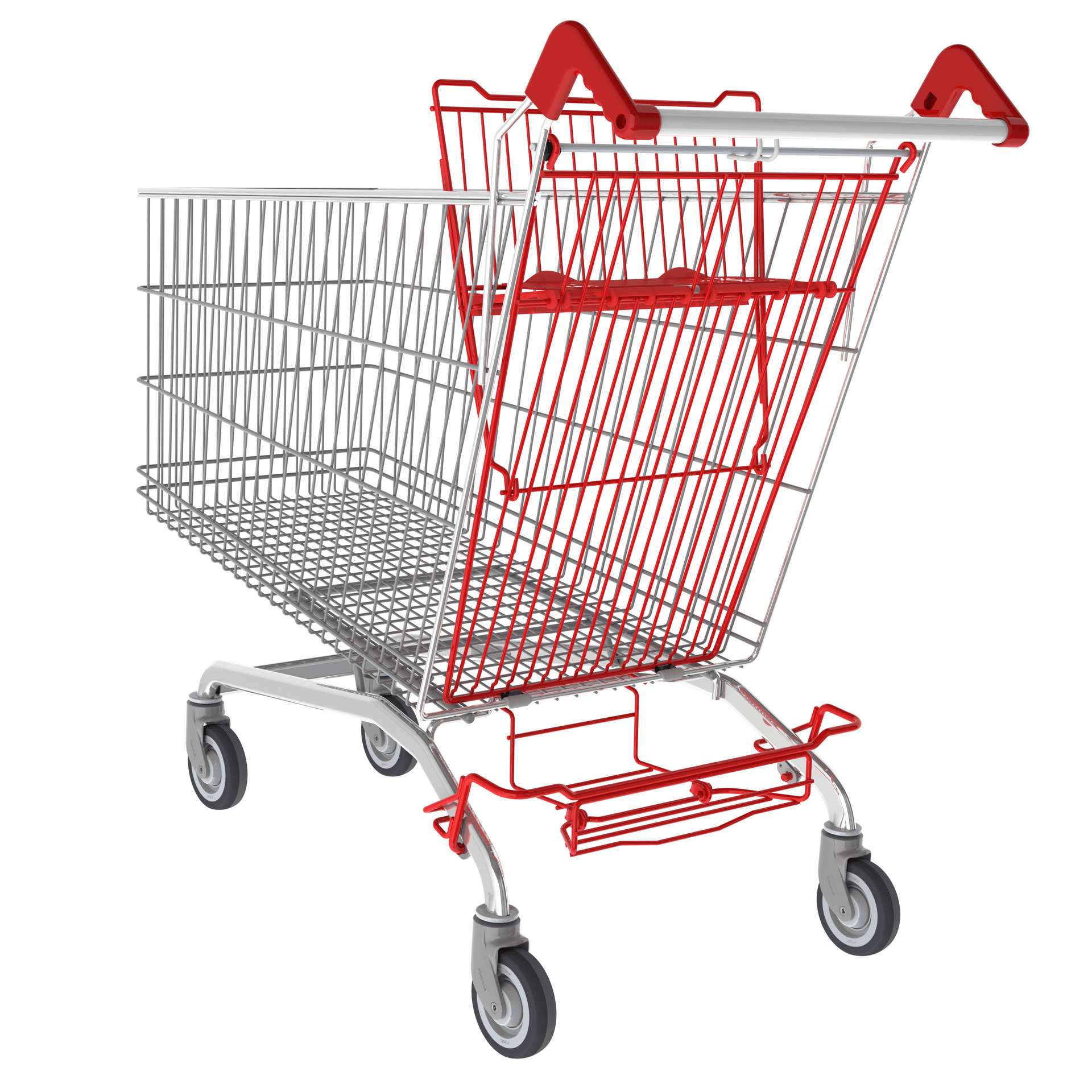
Photo: Caddiedrusenheim via Wikimedia Commons (CC BY-SA 4.0).

Related stories
Why a Spending Surge Doesn’t Mean Households Feel Rich
A strong month for consumer spending can sound like a victory lap, but many Americans know the difference between buying more and feeling financially comfortable. The real story is how households keep spending while staying cautious everywhere else.

What Empty Parking Lots Can Tell You About Shifting Spending Habits
Consumer confidence doesn’t always show up in headlines first. Sometimes the clearest clues are quieter: lighter shopping traffic, more selective purchases, and households stretching the life of what they already own.
Why Shoppers Keep Opening Their Wallets Even When Prices Still Sting
Americans are still spending, but that doesn’t mean household budgets feel comfortable. The real story is how people are getting more selective, stretching timing, and redefining what counts as a worthwhile purchase.