What Retail Sales Really Mean for Your Everyday Budget
Retail sales headlines can sound like a verdict on the whole economy, but for most households they matter most as a clue about where prices, promos, and pressure points may show up next. The useful move is to read them less like market news and more like a shopping forecast.

Retail sales stories often get framed as a sign that consumers are either powering through or pulling back, but for regular people the more practical question is simpler: where will stores get more aggressive next? When spending slows in some categories, retailers usually respond with louder promotions, tighter inventory, and more urgency around moving seasonal goods. That can create real opportunities for shoppers who are flexible about timing.
The catch is that not every sale is a bargain, and not every strong sales report means households are feeling great. Plenty of Americans are still making careful tradeoffs, buying essentials first and delaying nice-to-haves. That’s why retail headlines are best treated as context, not instructions. If stores are competing harder for discretionary spending, shoppers should expect more bundles, coupon pushes, and price matching in areas like apparel, home goods, and electronics.
This is also a good reminder to separate needs from retail theater. A busy checkout line or a wave of promotional emails can make it feel like spending is back in full force, but your own budget should lead. If you’ve got a list, a price target, and the patience to wait out inflated “limited-time” offers, retail slowdowns can work in your favor.
The smart consumer takeaway is not to shop more because stores seem nervous, or to panic because a sales report looks weak. It’s to watch for markdown cycles, compare across retailers, and stay selective. Retail data may be business news, but in real life it becomes useful when it helps you spend with less guesswork.
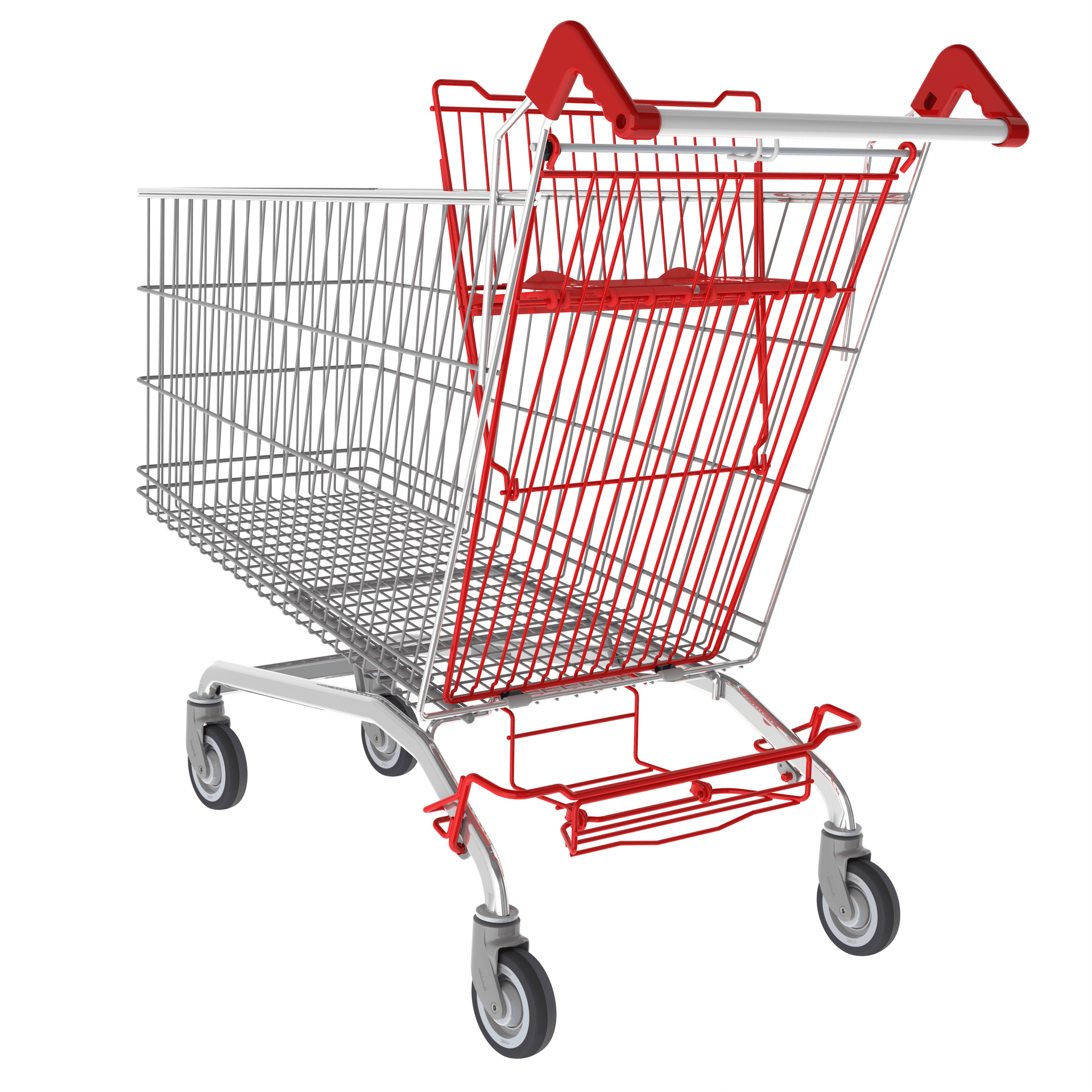
Photo: Roger McLassus. via Wikimedia Commons (CC BY-SA 3.0).

Related stories
Why a Spending Surge Doesn’t Mean Households Feel Rich
A strong month for consumer spending can sound like a victory lap, but many Americans know the difference between buying more and feeling financially comfortable. The real story is how households keep spending while staying cautious everywhere else.

What Empty Parking Lots Can Tell You About Shifting Spending Habits
Consumer confidence doesn’t always show up in headlines first. Sometimes the clearest clues are quieter: lighter shopping traffic, more selective purchases, and households stretching the life of what they already own.
Why Shoppers Keep Opening Their Wallets Even When Prices Still Sting
Americans are still spending, but that doesn’t mean household budgets feel comfortable. The real story is how people are getting more selective, stretching timing, and redefining what counts as a worthwhile purchase.