What Soup Aisle Price Moves Really Mean for Your Grocery Routine
When a big packaged-food company talks about raising prices and cutting costs, shoppers usually feel it first in the center aisles. The smart response is less panic-buying and more attention to which pantry staples still deliver value.
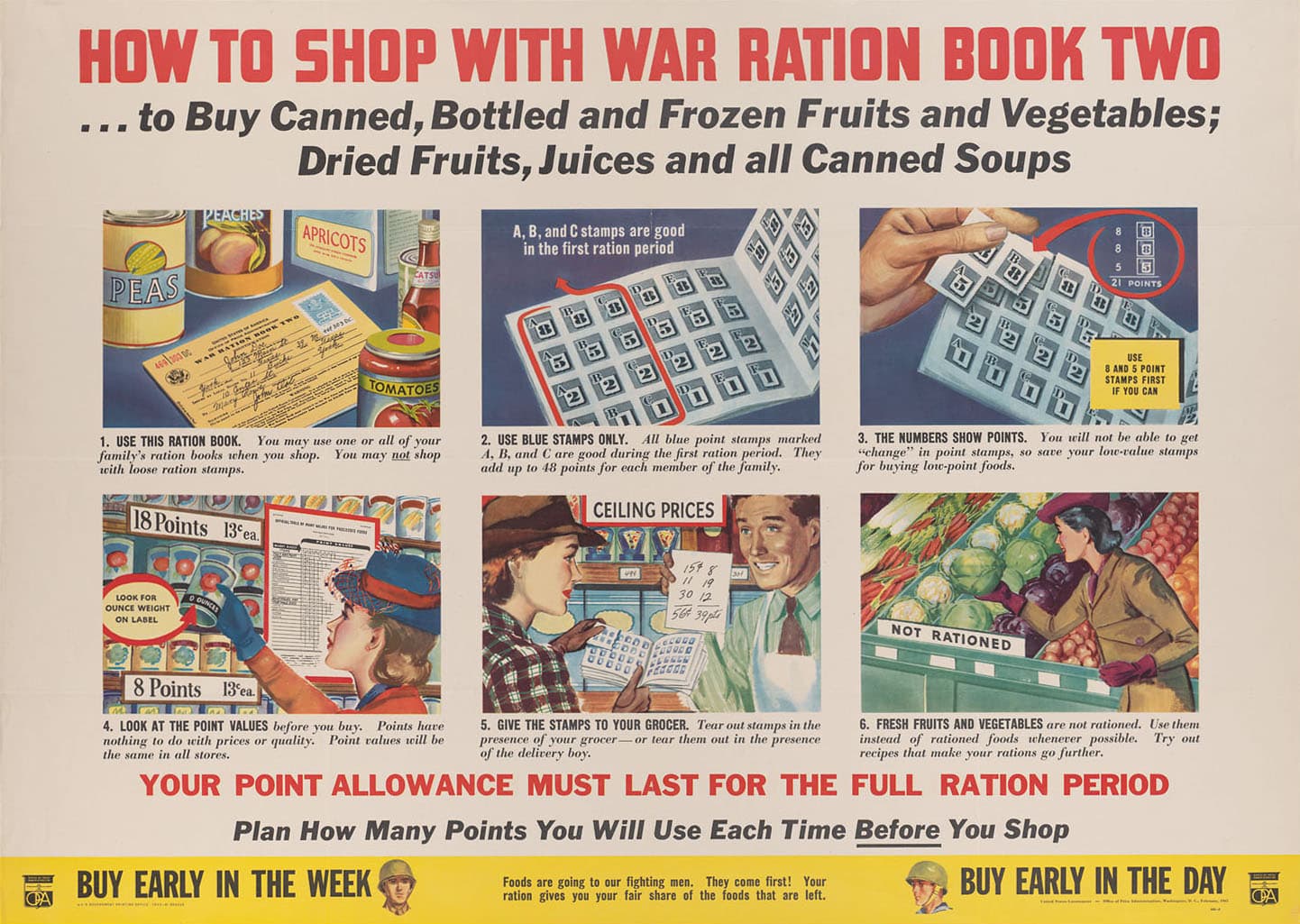
When a major food brand signals more price hikes while trimming its own expenses, it usually translates into a familiar grocery-store pattern: smaller moments of sticker shock on items people buy almost without thinking. Soup, crackers, sauces, and other pantry defaults can quietly become the products that stretch a weekly budget less than they used to. For shoppers, that matters because these are not flashy splurges — they are the backup meal, the quick lunch, the thing you grab when time is short.
The practical move is to stop treating legacy brands as automatic buys. A can of soup or a box of crackers used to feel like a low-decision purchase, but in a tighter food economy, every repeat item deserves a quick comparison. Store brands have improved, promotions are more uneven than they used to be, and the best value may come from rotating between labels instead of staying loyal to one household name.
There is also a quality question whenever companies talk about cost cuts. Sometimes savings come from operations and logistics, but shoppers know the other possibility: subtle recipe tweaks, lighter fill, or fewer discounts. Even when the product looks the same on the shelf, the overall value can change. That makes it worth paying attention not just to price tags, but to package size, ingredients, and whether a once-reliable convenience food still feels worth bringing home.
For most households, the takeaway is simple. Keep a few dependable pantry staples, but let price decide more often than branding. If a shelf-stable favorite gets too expensive, that is not a personal betrayal — it is a cue to switch, stock up only on real sales, and build meals around flexible basics instead of packaged habits. Food companies can try to repair margins; shoppers can protect theirs too.
Photo: Office of Price Administration via Wikimedia Commons (Public domain).

Related stories
Why a Spending Surge Doesn’t Mean Households Feel Rich
A strong month for consumer spending can sound like a victory lap, but many Americans know the difference between buying more and feeling financially comfortable. The real story is how households keep spending while staying cautious everywhere else.

What Empty Parking Lots Can Tell You About Shifting Spending Habits
Consumer confidence doesn’t always show up in headlines first. Sometimes the clearest clues are quieter: lighter shopping traffic, more selective purchases, and households stretching the life of what they already own.
Why Shoppers Keep Opening Their Wallets Even When Prices Still Sting
Americans are still spending, but that doesn’t mean household budgets feel comfortable. The real story is how people are getting more selective, stretching timing, and redefining what counts as a worthwhile purchase.