What Store Receipts Say About How Americans Are Adapting
Retail snapshots matter less as a scorecard for the economy than as a clue to how households are adjusting in real time. For shoppers, the interesting story is where spending is getting more selective and more practical.

A monthly retail report is easy to treat like a headline contest—up, down, better, worse—but for most households the more useful question is simpler: what are people still willing to buy without hesitation, and where are they starting to pause? Store sales can reveal less about consumer confidence in the abstract and more about how families are rewriting their everyday rules around errands, upgrades, and little comforts.
The practical read for shoppers is that spending rarely disappears all at once; it gets edited. People put off the replaceable purchase, wait longer on home projects, combine trips, or trade a premium habit for a cheaper version that still feels acceptable. That kind of behavior doesn't always look dramatic in a national report, but it's often the real story at checkout.
For businesses, especially smaller retailers, this is a reminder that value is not the same thing as being the cheapest option. Customers are still responsive to convenience, durability, and products that solve a problem quickly. When people feel cautious, they tend to reward stores that make decisions easier—clear pricing, dependable inventory, and fewer gimmicks matter more than splashy messaging.
For readers trying to make sense of the broader economy, retail data is most useful when it nudges you to check your own patterns. Are you buying ahead when staples go on sale, delaying discretionary purchases, or becoming more brand-flexible than you used to be? Those small shifts are where personal finance and culture meet, and they usually tell a more honest story than one month of numbers ever could.
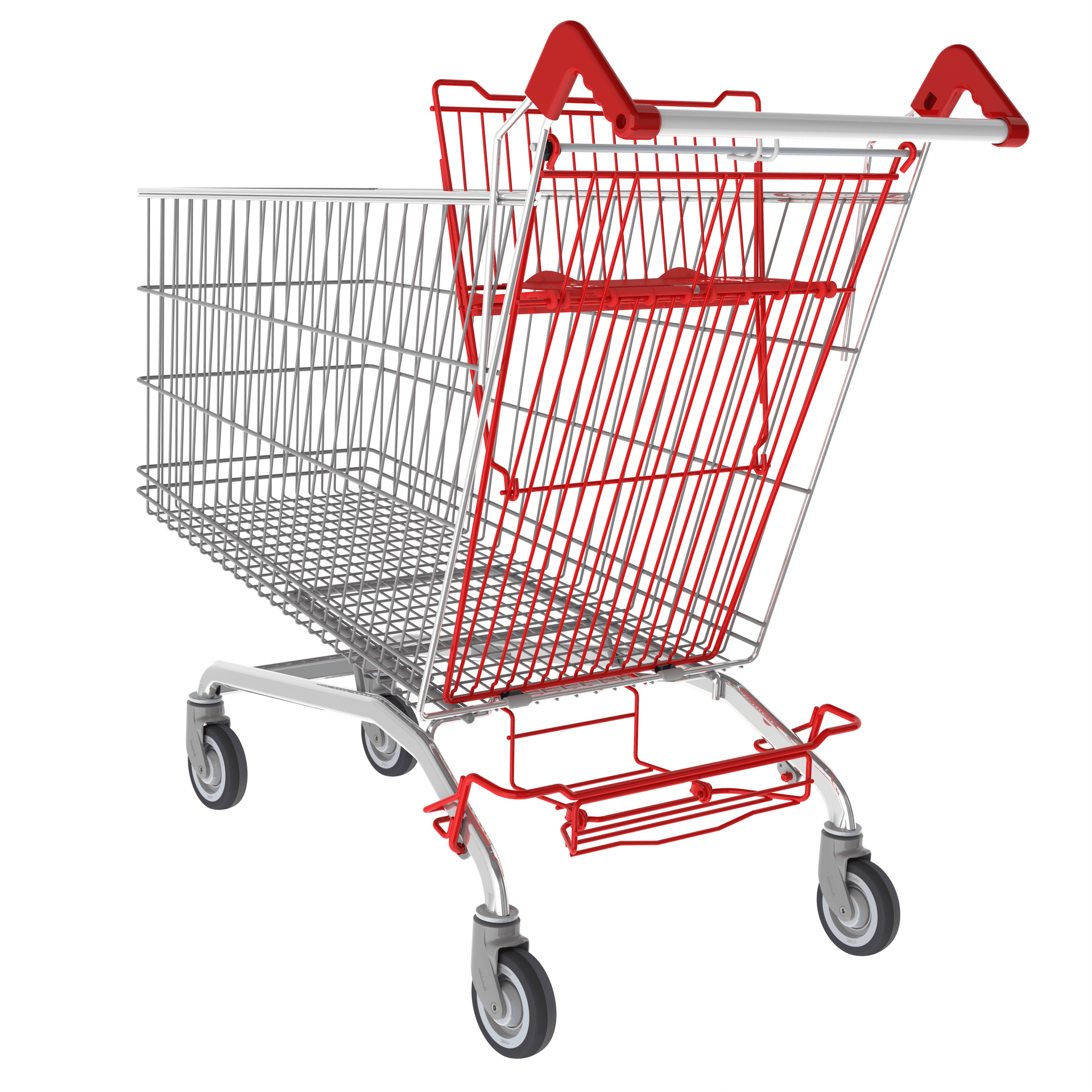
Photo: Roger McLassus. via Wikimedia Commons (CC BY-SA 3.0).

Related stories
Why a Spending Surge Doesn’t Mean Households Feel Rich
A strong month for consumer spending can sound like a victory lap, but many Americans know the difference between buying more and feeling financially comfortable. The real story is how households keep spending while staying cautious everywhere else.

What Empty Parking Lots Can Tell You About Shifting Spending Habits
Consumer confidence doesn’t always show up in headlines first. Sometimes the clearest clues are quieter: lighter shopping traffic, more selective purchases, and households stretching the life of what they already own.
Why Shoppers Keep Opening Their Wallets Even When Prices Still Sting
Americans are still spending, but that doesn’t mean household budgets feel comfortable. The real story is how people are getting more selective, stretching timing, and redefining what counts as a worthwhile purchase.