What Store Sales Really Say About Household Mood
Retail updates are less about Wall Street trivia and more about how families are coping with higher everyday costs. Watching where shoppers pull back—or keep spending—can be a practical way to read the economy from the checkout line.

Big retail sales reports can sound abstract, but they’re really a snapshot of household confidence. When people keep spending on essentials while hesitating on bigger discretionary buys, it usually reflects a simple reality: budgets are being managed more carefully, not abandoned altogether. For regular shoppers, that matters because it helps explain why some stores stay promotional while others hold the line on prices.
The useful way to read these reports is by thinking aisle by aisle, not market by market. If demand looks softer in categories like home goods, apparel, or electronics, shoppers may see more markdowns and stronger seasonal promotions there. If spending stays firm in necessities, don’t expect dramatic relief in the parts of the budget people can’t easily skip.
That’s why retail data can be a practical consumer tool, not just business news. It offers clues about where stores may need to work harder for your dollars and where they don’t. In a year when many households are still trying to stretch paychecks, the smartest response is to stay flexible: buy needs on schedule, but let discounts dictate the timing of wants.
The broader mood behind store sales is less about whether Americans have stopped shopping and more about how selective they’ve become. That selectiveness is its own kind of power. If consumers keep rewarding value and ignoring fluff, retailers will eventually have to meet them there with better pricing, sharper bundles, or more meaningful deals.
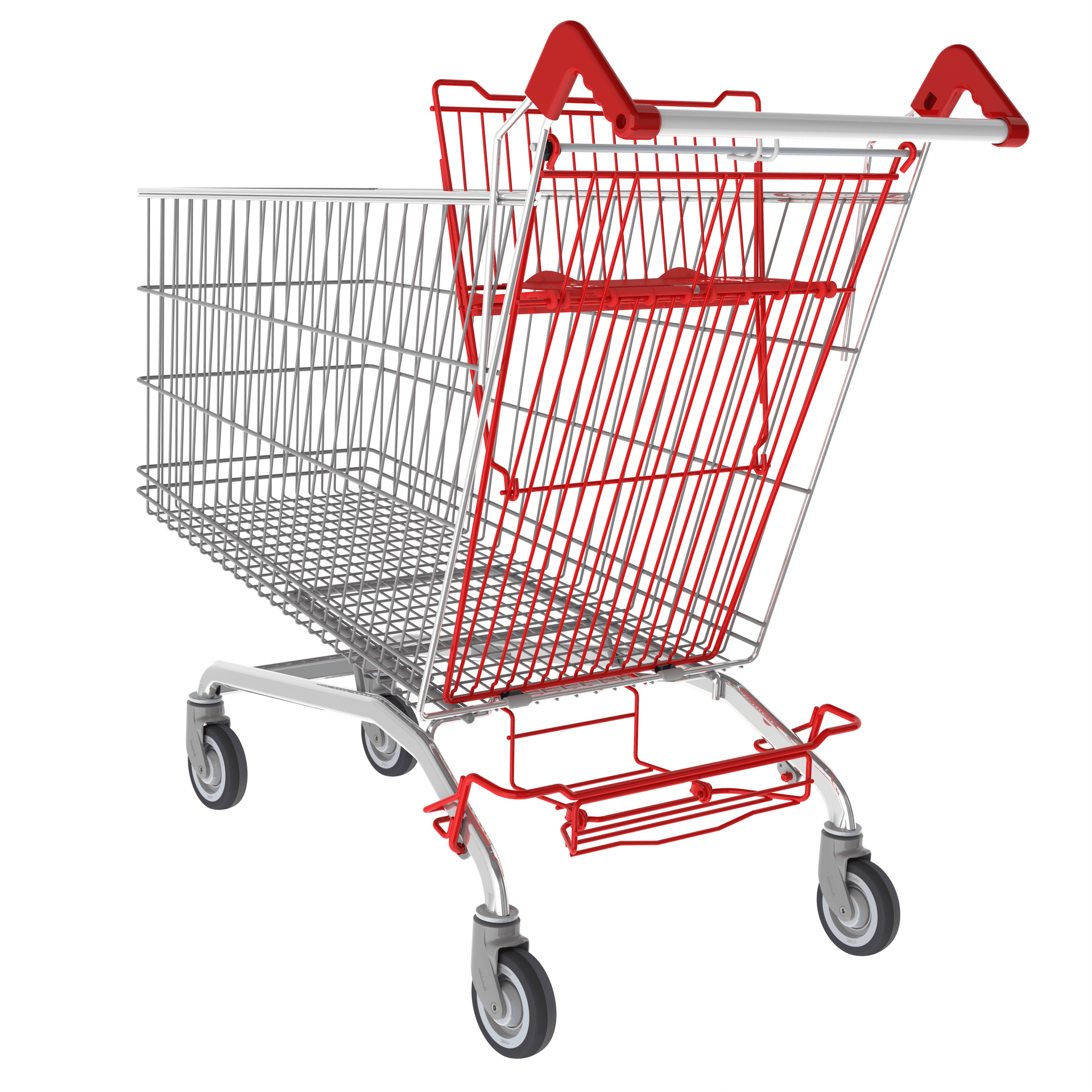
Photo: Roger McLassus. via Wikimedia Commons (CC BY-SA 3.0).

Related stories
Why a Spending Surge Doesn’t Mean Households Feel Rich
A strong month for consumer spending can sound like a victory lap, but many Americans know the difference between buying more and feeling financially comfortable. The real story is how households keep spending while staying cautious everywhere else.

What Empty Parking Lots Can Tell You About Shifting Spending Habits
Consumer confidence doesn’t always show up in headlines first. Sometimes the clearest clues are quieter: lighter shopping traffic, more selective purchases, and households stretching the life of what they already own.
Why Shoppers Keep Opening Their Wallets Even When Prices Still Sting
Americans are still spending, but that doesn’t mean household budgets feel comfortable. The real story is how people are getting more selective, stretching timing, and redefining what counts as a worthwhile purchase.