What Store Sales Really Tell Shoppers Right Now
Big retail snapshots are useful, but the most practical takeaway for shoppers is simpler: watch where stores are discounting, where they are holding firm, and how your own routine is changing. A sales report can be less about the economy in the abstract and more about where everyday spending is getting easier or harder.

Monthly retail data tends to get discussed like a scoreboard, but for most households it works better as a shopping map. When store sales shift, retailers respond in familiar ways: some categories get more promotions, some get fewer markdowns, and some quietly shrink packages or pull back on inventory. The useful question is not whether the number sounds good or bad on cable news, but where you are likely to feel it first in your own cart.
paragraphs like this report also matter because they show how uneven consumer behavior can be. Americans may cut back on discretionary browsing while still spending steadily on routine needs, or they may delay bigger purchases and wait for financing offers, holiday events, or clearance cycles. That means shoppers who stay flexible often do better than shoppers who buy on habit. If a purchase can wait, timing starts to matter almost as much as brand choice.
For readers trying to stretch a budget without turning life into a spreadsheet, this is a reminder to pay attention to category trends rather than headlines alone. If a part of retail looks soft, stores in that lane usually have to work harder to earn attention, and that can create real deals. If a category stays stubbornly strong, the better strategy may be to buy only when needed, compare across formats, or switch to a lower-stakes substitute instead of waiting around for a dramatic sale that never comes.
The bigger cultural shift is that shopping has become less automatic. More people are toggling between warehouse clubs, discount chains, resale apps, direct-to-consumer brands, and plain old waiting. Retail reports can sound abstract, but they often confirm what shoppers already sense: people are still spending, just more selectively. In that kind of market, the smartest move is not chasing every promotion. It is knowing which purchases deserve patience and which ones are quietly getting more expensive the longer you wait.
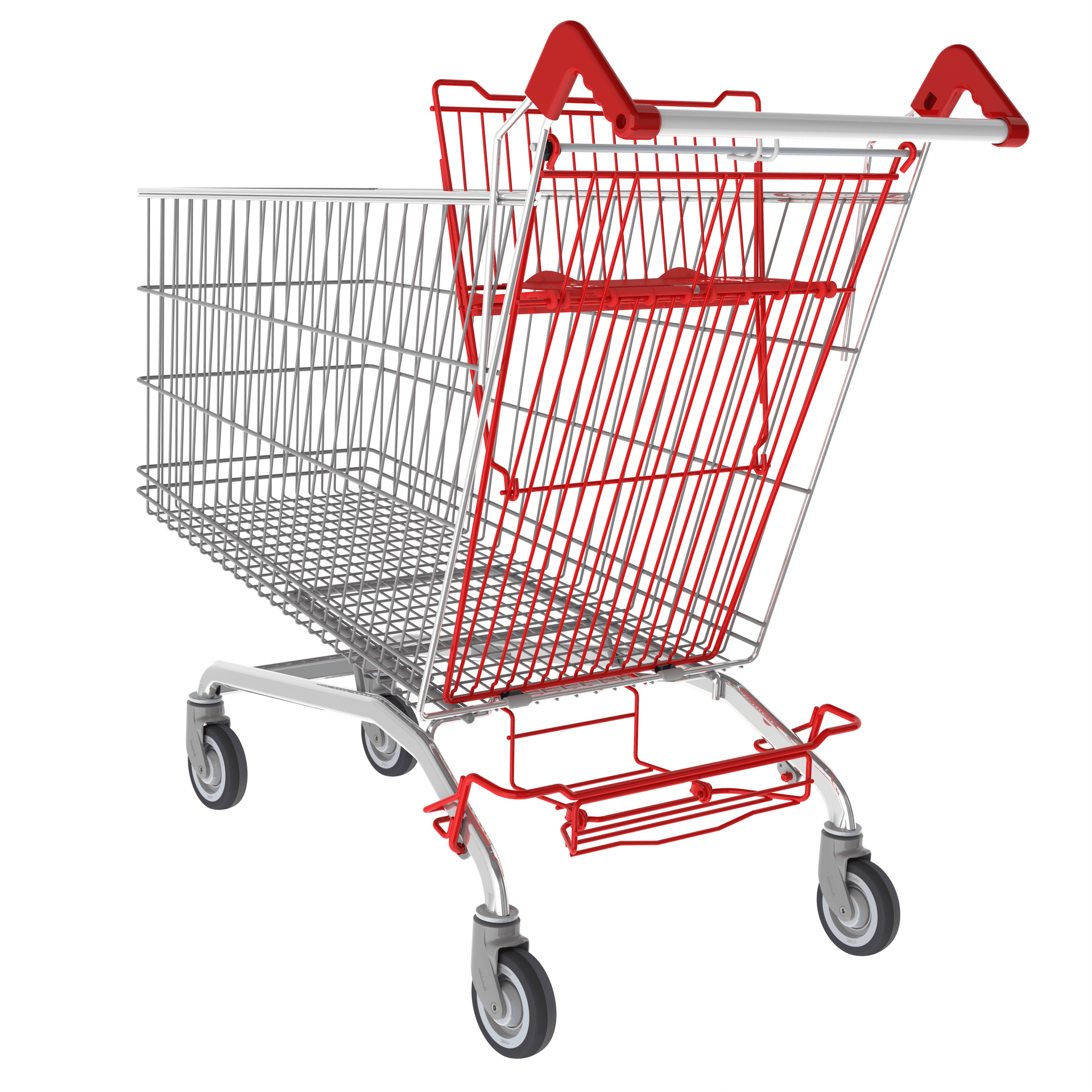
Photo: Roger McLassus. via Wikimedia Commons (CC BY-SA 3.0).

Related stories
Why a Spending Surge Doesn’t Mean Households Feel Rich
A strong month for consumer spending can sound like a victory lap, but many Americans know the difference between buying more and feeling financially comfortable. The real story is how households keep spending while staying cautious everywhere else.

What Empty Parking Lots Can Tell You About Shifting Spending Habits
Consumer confidence doesn’t always show up in headlines first. Sometimes the clearest clues are quieter: lighter shopping traffic, more selective purchases, and households stretching the life of what they already own.
Why Shoppers Keep Opening Their Wallets Even When Prices Still Sting
Americans are still spending, but that doesn’t mean household budgets feel comfortable. The real story is how people are getting more selective, stretching timing, and redefining what counts as a worthwhile purchase.