What Store Sales Really Tell Shoppers Right Now
Retail sales updates are less about Wall Street and more about how Americans are adapting in real time. For shoppers, the useful takeaway is where spending is holding up, where people are pulling back, and how to plan purchases with a little more patience.

Retail sales reports can sound like dry business news, but they’re really a snapshot of household mood. When spending stays active in some categories and softens in others, it usually reflects a simple reality: people are still buying what they need, but they’re thinking harder about timing, quantity, and trade-offs.
For everyday shoppers, that matters because retailers react fast. If demand cools in discretionary categories like home goods, apparel, or electronics, stores often get more aggressive with promotions to keep inventory moving. If spending stays firm in essentials, consumers may see fewer generous deals there and have to rely more on store brands, loyalty offers, and comparison shopping.
The practical lesson is not to treat every purchase the same. Urgent needs are urgent, but flexible buys are where patience can pay off. When stores are trying to stimulate demand, the best bargains often come from waiting a week, checking competing chains, or being open to last season’s version instead of the newest release.
This is also a good reminder that a strong-looking retail month does not always mean people feel financially relaxed. Sometimes it means they bought earlier, consolidated trips, or shifted spending toward categories they can’t avoid. Smart shoppers should read the moment less as a cue to spend freely and more as a reason to stay deliberate while retailers compete for attention.
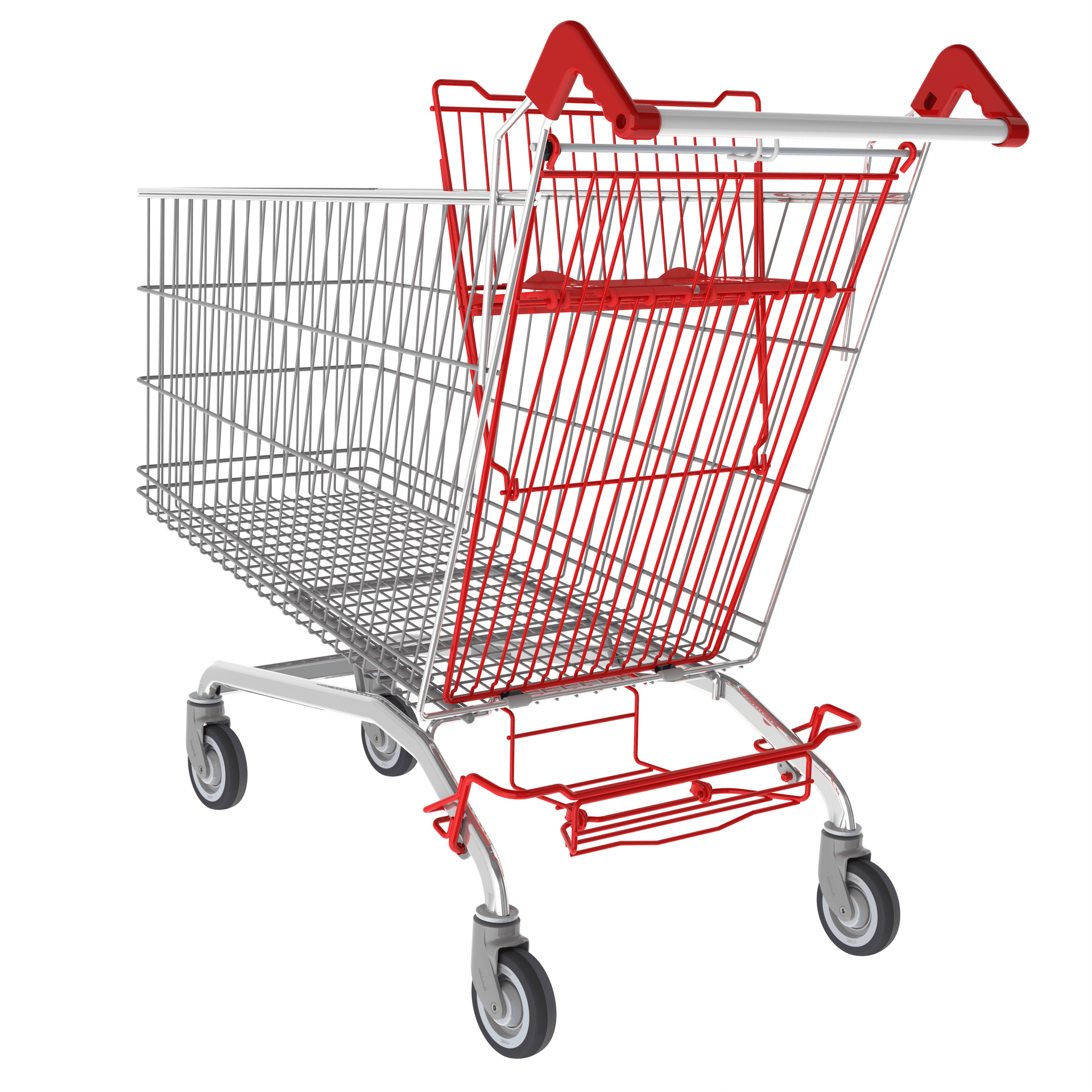
Photo: Roger McLassus. via Wikimedia Commons (CC BY-SA 3.0).

Related stories
Why a Spending Surge Doesn’t Mean Households Feel Rich
A strong month for consumer spending can sound like a victory lap, but many Americans know the difference between buying more and feeling financially comfortable. The real story is how households keep spending while staying cautious everywhere else.

What Empty Parking Lots Can Tell You About Shifting Spending Habits
Consumer confidence doesn’t always show up in headlines first. Sometimes the clearest clues are quieter: lighter shopping traffic, more selective purchases, and households stretching the life of what they already own.
Why Shoppers Keep Opening Their Wallets Even When Prices Still Sting
Americans are still spending, but that doesn’t mean household budgets feel comfortable. The real story is how people are getting more selective, stretching timing, and redefining what counts as a worthwhile purchase.