When Campus Tech Support Shrinks, Students End Up Paying in Time
Staff cuts at a tech-focused campus can ripple far beyond payroll, especially when students rely on labs, help desks, and academic systems to start the semester smoothly. For families already watching every dollar, lost support often shows up as delays, workarounds, and extra out-of-pocket costs.
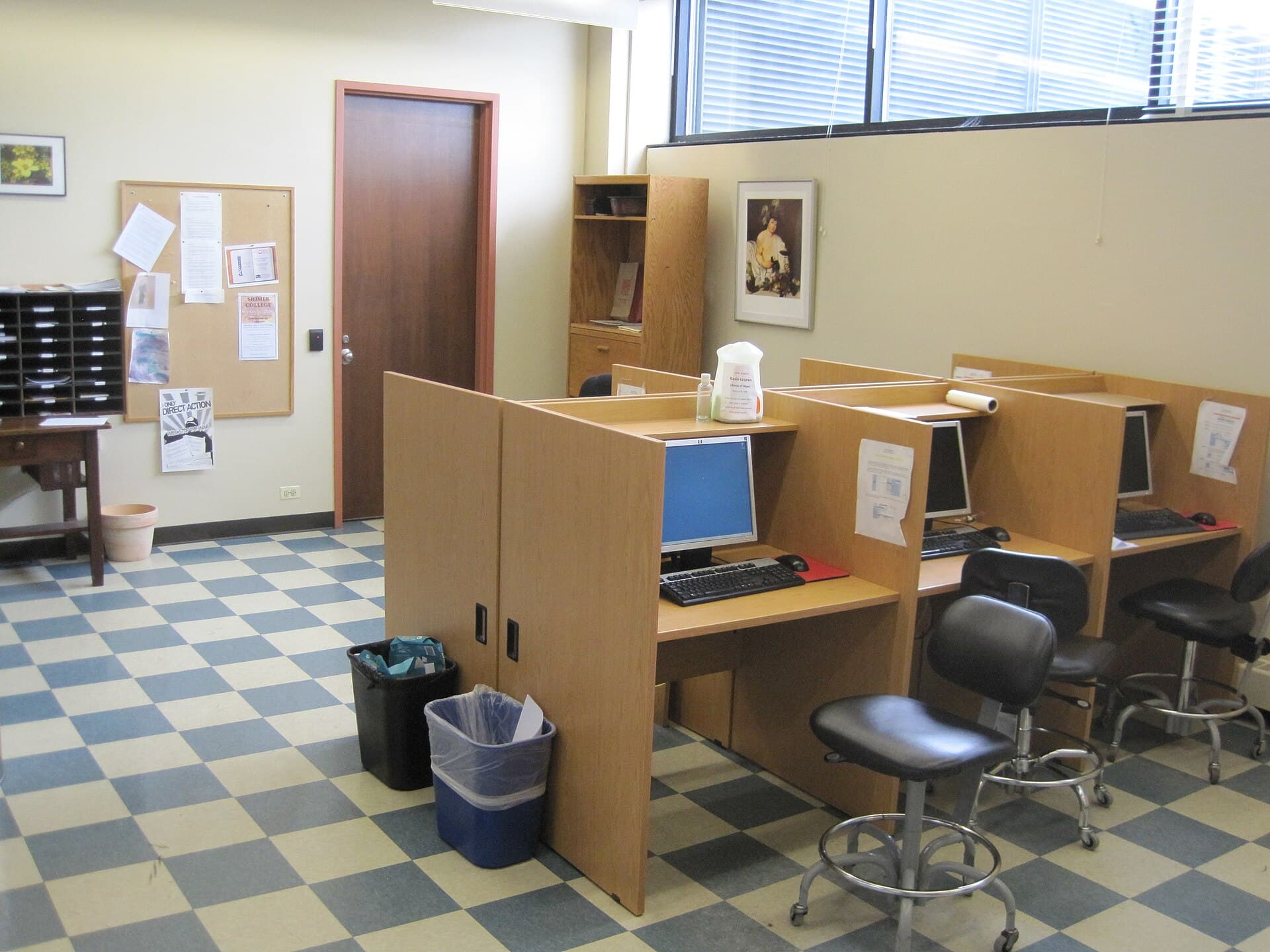
At a technology-focused school, staffing changes are never just an internal budget story. Students feel it first in the ordinary places that keep college working: account access, course registration, lab availability, device support, and the people who know how to fix a problem before it turns into a missed assignment. When those systems get thinner right before fall, the real cost isn't abstract. It lands in wasted hours and added stress.
paragraphs like this matter because higher education already asks families to absorb enough hidden expenses. If a student can't get timely help with software, network access, or classroom tech, the backup plan is often personal spending: replacing gear sooner, paying for outside printing, finding private workspace, or buying services the school used to make easier. Even when tuition doesn't change, the experience can get more expensive in practical ways.
This is also a reminder that 'tech' at a college is not just about innovation branding. It is maintenance, troubleshooting, and keeping basic infrastructure dependable during the busiest weeks of the year. Fancy announcements mean less if students are stuck refreshing portals, waiting on email replies, or scrambling for functioning equipment once classes begin.
For students heading into the semester, the smart move is to treat campus systems like any other essential service and build a small backup plan now. Download needed files early, confirm logins before classes start, map out off-campus study options, and avoid waiting until the first deadline to learn where support has gaps. It shouldn't be on students to engineer around institutional instability, but practical preparation can save money, time, and a lot of frustration.
Photo: User:Visviva via Wikimedia Commons (Public domain).

Related stories

The Smartest Way to Shop New Tech Right Now
The newest gadget drop is always tempting, but the best buy is often the device that solves one daily annoyance without adding three new ones. For US shoppers, this is a good moment to focus on comfort, compatibility, and how long a product will still feel useful after the hype fades.

Why Chip Revenue Swings Matter to Everyday Tech Shoppers
Wall Street watches chip-company revenue for clues about the future, but regular consumers can read the same signals in a more practical way. When memory and mobile-chip demand shifts, it often shows up later in laptop deals, phone upgrades, and the timing of big tech purchases.

Why AI Money News Matters to Regular Tech Shoppers
Big funding rounds and IPO chatter can feel distant, but they often shape the apps, devices, and subscriptions Americans use every day. The real question is whether the next wave of AI competition brings better tools or just higher monthly bills.