When Campus Tech Tightens, Students End Up Doing More With Less
Staff cuts at tech-focused schools rarely stay behind the scenes. For students and families, the real issue is how fewer people can affect advising, labs, IT help, and the overall value of a very expensive degree.
Layoffs at a technology-focused university may sound like an internal budgeting story, but for students and families, they usually show up in ordinary daily friction. The first signs are rarely dramatic. It’s a slower response from financial aid, fewer open lab hours, longer waits for tech support, and professors stretched across more work than their titles suggest.
paragraphs like these matter because higher education now sells more than classes. Schools market access: to equipment, mentorship, research time, career networks, and the kind of hands-on support that makes a demanding major manageable. When staffing shrinks, that promise can get thinner even if the tuition bill does not. Families comparing colleges should pay closer attention to how a campus delivers student support, not just how glossy its innovation branding looks.
For current students, this is the moment to become a little more practical and a little less sentimental about campus systems. Save copies of degree requirements, track paperwork carefully, back up advising conversations in email, and use office hours early before schedules get crowded. If a school is in transition, the students who stay organized usually protect themselves best from administrative chaos.
There’s also a broader consumer lesson here. In tech education, shiny facilities and ambitious announcements are easy to advertise, but stable staffing is what keeps the place functional. For anyone paying for a college experience, reliability is part of the product. If a campus can’t consistently provide that, families are right to ask harder questions about what exactly they’re buying.
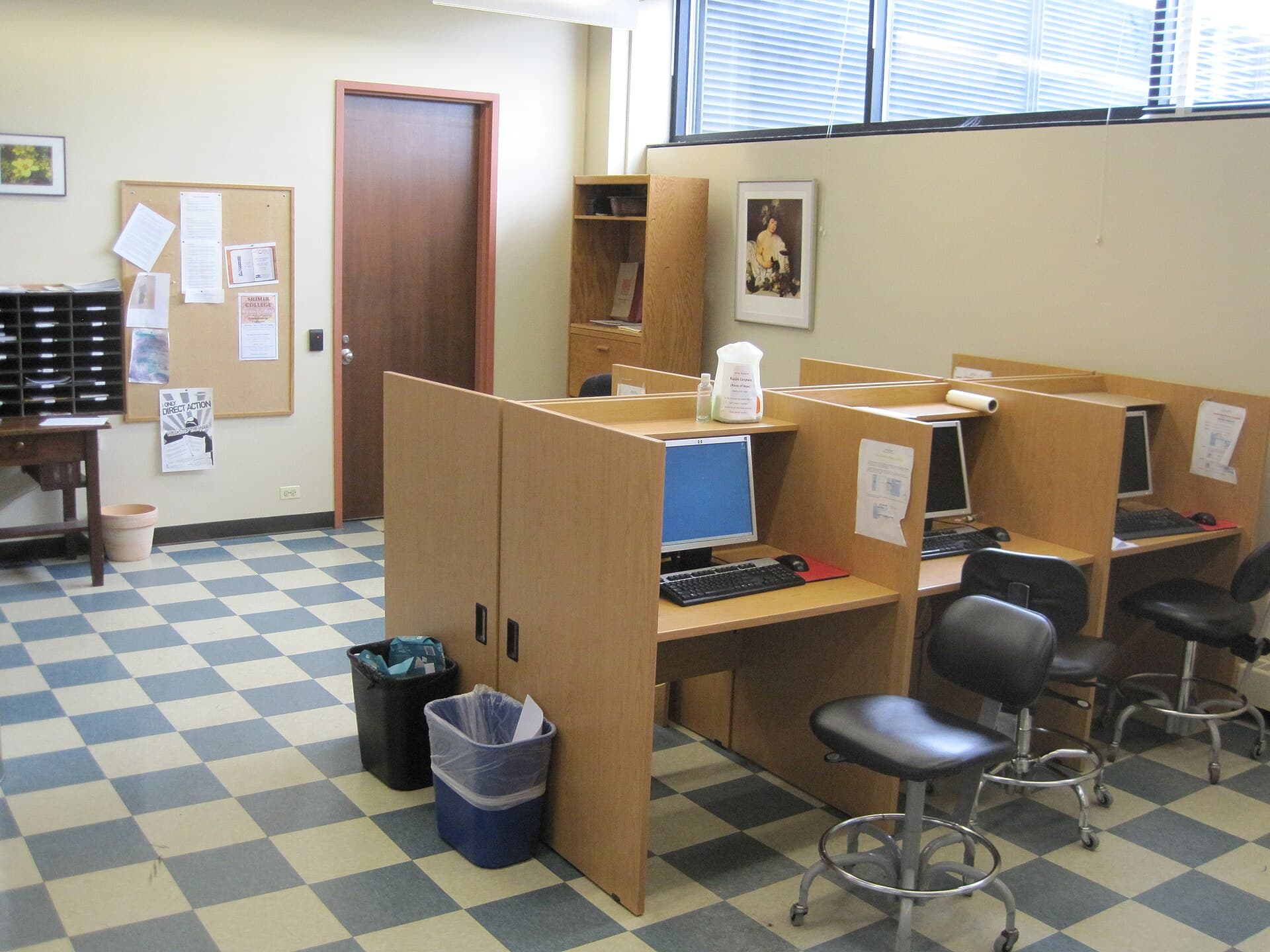
Photo: User:Visviva via Wikimedia Commons (Public domain).

Related stories

The Smartest Way to Shop New Tech Right Now
The newest gadget drop is always tempting, but the best buy is often the device that solves one daily annoyance without adding three new ones. For US shoppers, this is a good moment to focus on comfort, compatibility, and how long a product will still feel useful after the hype fades.

Why Chip Revenue Swings Matter to Everyday Tech Shoppers
Wall Street watches chip-company revenue for clues about the future, but regular consumers can read the same signals in a more practical way. When memory and mobile-chip demand shifts, it often shows up later in laptop deals, phone upgrades, and the timing of big tech purchases.

Why AI Money News Matters to Regular Tech Shoppers
Big funding rounds and IPO chatter can feel distant, but they often shape the apps, devices, and subscriptions Americans use every day. The real question is whether the next wave of AI competition brings better tools or just higher monthly bills.