When Every Errand Feels More Expensive, Households Get Defensive
When routine costs keep rising faster than paychecks feel, shoppers don’t just buy less—they buy differently. That shift can ripple from grocery aisles to weekend plans and big-ticket purchases.
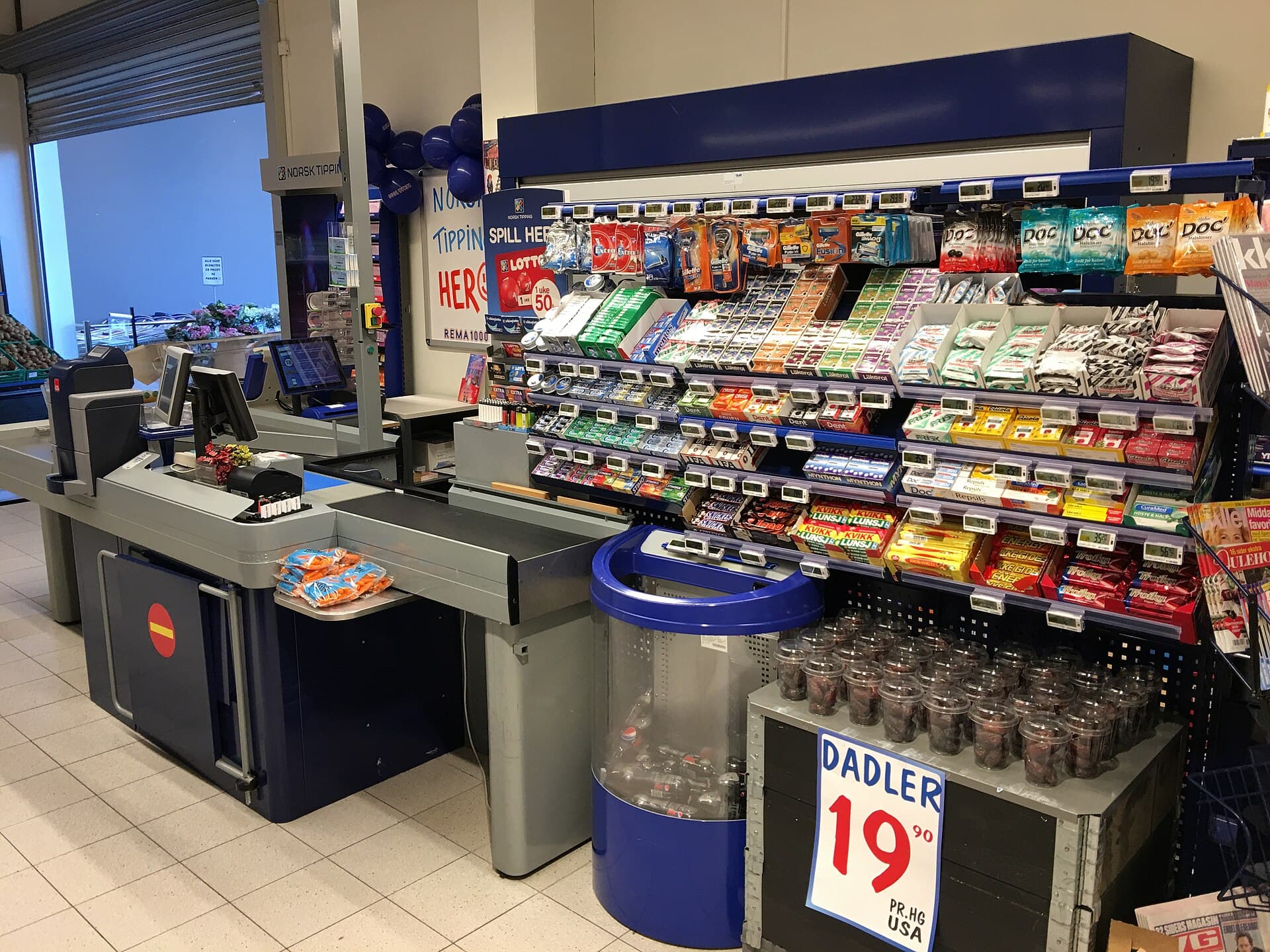
Most people do not need an economist to tell them when their paycheck is losing ground. They feel it at the grocery store, at the gas pump, and when a routine household bill lands a little higher than expected. What changes first is not always total spending, but confidence: people start hesitating, comparing, delaying, and second-guessing purchases that used to feel ordinary.
That defensive mood matters because consumer spending runs on habit as much as income. If families begin treating restaurant meals, clothing refreshes, home projects, and short trips as optional again, businesses feel it quickly. The danger is not just that people buy less, but that they trade down, wait for discounts, and stick to essentials longer, which puts pressure on brands that depend on impulse or convenience spending.
For households, the practical response is rarely dramatic. It looks more like fewer auto-renewing subscriptions, more store brands, a longer gap between upgrades, and a harder look at monthly fixed costs. In that environment, the smartest money move is often boring: protect cash flow before chasing deals, because a discount is not helpful if it nudges you into spending on something you were already trying to postpone.
For retailers and service businesses, this is a reminder that value has to be obvious. Shoppers are still willing to spend when the purchase feels durable, useful, or genuinely worth the tradeoff. But vague promises of premium quality are harder to sell when everyday basics already feel premium-priced. In a squeezed economy, clarity wins: better pricing, better timing, and fewer excuses for people to walk away.
Photo: Wolfmann via Wikimedia Commons (CC BY-SA 4.0).

Related stories
Why a Spending Surge Doesn’t Mean Households Feel Rich
A strong month for consumer spending can sound like a victory lap, but many Americans know the difference between buying more and feeling financially comfortable. The real story is how households keep spending while staying cautious everywhere else.

What Empty Parking Lots Can Tell You About Shifting Spending Habits
Consumer confidence doesn’t always show up in headlines first. Sometimes the clearest clues are quieter: lighter shopping traffic, more selective purchases, and households stretching the life of what they already own.
Why Shoppers Keep Opening Their Wallets Even When Prices Still Sting
Americans are still spending, but that doesn’t mean household budgets feel comfortable. The real story is how people are getting more selective, stretching timing, and redefining what counts as a worthwhile purchase.