When Growth Cools, Everyday Buyers Start Reading the Fine Print
A slower economy doesn’t always arrive with dramatic headlines in daily life. More often, it shows up in how people compare prices, delay upgrades, and rethink what counts as worth it.
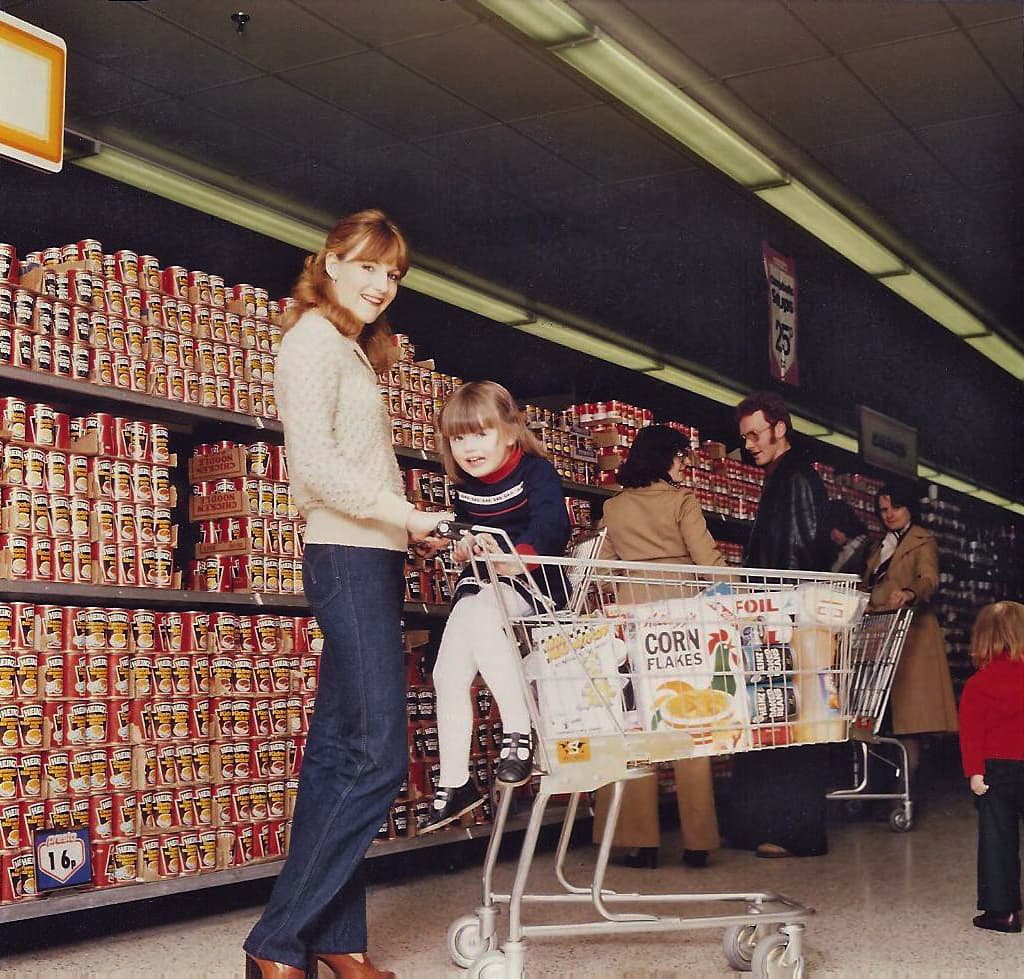
When the economy loses a little momentum, most households don’t experience it as an abstract number. They feel it in the pause before checking out, in the decision to keep the old laptop another year, or in the choice to cook at home one more night each week. Slower growth tends to make people less impressed by hype and more interested in whether something is genuinely useful.
That shift can be healthy. A cooler economy often rewards practical spending habits that were easy to ignore when money felt looser. Subscription cleanups, comparison shopping, and waiting 48 hours before a big purchase stop sounding restrictive and start looking smart. For shoppers, this is usually the moment when brand loyalty weakens and store brands, refurbished gear, and boringly reliable basics get another look.
Businesses feel this change fast, especially the ones that depend on impulse spending. Consumers become less willing to pay extra for convenience theater, vague premium positioning, or features they’ll never use. Companies that make life simpler, keep prices understandable, and offer products that last tend to earn more trust when buyers get cautious. In that sense, a slower period can act like a truth serum for the market.
For regular people, the best response is not panic but precision. This is a good time to separate recurring wants from recurring bills, to question automatic upgrades, and to stock your home with things you actually reach for instead of things that only looked appealing on a screen. When growth cools, value stops being a marketing word and becomes a daily habit.
Photo: Debbie Mc via Wikimedia Commons (CC BY 2.0).

Related stories
Why a Spending Surge Doesn’t Mean Households Feel Rich
A strong month for consumer spending can sound like a victory lap, but many Americans know the difference between buying more and feeling financially comfortable. The real story is how households keep spending while staying cautious everywhere else.

What Empty Parking Lots Can Tell You About Shifting Spending Habits
Consumer confidence doesn’t always show up in headlines first. Sometimes the clearest clues are quieter: lighter shopping traffic, more selective purchases, and households stretching the life of what they already own.
Why Shoppers Keep Opening Their Wallets Even When Prices Still Sting
Americans are still spending, but that doesn’t mean household budgets feel comfortable. The real story is how people are getting more selective, stretching timing, and redefining what counts as a worthwhile purchase.