When One Car Brand Gets Extra Generous, Shoppers Should Read the Fine Print
Big incentives can make a new car look like an obvious deal, but the smartest savings come from comparing the full cost of ownership, not just the headline discount. For shoppers, a surge in promos is less a green light than a cue to negotiate carefully.
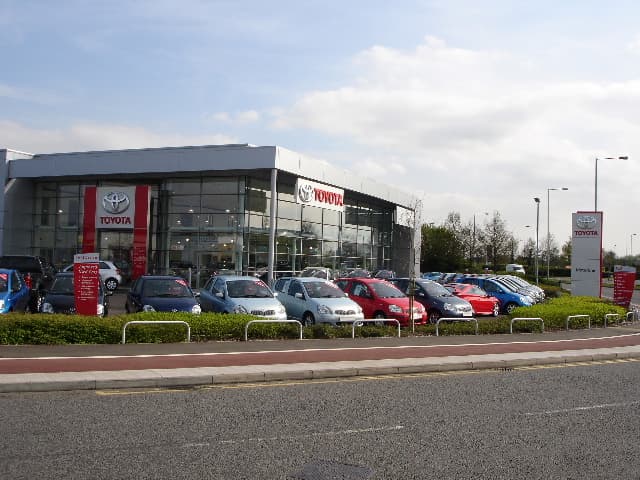
When a car brand starts leaning harder on incentives, shoppers naturally see opportunity. And sometimes that instinct is right: a bigger rebate, lower financing offer, or sweeter lease can open the door to a vehicle that felt just out of reach a few months ago. But generous promotions usually tell two stories at once. They can signal value for buyers, and they can also signal that a brand needs extra help moving metal.
paragraphs like this matter because a discount is only one part of the transaction. A model with a flashy incentive can still be a weak deal if insurance runs high, resale looks shaky, or the financing terms quietly erase the upfront savings. For everyday buyers, the practical move is to treat incentives as a starting point for comparison, not the finish line. The monthly payment may look better, but the total cost over several years is what really decides whether you won.
In this kind of market, patient shoppers have more leverage than they think. If a dealer knows the brand is pushing support into the market, that creates room to ask tougher questions about out-the-door pricing, add-ons, trade-in values, and whether the advertised offer is actually the best fit for your driving habits. A commuter putting on a lot of miles may do better with a straightforward purchase than a tempting lease, while someone who changes cars often might reach the opposite conclusion.
The broader lesson is simple: not every discount is a bargain, but discount-heavy moments can still be useful if you stay disciplined. For US households watching every major expense, the smartest move is to shop the car the same way you’d shop appliances or airfare: compare broadly, ignore the drama of the sticker, and focus on what you’ll really pay to own it. Incentives are a tool, not a verdict. Buyers who remember that usually come out ahead.
Photo: D-G-Seamon via Wikimedia Commons (CC BY-SA 2.0).

Related stories

Why a Spending Surge Doesn’t Mean Households Feel Rich
A strong month for consumer spending can sound like a victory lap, but many Americans know the difference between buying more and feeling financially comfortable. The real story is how households keep spending while staying cautious everywhere else.

What Empty Parking Lots Can Tell You About Shifting Spending Habits
Consumer confidence doesn’t always show up in headlines first. Sometimes the clearest clues are quieter: lighter shopping traffic, more selective purchases, and households stretching the life of what they already own.

Why Shoppers Keep Opening Their Wallets Even When Prices Still Sting
Americans are still spending, but that doesn’t mean household budgets feel comfortable. The real story is how people are getting more selective, stretching timing, and redefining what counts as a worthwhile purchase.