When Prices Ease, It’s a Good Time to Recheck Your Everyday Defaults
A cooler inflation reading doesn’t mean shopping suddenly gets cheap, but it does create a smart moment to revisit the habits that quietly shape a household budget. Small resets on subscriptions, staples, and timing can matter more than chasing dramatic savings.

A slightly better inflation report is not the same thing as relief at the checkout line, but it does change the mood of everyday spending. When price increases slow down, households get a little more room to make decisions instead of just reacting. That’s useful, because the most expensive habits are often the ones we stop noticing: the auto-renewing subscription, the default grocery order, the convenience purchase that becomes routine.
If consumers are still spending, that doesn’t automatically mean people feel flush. It can also mean they’re replacing worn-out basics, booking delayed plans, or simply trying to stay on top of normal life at today’s prices. For regular shoppers, this is a practical moment to compare the “lazy default” against the intentional choice. Try the store brand again, revisit the weekly takeout pattern, and check whether your household still buys the same mix of wants and needs it did a year ago.
This kind of environment tends to reward people who are flexible rather than extreme. You don’t need a total no-spend reset to benefit from cooling prices. You need better timing. If a retailer starts offering more promotions, use them to stock up on non-urgent essentials instead of treating every sale like permission to buy more. If travel or dining feels a bit more manageable, set a cap before the spending starts so a small sense of relief doesn’t turn into a bigger credit card bill.
The bigger takeaway is that easing inflation is a chance to rebuild margin, not to pretend prices are back where they used to be. For many Americans, the smartest move right now is to keep living a little more carefully than the headlines might suggest. The goal isn’t to fear every purchase. It’s to make sure improved conditions show up somewhere tangible: a steadier grocery total, fewer surprise charges, and a budget that feels less like damage control.
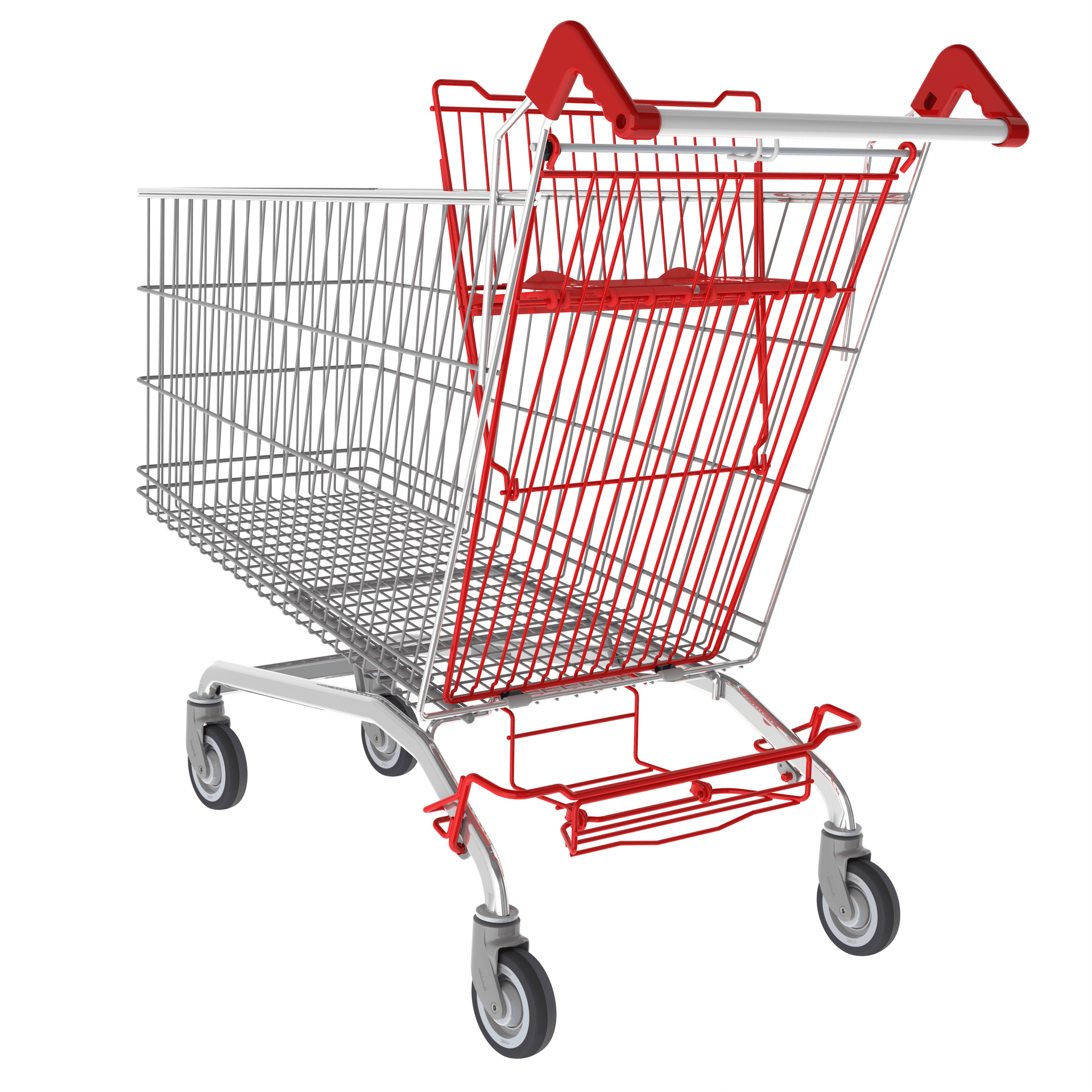
Photo: Guanaco via Wikimedia Commons (CC0).

Related stories
Why a Spending Surge Doesn’t Mean Households Feel Rich
A strong month for consumer spending can sound like a victory lap, but many Americans know the difference between buying more and feeling financially comfortable. The real story is how households keep spending while staying cautious everywhere else.

What Empty Parking Lots Can Tell You About Shifting Spending Habits
Consumer confidence doesn’t always show up in headlines first. Sometimes the clearest clues are quieter: lighter shopping traffic, more selective purchases, and households stretching the life of what they already own.
Why Shoppers Keep Opening Their Wallets Even When Prices Still Sting
Americans are still spending, but that doesn’t mean household budgets feel comfortable. The real story is how people are getting more selective, stretching timing, and redefining what counts as a worthwhile purchase.