When Shoppers Get Choosier, the Whole Economy Feels It
A softer consumer mood doesn’t always look dramatic at first. More often, it shows up as delayed purchases, smaller carts, and a growing focus on essentials over impulse buys.
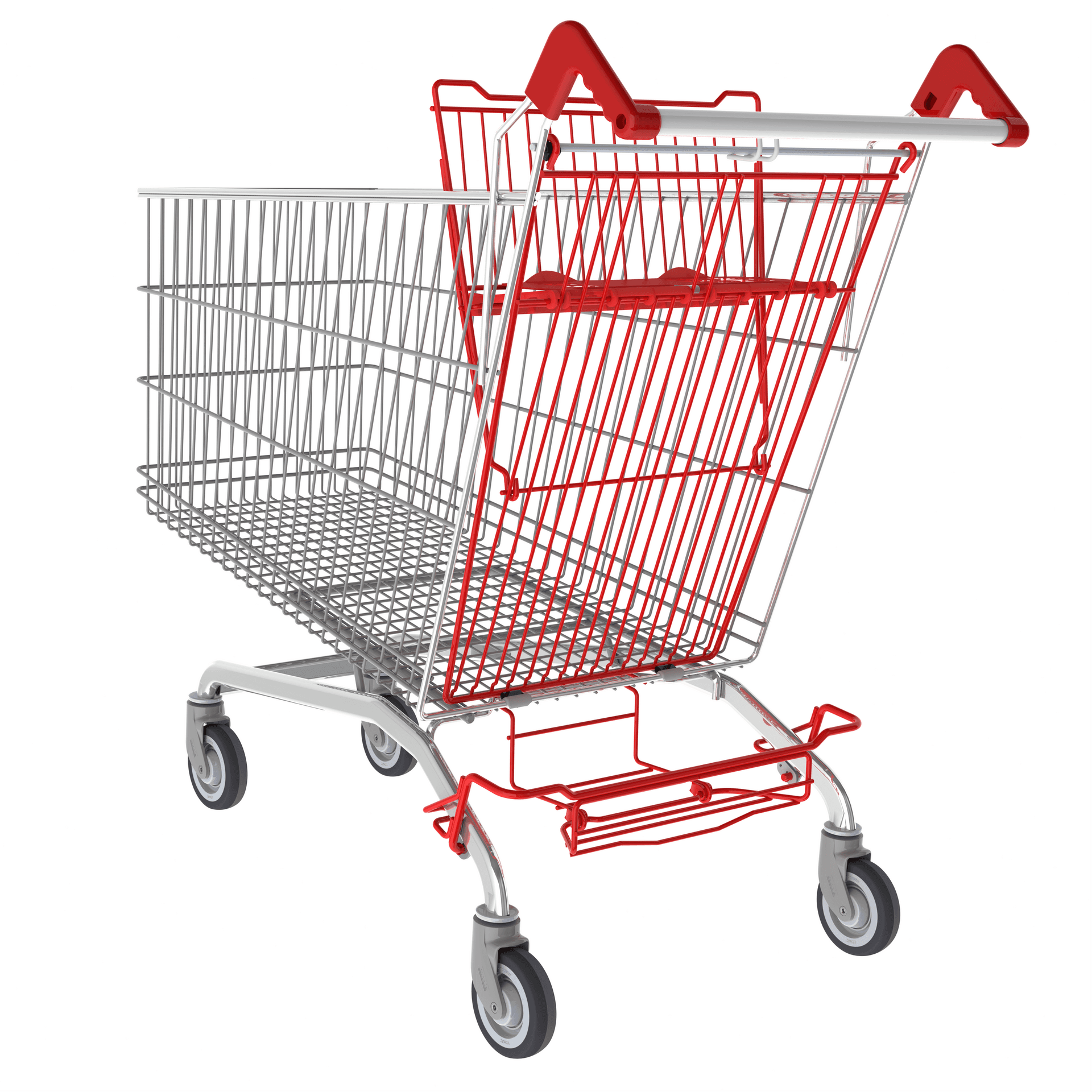
Consumer slowdowns rarely arrive with one big dramatic moment. They usually show up in ordinary choices: putting off a phone upgrade, skipping the extra item at checkout, or waiting for a sale before replacing something that still mostly works. For households, that can look like common sense. For businesses that depend on steady discretionary spending, it can be an early warning sign.
Americans are still spending, but many people seem less interested in spending casually. That distinction matters. There’s a big difference between paying for groceries, rent, and utilities and feeling relaxed enough to book a weekend trip, refresh a wardrobe, or say yes to a pricey convenience. When confidence gets shaky, the first thing to go is often the purchase that felt fun but not necessary.
For readers, this is also a useful moment to separate habits from needs. If your budget feels tighter, the smartest move is not panic-buying during every promotion but getting more deliberate about timing. Replacing items before they become urgent, comparing store brands, and keeping a short list of true priorities can stretch a paycheck without making life feel joyless.
For retailers and brands, the message is pretty simple: people still want value, but they want it to be obvious. Vague promises of premium quality are less convincing when shoppers are watching every recurring charge and every receipt total. In a more cautious economy, clarity wins. If something saves time, lasts longer, or genuinely earns its place in the budget, consumers are far more likely to respond.
Photo: Caddiedrusenheim via Wikimedia Commons (CC BY-SA 4.0).

Related stories
Why a Spending Surge Doesn’t Mean Households Feel Rich
A strong month for consumer spending can sound like a victory lap, but many Americans know the difference between buying more and feeling financially comfortable. The real story is how households keep spending while staying cautious everywhere else.

What Empty Parking Lots Can Tell You About Shifting Spending Habits
Consumer confidence doesn’t always show up in headlines first. Sometimes the clearest clues are quieter: lighter shopping traffic, more selective purchases, and households stretching the life of what they already own.
Why Shoppers Keep Opening Their Wallets Even When Prices Still Sting
Americans are still spending, but that doesn’t mean household budgets feel comfortable. The real story is how people are getting more selective, stretching timing, and redefining what counts as a worthwhile purchase.