When Shoppers Get Nervous, the Cart Gets Smaller
Soft retail demand abroad is a reminder that consumer anxiety travels fast. For US households, the practical takeaway is simple: expect more caution, more deal-hunting, and fewer impulse buys.
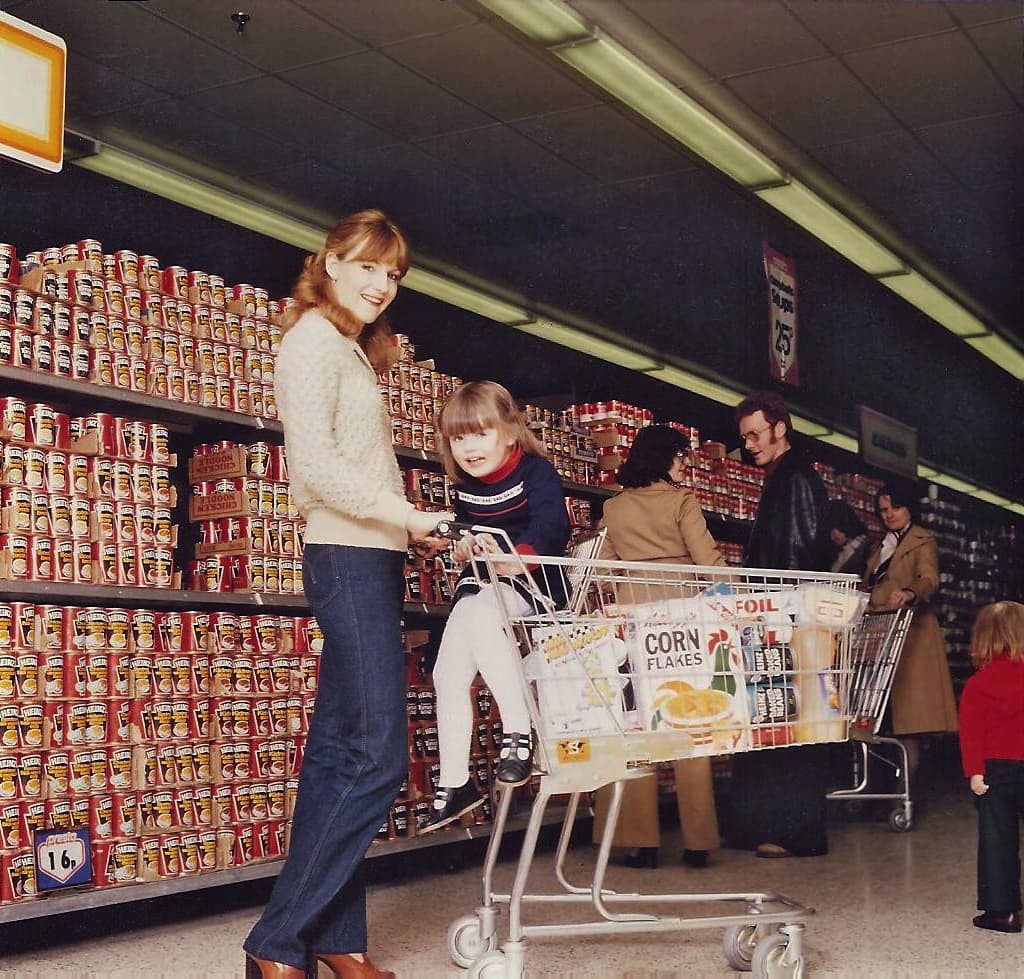
When consumers feel uneasy about the bigger picture, they usually don’t stop shopping all at once. They just get pickier. That matters for American readers because retail mood changes in Europe can echo through global brands, inventory plans, and pricing strategies that eventually show up in US stores too.
The first shift is usually behavioral, not dramatic. People still replace what they need, but they pause on the extra item, the upgraded version, or the purchase that can wait another month. That kind of caution tends to reward retailers that make value obvious, whether through simpler pricing, useful private-label options, or promotions that feel like real savings instead of marketing noise.
For shoppers, this is a good moment to be a little more deliberate without going into full austerity mode. If the economic backdrop feels shaky, the smartest move is often to separate routine spending from comfort spending. Keep buying what makes daily life work, but treat every nonessential purchase like it’s competing with your future utility bill, travel budget, or emergency cushion.
The upside to a nervous retail environment is that stores have to work harder for your money. That can mean better timing for discounts, more aggressive loyalty offers, and stronger competition on basics. The trick is not to let a sale create a need that wasn’t there before. In uncertain periods, the best deal is usually the thing you were already going to buy, just bought later and better.
Photo: Debbie Mc via Wikimedia Commons (CC BY 2.0).

Related stories
Why a Spending Surge Doesn’t Mean Households Feel Rich
A strong month for consumer spending can sound like a victory lap, but many Americans know the difference between buying more and feeling financially comfortable. The real story is how households keep spending while staying cautious everywhere else.

What Empty Parking Lots Can Tell You About Shifting Spending Habits
Consumer confidence doesn’t always show up in headlines first. Sometimes the clearest clues are quieter: lighter shopping traffic, more selective purchases, and households stretching the life of what they already own.
Why Shoppers Keep Opening Their Wallets Even When Prices Still Sting
Americans are still spending, but that doesn’t mean household budgets feel comfortable. The real story is how people are getting more selective, stretching timing, and redefining what counts as a worthwhile purchase.