When Shoppers Hit Pause, the Smart Money Moves Get Clearer
A slowdown in spending doesn’t just signal caution — it changes how households shop, compare, and delay. For consumers, this is the kind of moment that rewards patience and a sharper eye for value.

When households start pulling back, it usually shows up long before any big economic theory feels real at home. It looks like fewer impulse buys, more tab-closing before checkout, and a sudden willingness to wait a week before deciding whether something is actually necessary. That kind of pause can feel gloomy in business headlines, but for regular shoppers it can also be clarifying.
In a slower spending moment, the old retail tricks lose some power. Urgent banners, limited-time codes, and constant new arrivals matter less when people are focused on bills, savings, and stretching what they already own. That shift tends to reward practical categories: staples, replacement purchases, and items that solve a clear problem. If there’s a lesson for consumers, it’s that hesitation is not failure — it’s often good judgment.
This is also when comparison shopping becomes less of a chore and more of a financial skill. Shoppers who track prices, leave items in carts, and look at refurbished, open-box, or store-brand options usually come out ahead when demand cools. Retailers still need to move inventory, and patient buyers are often the ones who benefit when promotions get more realistic instead of more flashy.
The cultural mood around spending may be changing from treat-yourself energy to prove-it value. That doesn’t mean nobody is buying; it means purchases increasingly need a reason. For anyone trying to keep a budget without feeling deprived, that’s actually useful. A more skeptical consumer mindset can be one of the healthiest shopping habits Americans relearn.
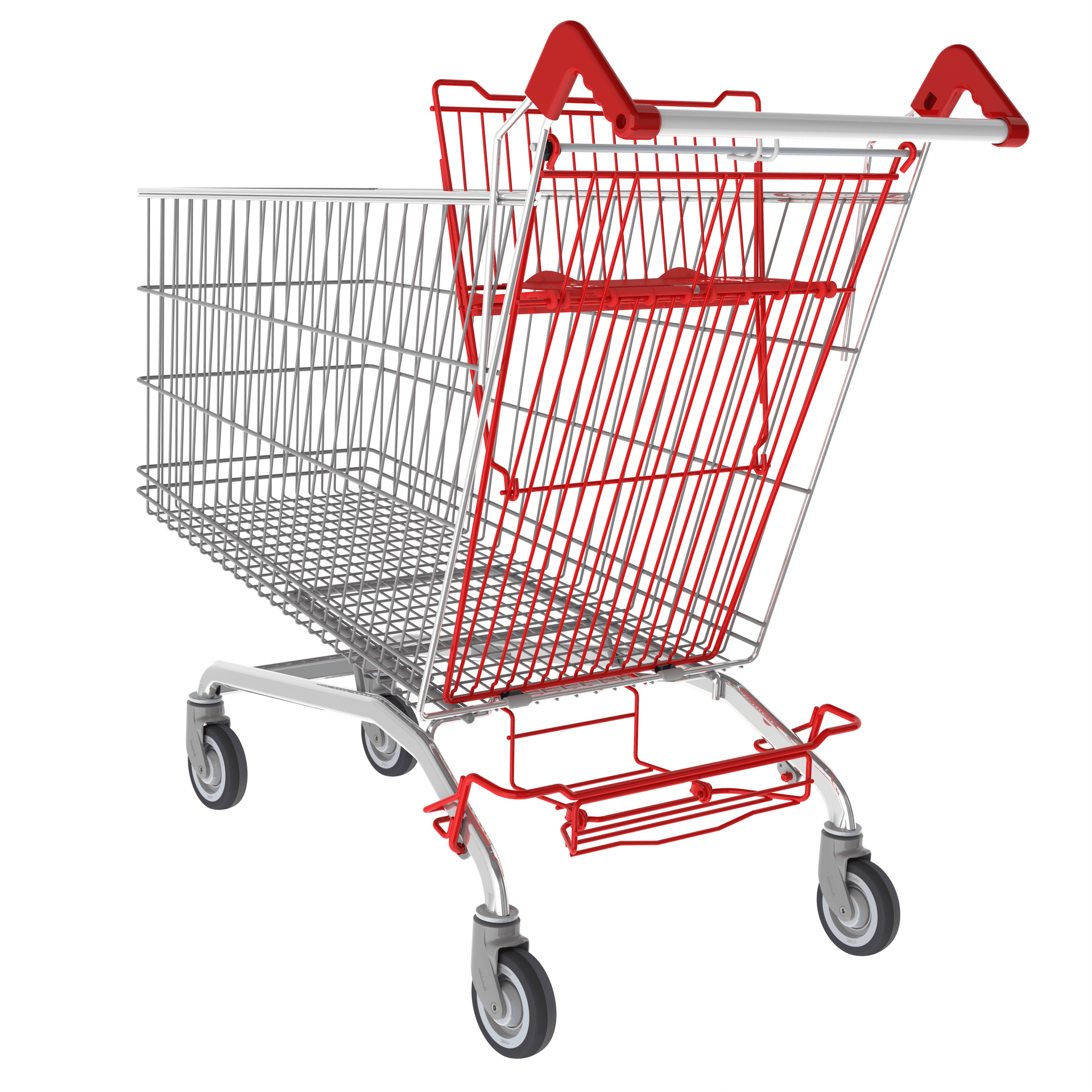
Photo: Roger McLassus. via Wikimedia Commons (CC BY-SA 3.0).

Related stories
Why a Spending Surge Doesn’t Mean Households Feel Rich
A strong month for consumer spending can sound like a victory lap, but many Americans know the difference between buying more and feeling financially comfortable. The real story is how households keep spending while staying cautious everywhere else.

What Empty Parking Lots Can Tell You About Shifting Spending Habits
Consumer confidence doesn’t always show up in headlines first. Sometimes the clearest clues are quieter: lighter shopping traffic, more selective purchases, and households stretching the life of what they already own.
Why Shoppers Keep Opening Their Wallets Even When Prices Still Sting
Americans are still spending, but that doesn’t mean household budgets feel comfortable. The real story is how people are getting more selective, stretching timing, and redefining what counts as a worthwhile purchase.