When Shoppers Pause, Smart Households Get Pickier
A softer month for retail doesn’t just say something about the economy. It also reflects how many households are learning to delay impulse buys, compare options, and spend harder on what actually matters.

A down month for retail sales can sound like a warning siren, but for a lot of Americans it looks more like restraint. Households are still buying what they need; they’re just getting less willing to toss extra money at forgettable purchases. After a long stretch of price fatigue, that kind of selectiveness feels less like fear and more like a correction.
The practical takeaway is that retailers may have to work harder for attention this fall. When shoppers hesitate, stores usually respond with more promotions, tighter pricing, and louder attempts to make everyday purchases feel urgent. That does not mean every sale is a bargain, but it does mean consumers who can wait a week or two may have better odds of finding discounts on clothing, home goods, and seasonal extras.
It’s also a reminder that the strongest spending categories in real life are often the least glamorous ones. People will keep paying for groceries, basics for kids, replacement items, and the small conveniences that make busy weeks possible. The casual splurge, though, is where many budgets are getting edited. That shift matters because it shows consumers are not simply shutting down; they’re ranking purchases more aggressively.
For readers, this is a good season to shop with a cooler head. If something isn’t urgent, let retailers compete a little. Price-check before buying, watch for end-of-season markdowns, and be skeptical of anything marketed as a must-have reset for fall. A slower retail moment can be uncomfortable for stores, but for disciplined shoppers it can be one of the better times to buy deliberately instead of reactively.
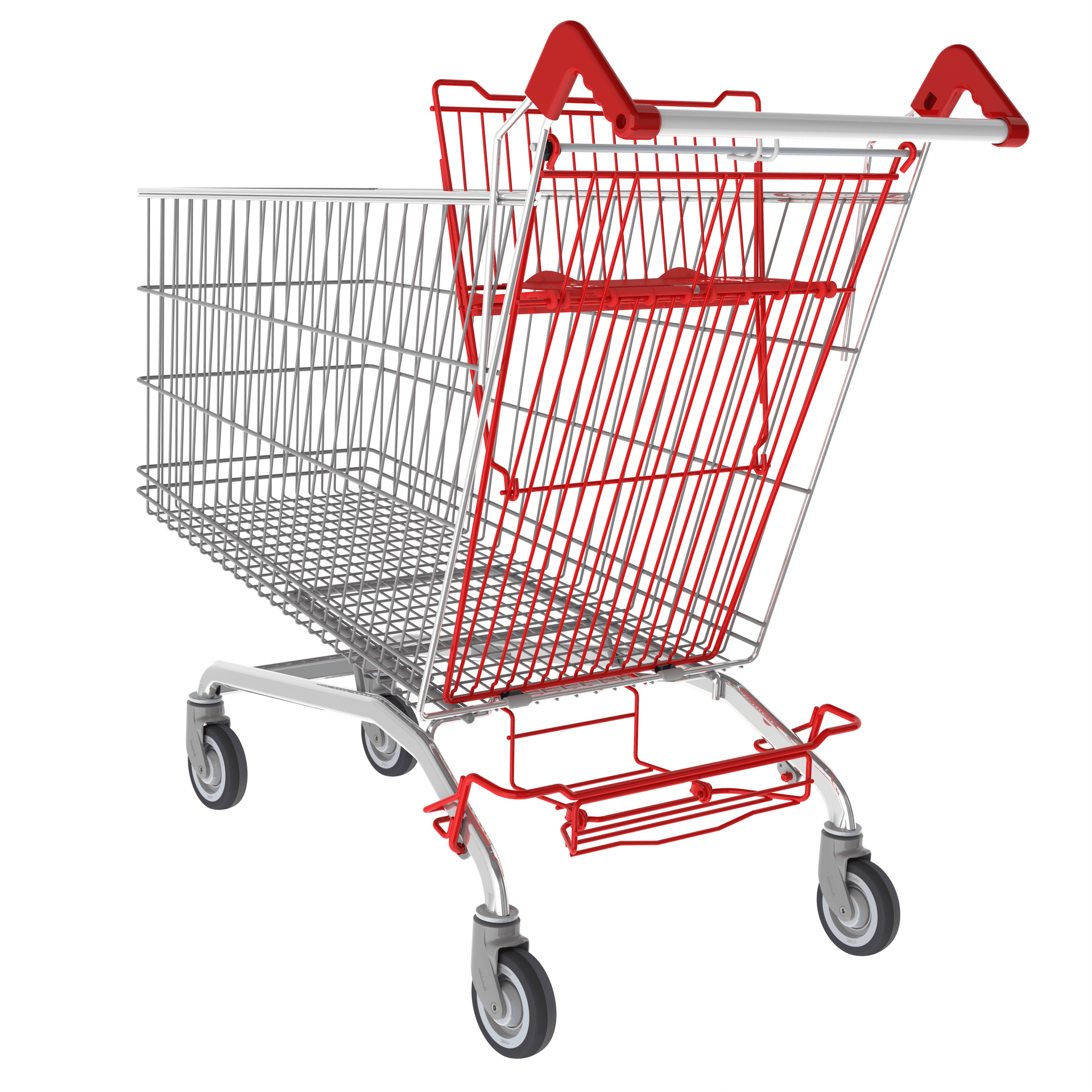
Photo: Roger McLassus. via Wikimedia Commons (CC BY-SA 3.0).

Related stories
Why a Spending Surge Doesn’t Mean Households Feel Rich
A strong month for consumer spending can sound like a victory lap, but many Americans know the difference between buying more and feeling financially comfortable. The real story is how households keep spending while staying cautious everywhere else.

What Empty Parking Lots Can Tell You About Shifting Spending Habits
Consumer confidence doesn’t always show up in headlines first. Sometimes the clearest clues are quieter: lighter shopping traffic, more selective purchases, and households stretching the life of what they already own.
Why Shoppers Keep Opening Their Wallets Even When Prices Still Sting
Americans are still spending, but that doesn’t mean household budgets feel comfortable. The real story is how people are getting more selective, stretching timing, and redefining what counts as a worthwhile purchase.