When Shoppers Pause, Smart Households Get Picky
A softer month for retail doesn’t mean Americans stopped spending forever. It’s often a sign that households are getting more selective, delaying impulse buys, and demanding better value before they check out.

A down month for retail is less dramatic in real life than it sounds on cable news. For most households, it usually looks like skipping the casual Target run, waiting another week on new shoes, or deciding the old blender can survive one more season. That kind of pause matters because it shows where shoppers are drawing a line: not necessarily on essentials, but on anything that feels easy to delay.
The practical takeaway for consumers is that a cautious market can create better buying conditions, especially in categories that depend on impulse spending. When stores sense hesitation, promotions tend to get sharper, bundles get more generous, and seasonal inventory starts moving faster. If you’ve been eyeing home goods, apparel, or non-urgent electronics, this is a good moment to comparison shop instead of buying on habit.
There’s also a cultural shift underneath the numbers. Americans are still willing to spend, but more people want purchases to feel justified, not just convenient. That means retailers have to work harder to prove value, and shoppers who keep a list, wait 48 hours, and check resale or refurbished options are often the ones who come out ahead.
In other words, a retail slowdown is not only a business story. It’s a reminder that saying 'not yet' is its own kind of financial strategy. In a market full of nudges to buy now, a little hesitation can be the difference between routine overspending and a genuinely good deal.
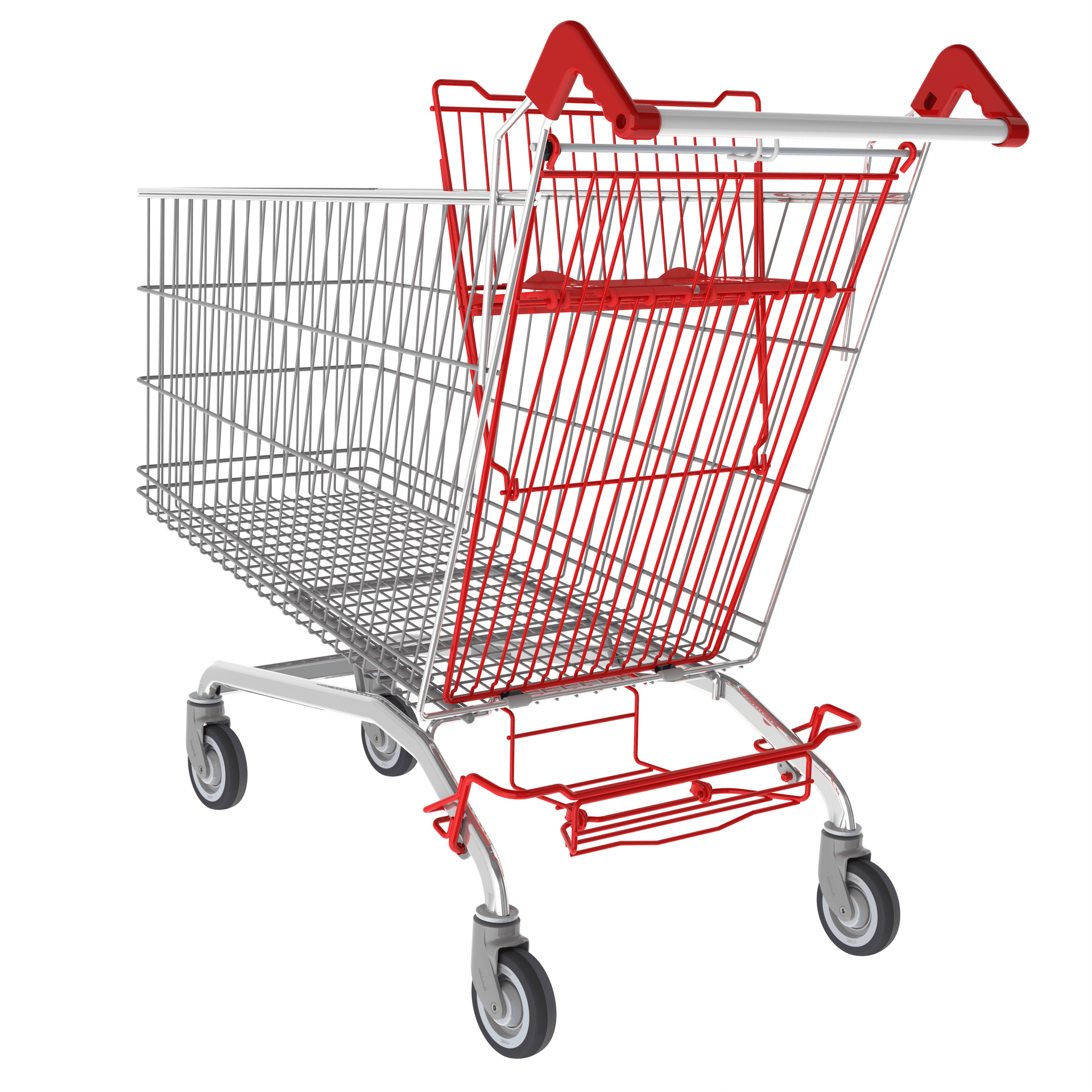
Photo: Roger McLassus. via Wikimedia Commons (CC BY-SA 3.0).

Related stories
Why a Spending Surge Doesn’t Mean Households Feel Rich
A strong month for consumer spending can sound like a victory lap, but many Americans know the difference between buying more and feeling financially comfortable. The real story is how households keep spending while staying cautious everywhere else.

What Empty Parking Lots Can Tell You About Shifting Spending Habits
Consumer confidence doesn’t always show up in headlines first. Sometimes the clearest clues are quieter: lighter shopping traffic, more selective purchases, and households stretching the life of what they already own.
Why Shoppers Keep Opening Their Wallets Even When Prices Still Sting
Americans are still spending, but that doesn’t mean household budgets feel comfortable. The real story is how people are getting more selective, stretching timing, and redefining what counts as a worthwhile purchase.