When Shoppers Pause, the Smart Money Moves to Basics
A softer month for retail is less a mystery than a mood check: households are getting choosier. For shoppers, that usually means fewer impulse buys and more attention on repairs, pantry staples, and purchases that have to earn their space.
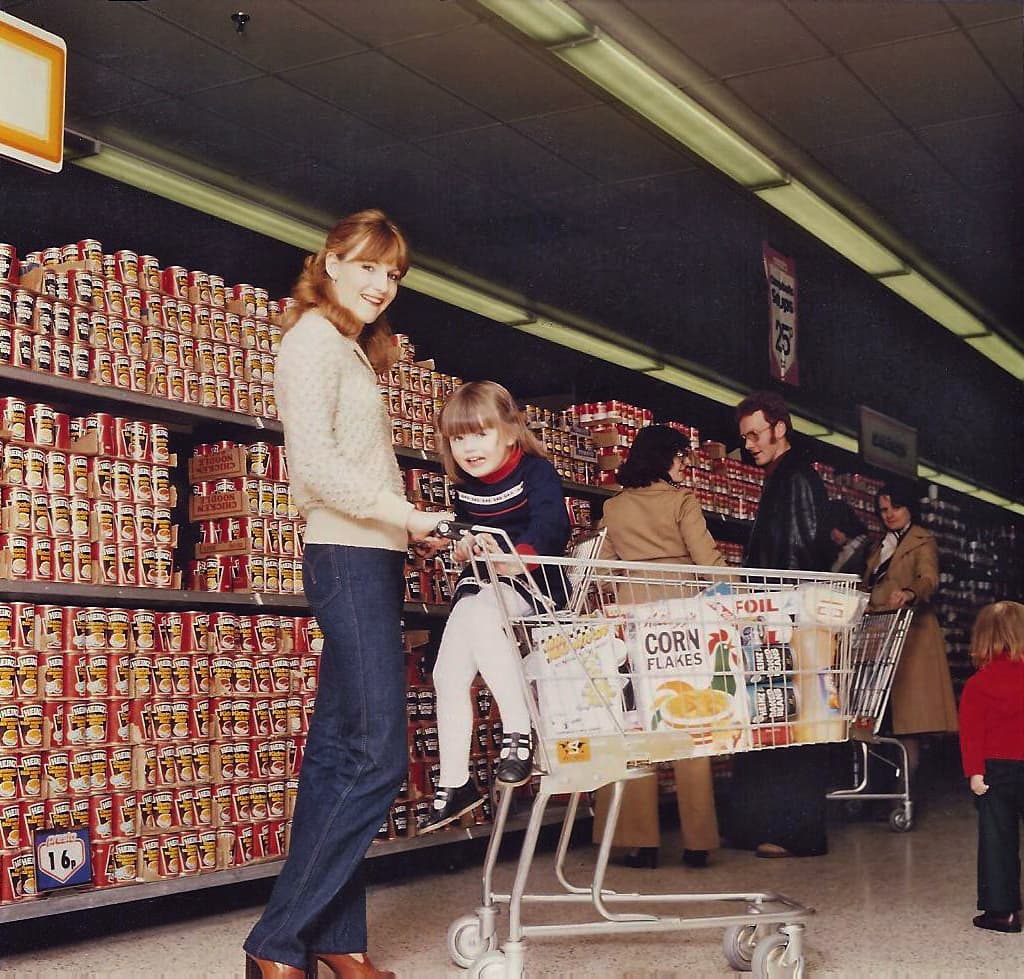
A weak retail month usually gets framed as a warning sign, but for a lot of households it feels more like a reset. When people get uneasy about bills, borrowing costs, or job stability, they do what most sensible adults do: they slow down and ask whether a purchase is actually useful. That doesn’t mean spending disappears. It means the easy, casual kind of spending gets harder.
For shoppers, this is a practical moment to separate habits from needs. If stores start leaning harder on promotions to bring people in, the best response is not to buy more just because the discount looks good. It’s to stock up carefully on items you already use, replace the things that are worn out, and skip the “treat yourself” purchases that only feel exciting for about a day. A sale is only a deal when it solves a real problem.
For businesses, especially midmarket brands, this kind of environment can be revealing. Consumers still spend when the value is obvious, the quality feels dependable, and the purchase fits real life. They tune out vague lifestyle marketing fast. Retailers that make shopping easier, clearer, and less gimmicky tend to look smarter than the ones still acting like every month is an impulse-buy boom.
The larger cultural shift is that frugality no longer reads as pessimism; it reads as competence. Americans are not done shopping, but many are done pretending every errand needs to become a spree. In a slower retail moment, the winners are usually the boring categories that save time, reduce waste, or keep a household running without drama. That may not be flashy, but it is often where the best value lives.
Photo: Debbie Mc via Wikimedia Commons (CC BY 2.0).

Related stories

Why a Spending Surge Doesn’t Mean Households Feel Rich
A strong month for consumer spending can sound like a victory lap, but many Americans know the difference between buying more and feeling financially comfortable. The real story is how households keep spending while staying cautious everywhere else.

What Empty Parking Lots Can Tell You About Shifting Spending Habits
Consumer confidence doesn’t always show up in headlines first. Sometimes the clearest clues are quieter: lighter shopping traffic, more selective purchases, and households stretching the life of what they already own.

Why Shoppers Keep Opening Their Wallets Even When Prices Still Sting
Americans are still spending, but that doesn’t mean household budgets feel comfortable. The real story is how people are getting more selective, stretching timing, and redefining what counts as a worthwhile purchase.