When Shoppers Pause, the Smart Money Moves to Basics
A softer month for store spending doesn’t mean consumers disappeared; it suggests more households are getting choosier. For shoppers, that usually means a better moment to focus on essentials, timing, and value instead of impulse buys.
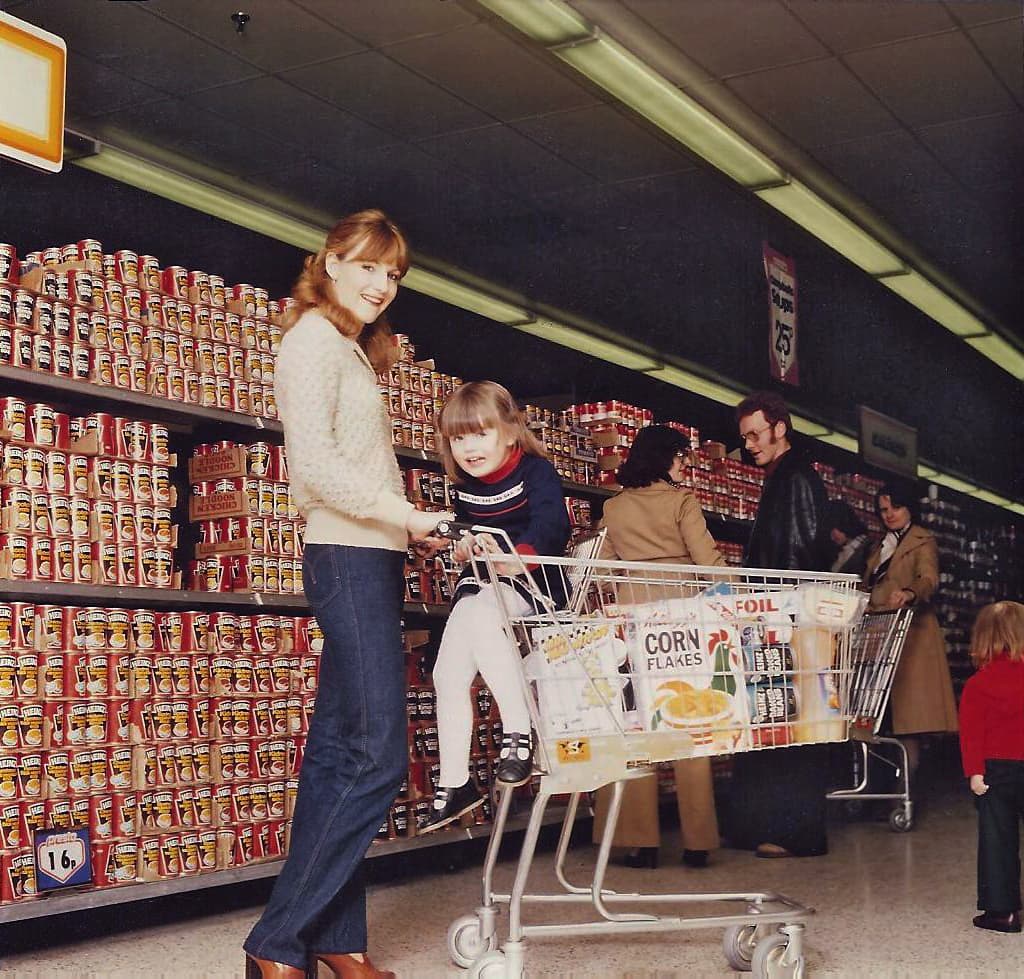
A down month in retail spending is less a drama headline for most households than a mood shift: people still need groceries, school supplies, gas, and household basics, but they may be hesitating on the extra cart add-ons. That kind of pause matters because it often shows up first in the categories Americans can delay, downgrade, or skip entirely for a few weeks.
For consumers, a slower retail moment can be useful. When stores sense shoppers are more cautious, promotions tend to do more of the talking. That doesn’t mean everything suddenly becomes a bargain, but it does mean this is a good time to separate real needs from convenience spending and to wait a beat before buying the nonessential item that looked urgent on a screen.
The practical play is boring on purpose: replenish staples before replacing perfectly functional things, compare unit prices instead of reacting to flashy markdowns, and treat back-to-school and late-summer sales as a chance to buy what was already on your list. In a softer spending environment, the best deal is often the purchase you planned, not the one designed to make you feel like you saved money.
There’s also a broader lesson here for retailers and shoppers alike. Americans haven’t stopped spending; they’ve become more selective about what feels worth it. Businesses that offer durability, straightforward pricing, and useful promotions are likely to win that attention, while households that keep a tighter grip on impulse purchases may find that a cautious month can quietly improve the rest of their year.
Photo: Debbie Mc via Wikimedia Commons (CC BY 2.0).

Related stories
Why a Spending Surge Doesn’t Mean Households Feel Rich
A strong month for consumer spending can sound like a victory lap, but many Americans know the difference between buying more and feeling financially comfortable. The real story is how households keep spending while staying cautious everywhere else.

What Empty Parking Lots Can Tell You About Shifting Spending Habits
Consumer confidence doesn’t always show up in headlines first. Sometimes the clearest clues are quieter: lighter shopping traffic, more selective purchases, and households stretching the life of what they already own.
Why Shoppers Keep Opening Their Wallets Even When Prices Still Sting
Americans are still spending, but that doesn’t mean household budgets feel comfortable. The real story is how people are getting more selective, stretching timing, and redefining what counts as a worthwhile purchase.