When Shoppers Pull Back, the Discount Aisle Becomes a Mood Ring
A slowdown at the country’s biggest retailer says less about one chain and more about how carefully Americans are shopping right now. For households, it’s a reminder that small buying habits often reveal the bigger economy before official forecasts do.

When a retailer built around low prices starts feeling softer demand, it usually means shoppers are doing more than bargain hunting. They’re delaying non-essentials, shrinking impulse buys, and turning every store run into a stricter math problem. That change matters because big-box shopping is one of the clearest windows into how everyday households actually feel, long before economists settle on the right label for it.
For a lot of Americans, this isn’t really about panic. It’s about fatigue. Groceries, rent, utilities, school costs, and insurance have trained people to think in smaller, more defensive decisions. The result is a quieter kind of pullback: fewer extras in the cart, more store-brand swaps, and a stronger habit of walking away from anything that feels merely convenient instead of necessary.
There’s also a practical lesson here for readers who want to stay ahead of their own budget drift. Watch the categories where you tend to spend on autopilot, especially household basics, snacks, seasonal items, and quick add-ons near checkout. Those purchases rarely look dramatic one by one, but they’re often the first place a tighter economy shows up in real life. Retail slowdowns don’t only reflect caution; they can teach it.
The broader takeaway is that consumers are not disappearing, they’re becoming more selective. That’s a different story than collapse, and it helps explain why discount chains, warehouse clubs, resale apps, and private-label goods keep gaining cultural ground. Americans still want value, but value now means fewer regrets as much as lower prices. Retailers that understand that mood will do better than the ones still betting on easy impulse spending.
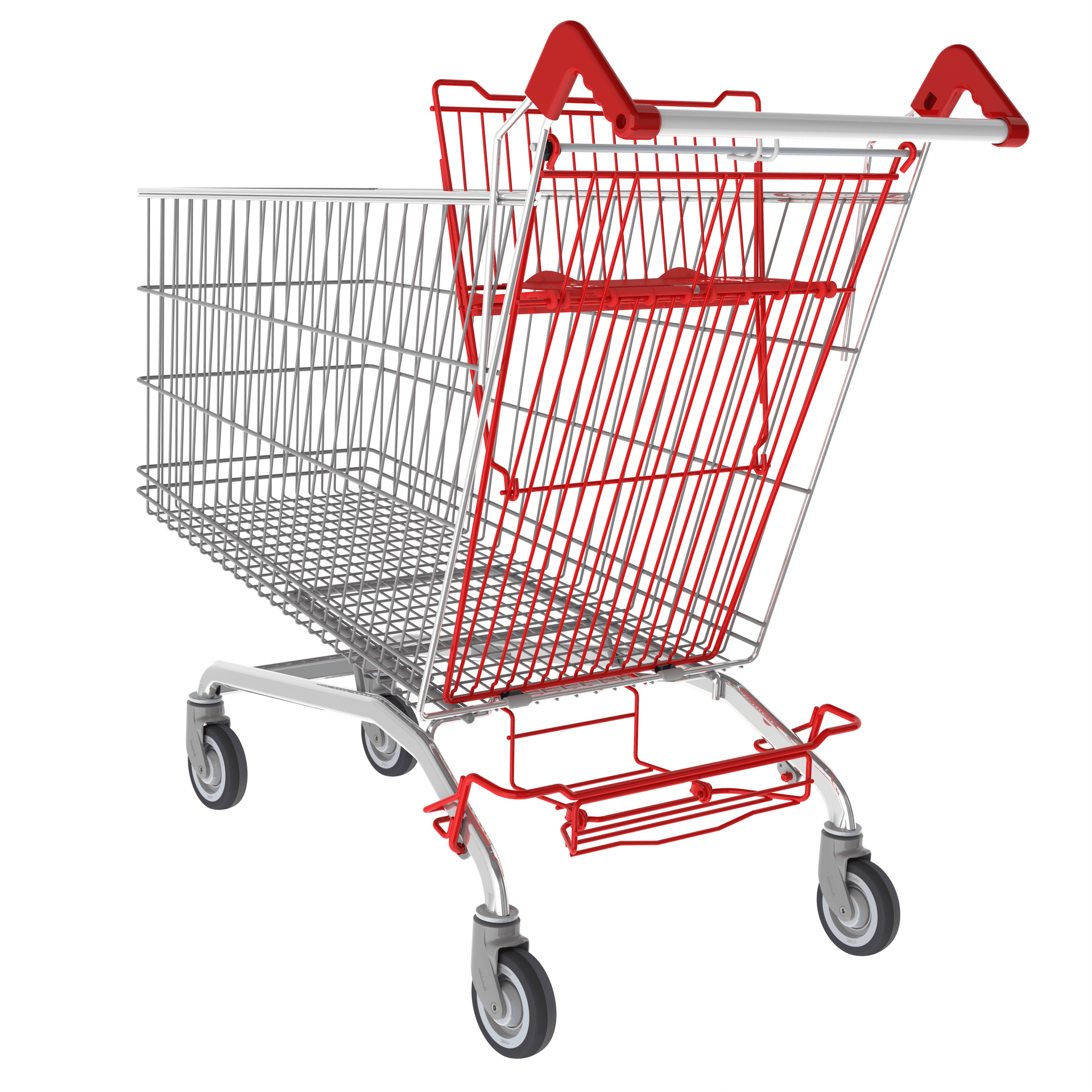
Photo: Guanaco via Wikimedia Commons (CC0).

Related stories
Why a Spending Surge Doesn’t Mean Households Feel Rich
A strong month for consumer spending can sound like a victory lap, but many Americans know the difference between buying more and feeling financially comfortable. The real story is how households keep spending while staying cautious everywhere else.

What Empty Parking Lots Can Tell You About Shifting Spending Habits
Consumer confidence doesn’t always show up in headlines first. Sometimes the clearest clues are quieter: lighter shopping traffic, more selective purchases, and households stretching the life of what they already own.
Why Shoppers Keep Opening Their Wallets Even When Prices Still Sting
Americans are still spending, but that doesn’t mean household budgets feel comfortable. The real story is how people are getting more selective, stretching timing, and redefining what counts as a worthwhile purchase.