When Shoppers Pull Back, Smart Households Get Picky
A slowdown at the cash register doesn’t just signal economic nerves—it also reflects a more selective kind of spending. For households, that can be a useful reminder to buy with more intention, not just less.

When spending cools off, it usually says less about Americans losing interest in buying things and more about people getting tougher about what deserves their money. That shift matters for everyday households. In a period when essentials still take a bigger bite out of the budget, shoppers tend to become less loyal, less impulsive, and much more willing to wait for a real deal.
That’s not necessarily bad news. A cautious consumer can be an efficient consumer. Instead of treating every sale as savings, more households are separating routine purchases from emotional ones: groceries and toiletries get planned, bigger home buys get delayed, and trend-driven purchases start looking easier to skip. Retailers may not love that mood, but family budgets often do.
This is also the kind of moment when the difference between “on sale” and “worth buying” becomes obvious. Stores respond to softer demand with promotions, bundles, and clearance cycles, but that doesn’t mean every discount is a smart move. The practical shopper’s edge is patience. If something isn’t needed this month, there’s a good chance a better price or a better version will show up later.
For readers trying to make sense of the bigger picture, the takeaway is simple: a pullback in spending doesn’t have to mean panic. It can mean consumers are done playing along with inflated expectations, aggressive upselling, and purchases that don’t improve daily life. In that sense, spending less recklessly isn’t just defensive—it’s a quiet form of leverage.
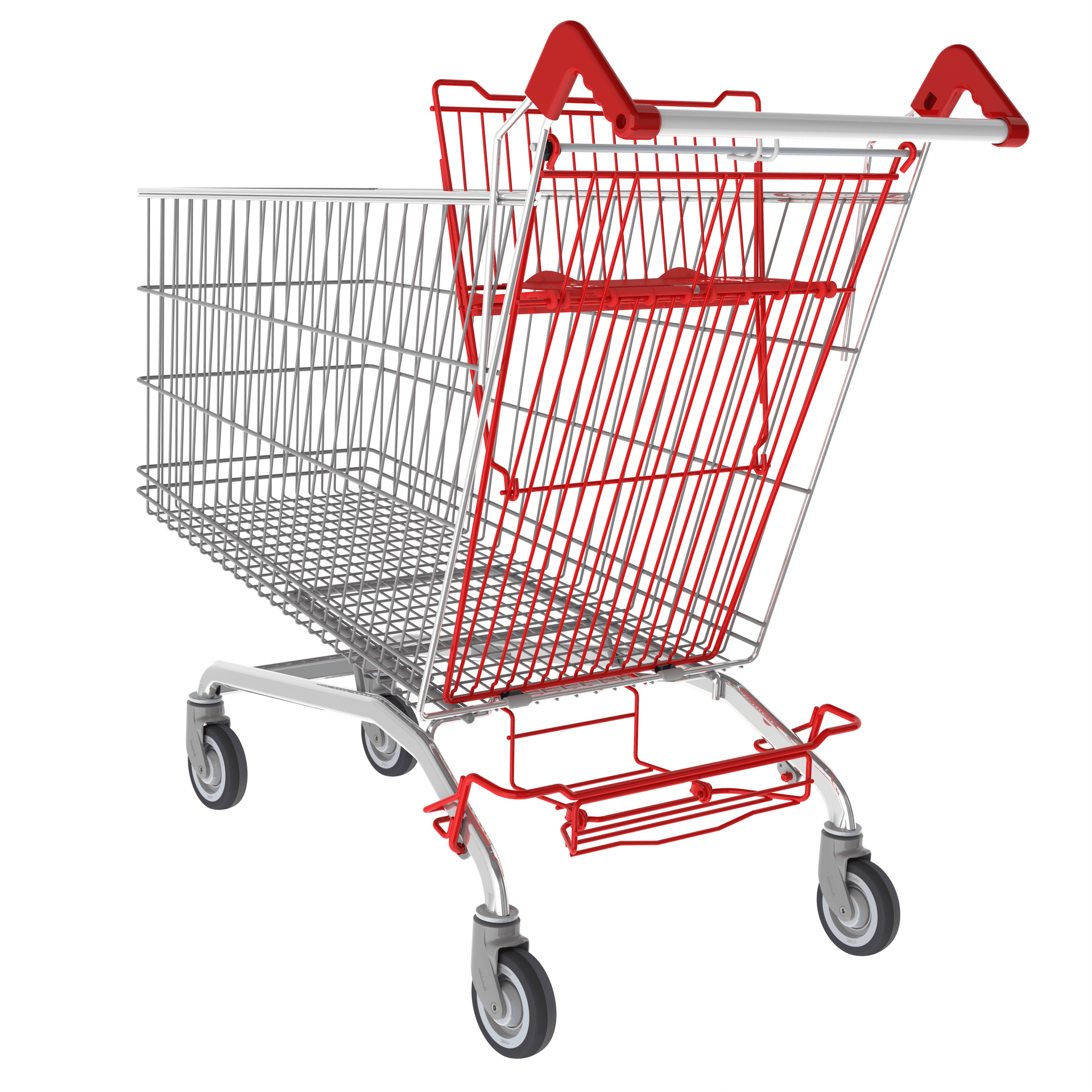
Photo: Roger McLassus. via Wikimedia Commons (CC BY-SA 3.0).

Related stories
Why a Spending Surge Doesn’t Mean Households Feel Rich
A strong month for consumer spending can sound like a victory lap, but many Americans know the difference between buying more and feeling financially comfortable. The real story is how households keep spending while staying cautious everywhere else.

What Empty Parking Lots Can Tell You About Shifting Spending Habits
Consumer confidence doesn’t always show up in headlines first. Sometimes the clearest clues are quieter: lighter shopping traffic, more selective purchases, and households stretching the life of what they already own.
Why Shoppers Keep Opening Their Wallets Even When Prices Still Sting
Americans are still spending, but that doesn’t mean household budgets feel comfortable. The real story is how people are getting more selective, stretching timing, and redefining what counts as a worthwhile purchase.