When Soup Gets Strategic, Shoppers Start Rewriting the Pantry
If big food brands lean on price hikes and cost cutting at the same time, shoppers usually feel it twice: at the shelf and in the package. For households trying to stretch grocery budgets, that’s a cue to shop categories more carefully, not just brands.
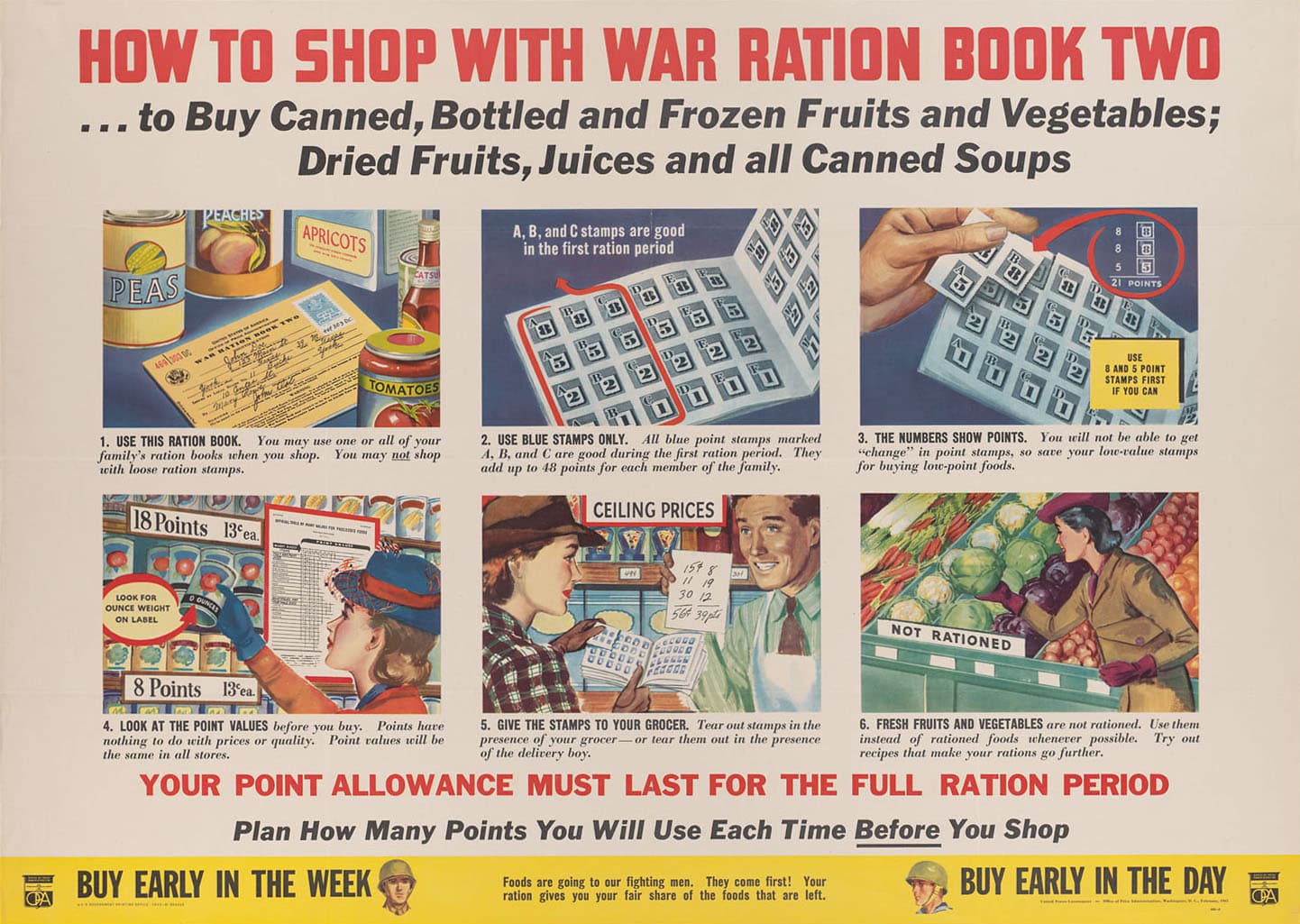
When a legacy food company starts talking about raising prices while trimming costs, the message for shoppers is pretty clear: your next grocery trip may ask you to pay more for a product that feels a little less generous, whether that shows up in package size, recipe tweaks, or fewer promotions. Consumers don’t need a quarterly report to recognize the pattern. They see it in the soup aisle, the cracker shelf, and the snack section when familiar staples stop feeling like easy defaults.
paragraphs like this usually land hardest on people who buy packaged foods for convenience, not indulgence. A can of soup, a box of crackers, or a quick lunch item is often a time-saving tool for busy families, older adults, and workers piecing together meals between long days. That’s why even modest pricing changes matter more than they look on paper. A pantry brand doesn’t have to become “expensive” to start losing its place in a routine; it just has to stop feeling dependable value.
The practical response is to shop the category instead of the logo. Compare store brands, watch unit prices, and notice which items still pull their weight as flexible ingredients rather than one-and-done meals. Broth, plain crackers, canned beans, pasta, and frozen vegetables often give households more ways to stretch dinner than highly branded convenience items do. If a familiar name wants premium loyalty, it has to keep earning it every week.
There’s also a bigger cultural shift hiding here. American shoppers have become much less sentimental about legacy grocery brands than many companies seem to expect. If a product gets pricier, smaller, or less satisfying, people move on fast. That doesn’t mean brands are doomed, but it does mean the old comfort of pantry nostalgia is no longer enough. In a tighter grocery economy, value is the story, and shoppers are editing their carts accordingly.
Photo: Office of Price Administration via Wikimedia Commons (Public domain).

Related stories
Why a Spending Surge Doesn’t Mean Households Feel Rich
A strong month for consumer spending can sound like a victory lap, but many Americans know the difference between buying more and feeling financially comfortable. The real story is how households keep spending while staying cautious everywhere else.

What Empty Parking Lots Can Tell You About Shifting Spending Habits
Consumer confidence doesn’t always show up in headlines first. Sometimes the clearest clues are quieter: lighter shopping traffic, more selective purchases, and households stretching the life of what they already own.
Why Shoppers Keep Opening Their Wallets Even When Prices Still Sting
Americans are still spending, but that doesn’t mean household budgets feel comfortable. The real story is how people are getting more selective, stretching timing, and redefining what counts as a worthwhile purchase.