When Soup Giants Squeeze, Shoppers Learn to Read the Shelf Differently
When a big pantry brand talks about raising prices and cutting costs at the same time, shoppers should expect more than a higher receipt. It’s a reminder to compare unit prices, watch package sizes, and stay flexible about brands in the soup aisle.
When a major pantry company signals both price hikes and cost cutting, shoppers usually feel the effects in familiar ways: a favorite staple costs a little more, promotions seem less generous, and the package on the shelf starts looking suspiciously lighter. That doesn’t make every increase unreasonable, but it does mean consumers should stop treating legacy grocery brands as automatic defaults.
The practical move is to shop the shelf, not the logo. In categories like soup, broth, crackers, and simple meal starters, unit price often tells a different story than the front label. A can on sale can still be a worse deal than a store brand sitting right next to it, and a “family size” package is only a bargain if the math works. This is the kind of grocery inflation that rewards five extra seconds of attention.
There’s also a quality question hiding inside all the corporate talk about efficiency. Cost cuts can show up in recipe tweaks, thinner portions, or fewer discounts rather than dramatic changes shoppers notice right away. If a comfort-food staple no longer tastes quite the same or doesn’t stretch as far for a weeknight meal, that matters just as much as the sticker price.
For US households trying to keep grocery spending steady, the smartest response is flexibility. Rotate between national brands and private label, stock up only when the unit price is truly good, and keep one or two backup pantry options so you’re not forced into buying the expensive default. The companies may be managing margins, but shoppers can still manage the cart.
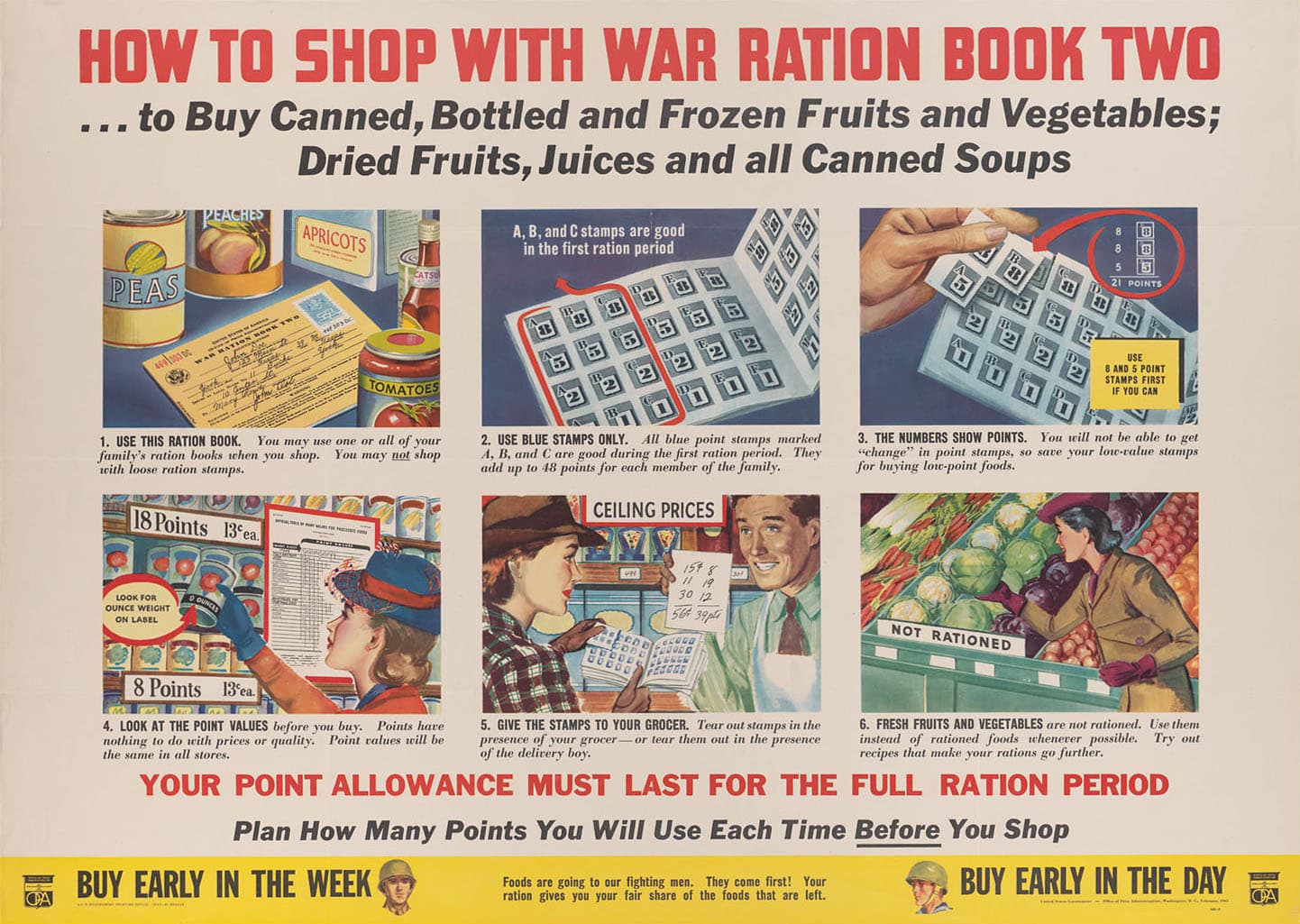
Photo: Office of Price Administration via Wikimedia Commons (Public domain).

Related stories
Why a Spending Surge Doesn’t Mean Households Feel Rich
A strong month for consumer spending can sound like a victory lap, but many Americans know the difference between buying more and feeling financially comfortable. The real story is how households keep spending while staying cautious everywhere else.

What Empty Parking Lots Can Tell You About Shifting Spending Habits
Consumer confidence doesn’t always show up in headlines first. Sometimes the clearest clues are quieter: lighter shopping traffic, more selective purchases, and households stretching the life of what they already own.
Why Shoppers Keep Opening Their Wallets Even When Prices Still Sting
Americans are still spending, but that doesn’t mean household budgets feel comfortable. The real story is how people are getting more selective, stretching timing, and redefining what counts as a worthwhile purchase.