When the Refund Rush Ends, Real Budget Habits Start
A spring spending burst can make the economy look healthier than it feels at home. Once tax refunds are gone, everyday budgets tend to tell the more honest story.
Every year, tax refund season can create a brief sense of financial breathing room. People catch up on bills, replace something that finally broke, or say yes to a purchase they have been putting off for months. That can make consumer spending look sturdy on paper, even when plenty of households are still operating with very little margin.
The more useful question for regular Americans is not whether spending held up for one good stretch, but what happens when that extra cash is gone. If your budget only works in the months when a refund, bonus, or seasonal boost arrives, that is not really stability. It is a reminder that many purchases still depend on temporary relief rather than lasting confidence.
This is why the boring parts of personal finance matter so much right now. Grocery totals, insurance bills, rent, utilities, and subscription creep have a way of exposing whether a household is actually comfortable or just getting through the quarter. A slowdown in spending is not always a sign of panic; sometimes it is simply consumers getting more selective because they have to be.
For shoppers, this is a good moment to separate relief spending from lifestyle spending. Replacing essentials, paying down debt, and building a small cash buffer usually age better than treating a refund like permission for a reset at the mall. The economy may debate momentum, but at the kitchen-table level, resilience still looks a lot like keeping next month from becoming expensive.
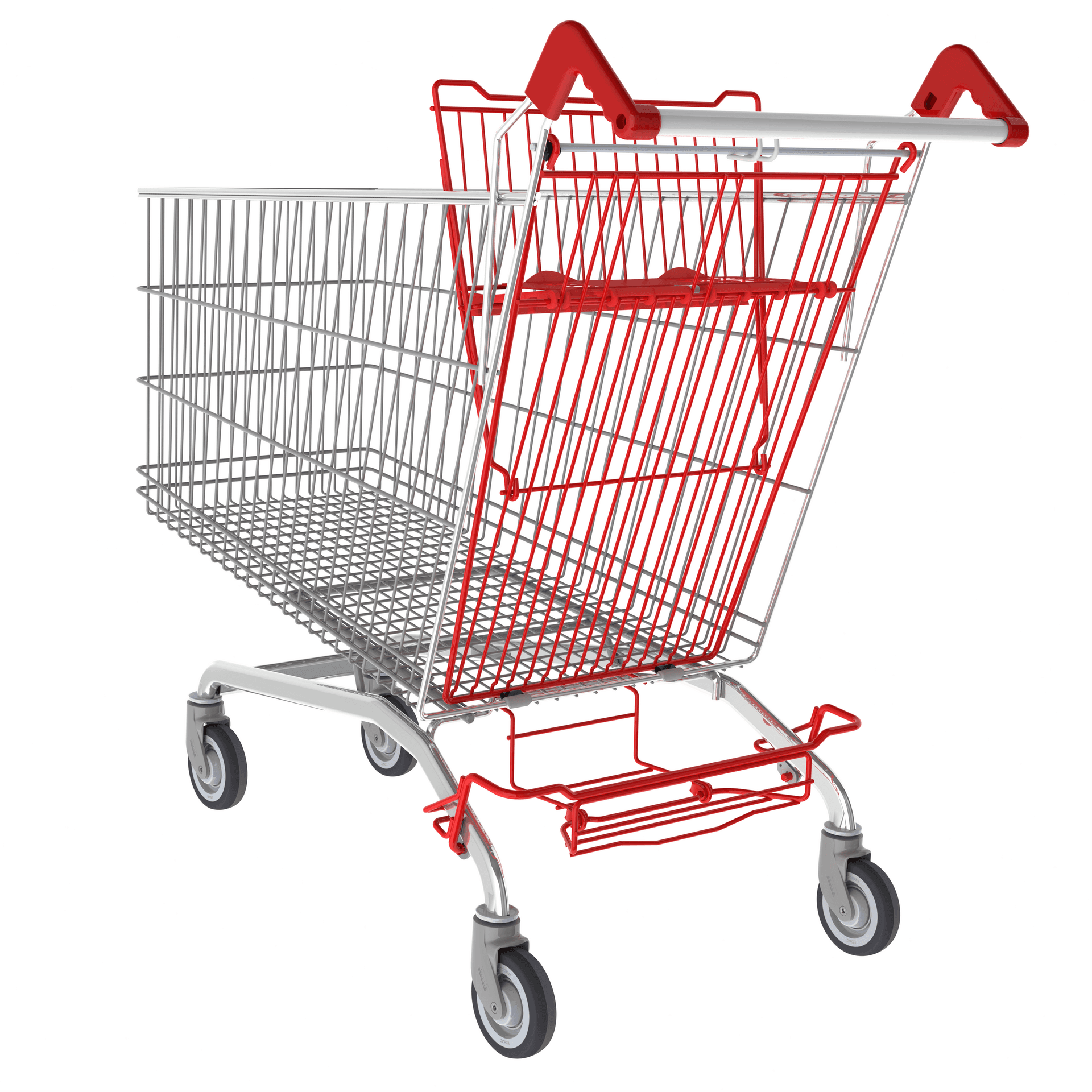
Photo: Caddiedrusenheim via Wikimedia Commons (CC BY-SA 4.0).

Related stories
Why a Spending Surge Doesn’t Mean Households Feel Rich
A strong month for consumer spending can sound like a victory lap, but many Americans know the difference between buying more and feeling financially comfortable. The real story is how households keep spending while staying cautious everywhere else.

What Empty Parking Lots Can Tell You About Shifting Spending Habits
Consumer confidence doesn’t always show up in headlines first. Sometimes the clearest clues are quieter: lighter shopping traffic, more selective purchases, and households stretching the life of what they already own.
Why Shoppers Keep Opening Their Wallets Even When Prices Still Sting
Americans are still spending, but that doesn’t mean household budgets feel comfortable. The real story is how people are getting more selective, stretching timing, and redefining what counts as a worthwhile purchase.