When the Tax Refund Glow Wears Off, Households Get Choosier Fast
A spring spending bump can make the economy look healthier than it feels in everyday life. Once refund season fades, shoppers tend to tighten up and focus on bills, basics, and purchases that truly earn their keep.

Spring often gives retailers and economists a temporary mood lift. Tax refunds land, overdue errands get handled, and a few bigger purchases suddenly seem possible. But that burst of cash can make consumer demand look stronger than it really is, especially for families who were using the refund to catch up rather than to splurge.
For regular households, the more interesting story is what happens after the refund money is gone. That is usually when subscriptions get reviewed, takeout starts looking expensive again, and the difference between a want and a need becomes much sharper. If stores are counting on the same pace of spending to continue into the next stretch of the year, they may run into a customer who is far more selective than optimistic.
That selectiveness is not necessarily bad news for shoppers. It can be the moment when people stop reacting to a short-lived cash bump and start buying more intentionally. In practical terms, that often means delaying replacement purchases, trading down to store brands, and waiting for genuine promotions instead of impulse-buying at full price. A cooler spending mood tends to reward patience.
For businesses, the lesson is straightforward: consumers are still willing to spend, but they increasingly want a clear reason. Convenience helps, but value matters more when the budget reset arrives. The companies that do best in this kind of environment are usually the ones that respect shoppers’ caution instead of pretending everyone is still in a post-refund spending spree.
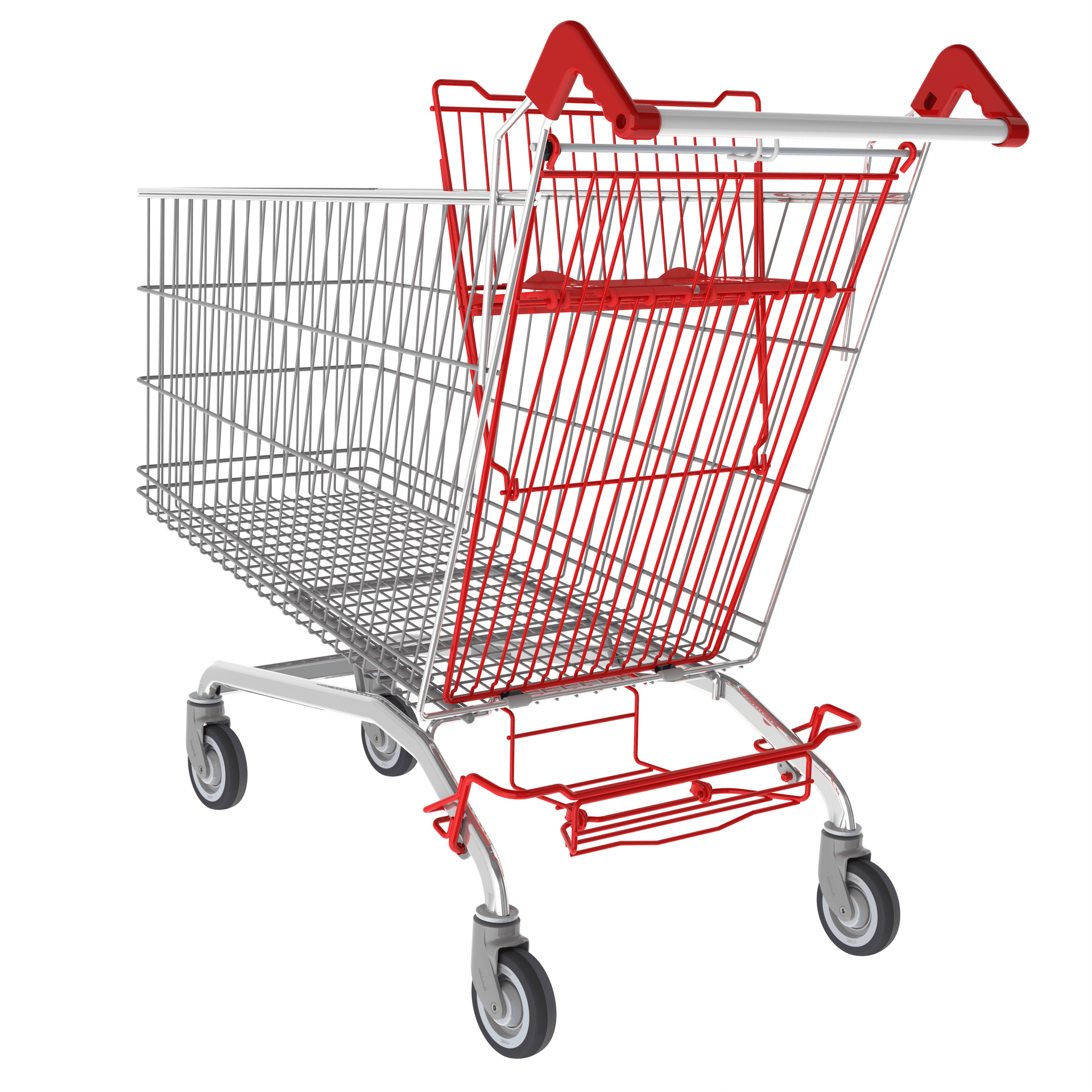
Photo: Roger McLassus. via Wikimedia Commons (CC BY-SA 3.0).

Related stories
Why a Spending Surge Doesn’t Mean Households Feel Rich
A strong month for consumer spending can sound like a victory lap, but many Americans know the difference between buying more and feeling financially comfortable. The real story is how households keep spending while staying cautious everywhere else.

What Empty Parking Lots Can Tell You About Shifting Spending Habits
Consumer confidence doesn’t always show up in headlines first. Sometimes the clearest clues are quieter: lighter shopping traffic, more selective purchases, and households stretching the life of what they already own.
Why Shoppers Keep Opening Their Wallets Even When Prices Still Sting
Americans are still spending, but that doesn’t mean household budgets feel comfortable. The real story is how people are getting more selective, stretching timing, and redefining what counts as a worthwhile purchase.