Why a Big Furniture Discount Push Matters Beyond the Showroom
When a major home retailer leans into lower prices, it can shape how Americans think about furnishing, moving, and budgeting. The real story is what cheaper basics mean for households trying to make a place feel finished without overspending.
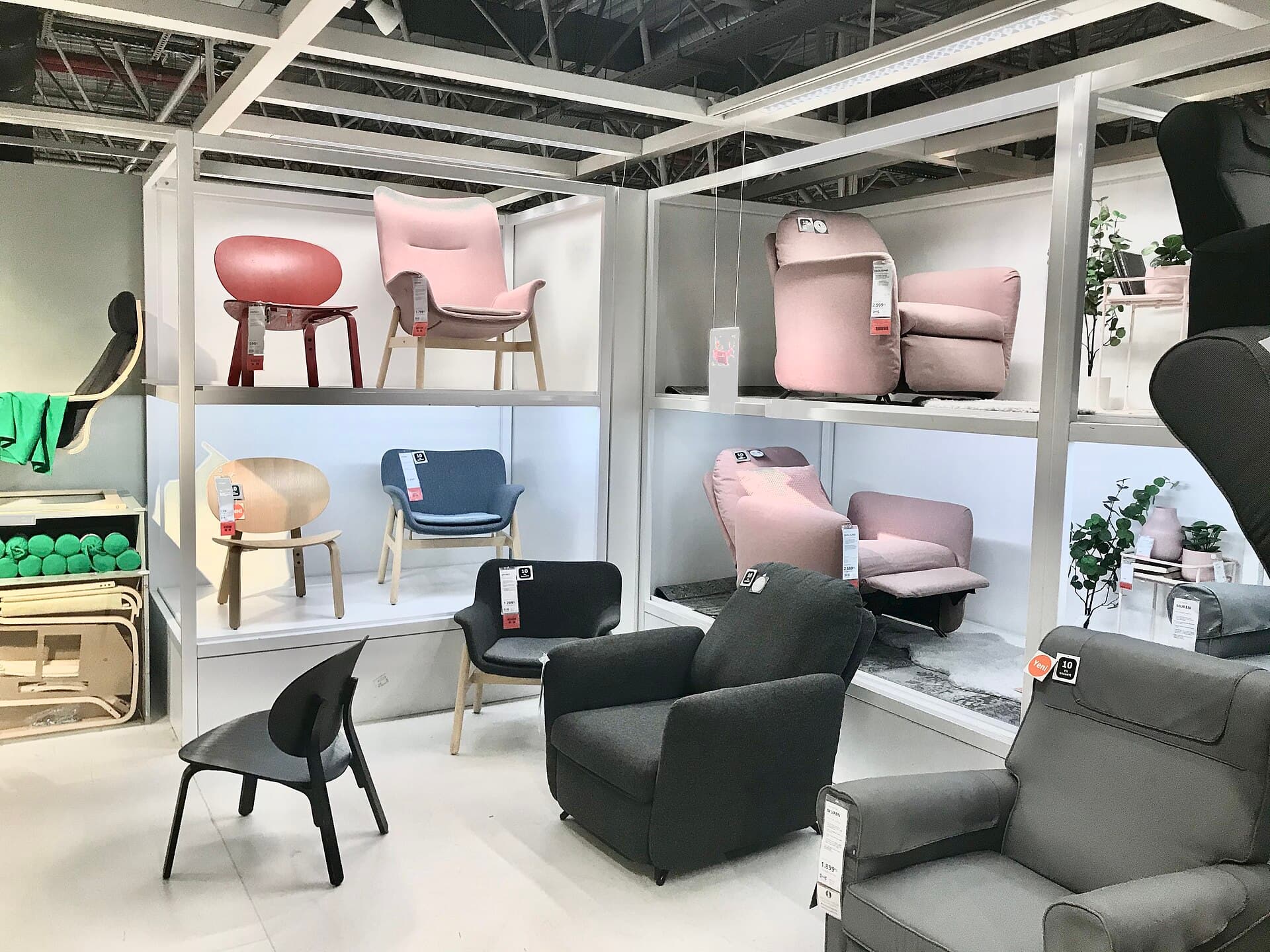
A major round of furniture price cuts matters because home shopping is rarely just about style. For a lot of US households, it is tied to moving costs, first apartments, growing families, and the slow, expensive process of replacing worn-out basics. When a retailer with a huge footprint makes affordability the point, it puts pressure on the rest of the market to justify why simple shelves, tables, and storage should cost more.
The most useful impact is usually on the boring essentials. Shoppers can live without a trendy accent chair, but they do need a dresser that fits in a small bedroom, a desk that works in a corner, or bins that make a closet usable. Lower prices on practical home goods can help renters and new homeowners finish rooms they have been piecing together for months, instead of treating every furniture purchase like a major financial event.
There is also a culture shift underneath this. Americans have spent years getting used to the idea that nearly everything for the home is either premium, delayed, or strangely expensive for what it is. A retailer choosing to compete hard on price sends a different message: not every household item needs to feel like a luxury purchase. That is good for shoppers, especially if it resets expectations around what entry-level furniture and storage should cost.
The smart move for consumers is not to assume every lower sticker is automatically a deal. Compare dimensions, materials, delivery fees, and the odds that you will need to replace the item sooner than expected. But if broad price reductions make functional home basics easier to buy, that is one of the more meaningful kinds of savings: the kind that helps people set up daily life, not just chase a sale.
Photo: Maurice Flesier via Wikimedia Commons (CC BY-SA 4.0).

Related stories

Why a Spending Surge Doesn’t Mean Households Feel Rich
A strong month for consumer spending can sound like a victory lap, but many Americans know the difference between buying more and feeling financially comfortable. The real story is how households keep spending while staying cautious everywhere else.

What Empty Parking Lots Can Tell You About Shifting Spending Habits
Consumer confidence doesn’t always show up in headlines first. Sometimes the clearest clues are quieter: lighter shopping traffic, more selective purchases, and households stretching the life of what they already own.

Why Shoppers Keep Opening Their Wallets Even When Prices Still Sting
Americans are still spending, but that doesn’t mean household budgets feel comfortable. The real story is how people are getting more selective, stretching timing, and redefining what counts as a worthwhile purchase.