Why a Nervous Shopper in Europe Matters at Your Checkout Line
When consumers abroad pull back, American shoppers can feel it in quieter ways: slower promotions, inventory shifts, and a more cautious mood from global brands. It’s a reminder that everyday spending is tied to confidence as much as income.
A retail slowdown in Europe may sound remote if your weekly concerns are eggs, sneakers, and school supplies, but global consumer caution has a way of traveling. When shoppers in a major market get nervous, big brands notice quickly. That can affect how aggressively they order inventory, where they offer discounts, and which products they push hardest in the US.
paragraphs like this matter because they remind us that spending is emotional, not just mathematical. Even when people still need basics, they often postpone the maybe-later purchases: a jacket, a lamp, a nicer bottle of olive oil, the upgrade instead of the replacement. That mood can spread across borders faster than any single economic indicator, especially when headlines are filled with conflict and uncertainty.
For American households, the practical takeaway is not to panic but to watch how retailers respond. If companies get more conservative, shoppers may see fewer splashy experiments and more focus on dependable sellers, private-label options, and promotions designed to move cautious customers. That can be good news if you like value, but it also means the best deals may show up in narrower categories instead of across the board.
The bigger lifestyle lesson is that confidence has become its own shopping currency. People spend more freely when the future feels stable, and pull back when it doesn’t, even before their finances change dramatically. That makes this less a story about Europe alone and more a useful cue for US consumers: buy what you truly use, stay flexible on brands, and treat uncertainty as a reason to shop smarter, not simply less.
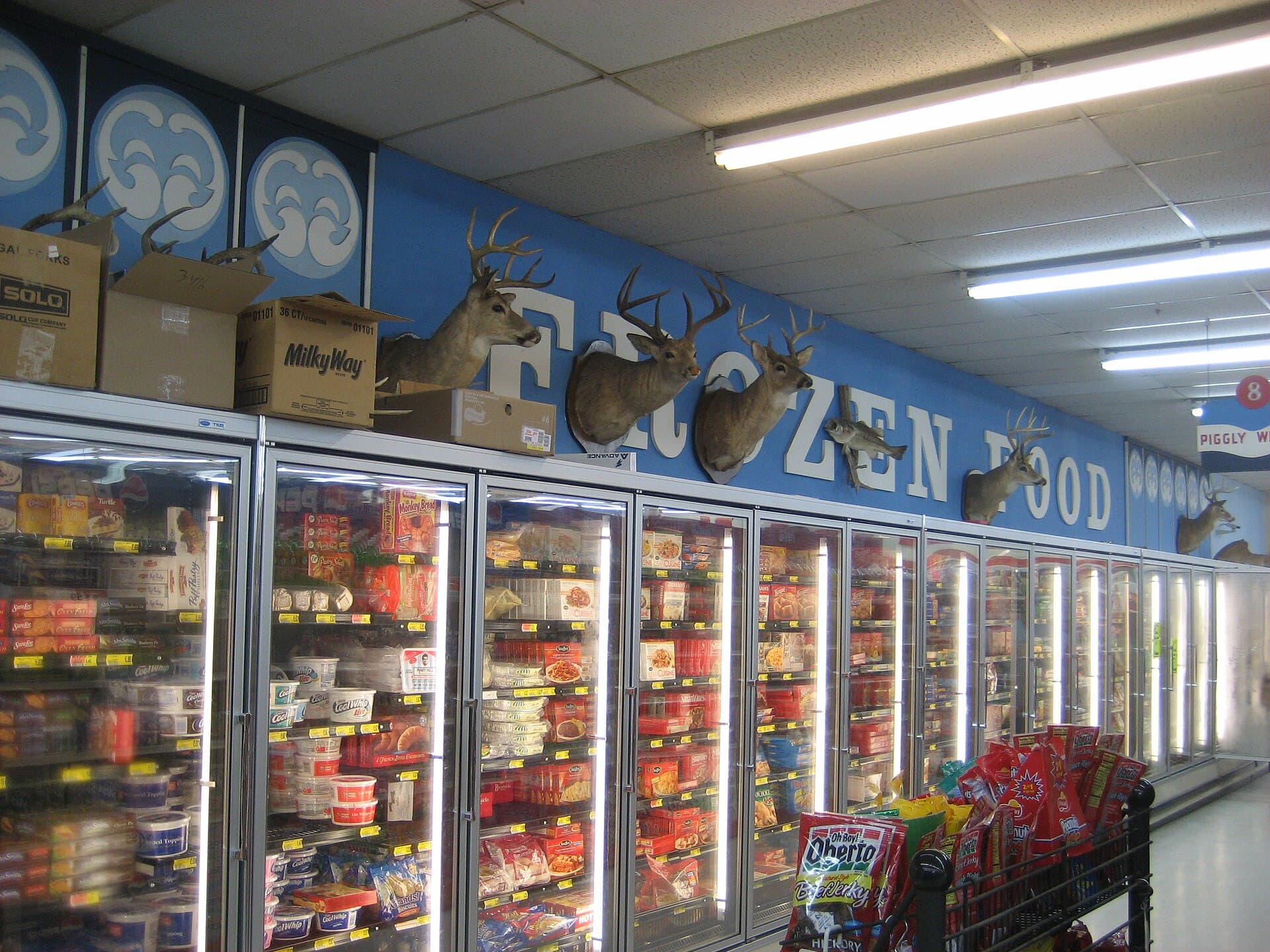
Photo: Infrogmation of New Orleans via Wikimedia Commons (CC BY-SA 3.0).

Related stories

Why a Spending Surge Doesn’t Mean Households Feel Rich
A strong month for consumer spending can sound like a victory lap, but many Americans know the difference between buying more and feeling financially comfortable. The real story is how households keep spending while staying cautious everywhere else.

What Empty Parking Lots Can Tell You About Shifting Spending Habits
Consumer confidence doesn’t always show up in headlines first. Sometimes the clearest clues are quieter: lighter shopping traffic, more selective purchases, and households stretching the life of what they already own.

Why Shoppers Keep Opening Their Wallets Even When Prices Still Sting
Americans are still spending, but that doesn’t mean household budgets feel comfortable. The real story is how people are getting more selective, stretching timing, and redefining what counts as a worthwhile purchase.