Why a New Chip Champion Matters Even if You Never Buy a Semiconductor Stock
A changing pecking order in memory chips could eventually show up in the devices Americans buy, from laptops to cars. The bigger story is what more competition may mean for prices, supply, and how often our gadgets get delayed.
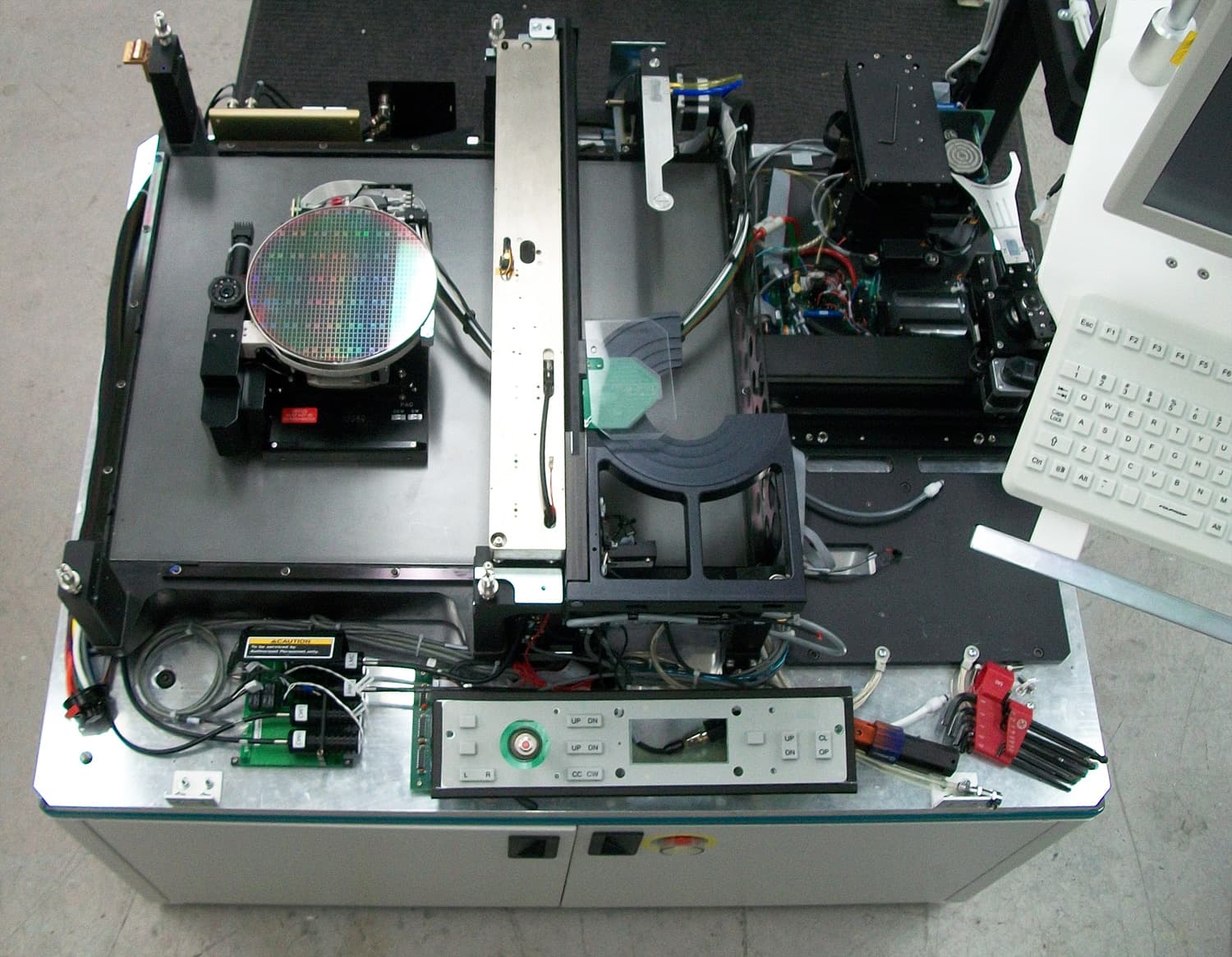
Most people will never follow a memory-chip company the way they follow Apple or Nvidia, but they still feel the effects every time they shop for a laptop, replace a phone, or wait for a car repair. When a new heavyweight emerges in chips, it can shift who has leverage over supply, pricing, and product timelines. That sounds abstract until you remember how quickly component shortages can turn into higher retail prices and fewer choices on store shelves.
For US consumers, the practical question is simple: does more capacity and more competition help make everyday tech less expensive and easier to find? Over time, it often can. Memory is one of those invisible parts that touches nearly everything with a screen, a battery, or a processor. If the global market gets another serious player, brands that assemble finished devices may have more flexibility when sourcing parts, which can matter during periods of tight supply or geopolitical stress.
That does not mean shoppers should expect an instant discount on their next MacBook or gaming PC. Electronics prices are shaped by plenty of other forces, including tariffs, shipping costs, brand markups, and the race to cram in more premium features. But a broader supplier base is still good news in principle, especially after several years when consumers learned that tiny upstream disruptions can ripple all the way down to checkout.
The smarter takeaway is to pay attention to the boring parts of the tech economy, because they often decide whether a deal is truly a deal. A flashy product launch gets headlines, but the companies making memory and other components influence what arrives on time, what gets backordered, and how aggressive holiday pricing can be. If competition in chips improves, Americans may not notice it in one dramatic moment, but they could feel it slowly through steadier inventory and fewer painful price spikes.
Photo: Ixnayonthetimmay via Wikimedia Commons (CC BY-SA 3.0).

Related stories
The Smartest Way to Shop New Tech Right Now
The newest gadget drop is always tempting, but the best buy is often the device that solves one daily annoyance without adding three new ones. For US shoppers, this is a good moment to focus on comfort, compatibility, and how long a product will still feel useful after the hype fades.

Why Chip Revenue Swings Matter to Everyday Tech Shoppers
Wall Street watches chip-company revenue for clues about the future, but regular consumers can read the same signals in a more practical way. When memory and mobile-chip demand shifts, it often shows up later in laptop deals, phone upgrades, and the timing of big tech purchases.

Why AI Money News Matters to Regular Tech Shoppers
Big funding rounds and IPO chatter can feel distant, but they often shape the apps, devices, and subscriptions Americans use every day. The real question is whether the next wave of AI competition brings better tools or just higher monthly bills.