Why a Pullback in Spending Abroad Matters to Your Cart at Home
When households in a major economy get cautious, it can ripple into travel, retail, and everyday pricing elsewhere. For US shoppers, it’s a reminder that consumer confidence is fragile and smart buying habits still matter.

When households in a major economy start spending less than expected, it’s not just a local story for economists to sort out. It’s a signal that families may be feeling squeezed by higher living costs, uncertain wages, or simple fatigue from paying more and getting less. American shoppers know that mood well, and it tends to travel faster than any one country’s headlines.
For US readers, the practical takeaway is that consumer caution abroad can show up in subtle ways at home. Retailers, travel companies, and global brands all watch spending patterns closely, and when demand looks softer, they often shift promotions, inventory, and marketing to protect sales. That can mean better timing for deals, especially in categories where shoppers have become more selective, from discretionary home goods to travel packages.
It’s also a useful reminder that a lot of the economy runs on confidence, not just income. People don’t stop spending only because they have less money; they stop because they feel less sure about what’s coming next. That’s why the smartest household strategy right now isn’t panic or denial. It’s staying flexible: delaying nonessential upgrades, comparing brands more aggressively, and buying when discounts are real instead of assuming prices will keep climbing forever.
The bigger cultural shift is that thrift no longer looks niche. Across wealthy countries, practical spending is becoming normal again, and that may be healthy. A consumer culture built on impulse works great until everyday basics start feeling expensive. If this moment pushes more households to separate convenience from value, that’s not bad news. It’s just a more honest way to shop.
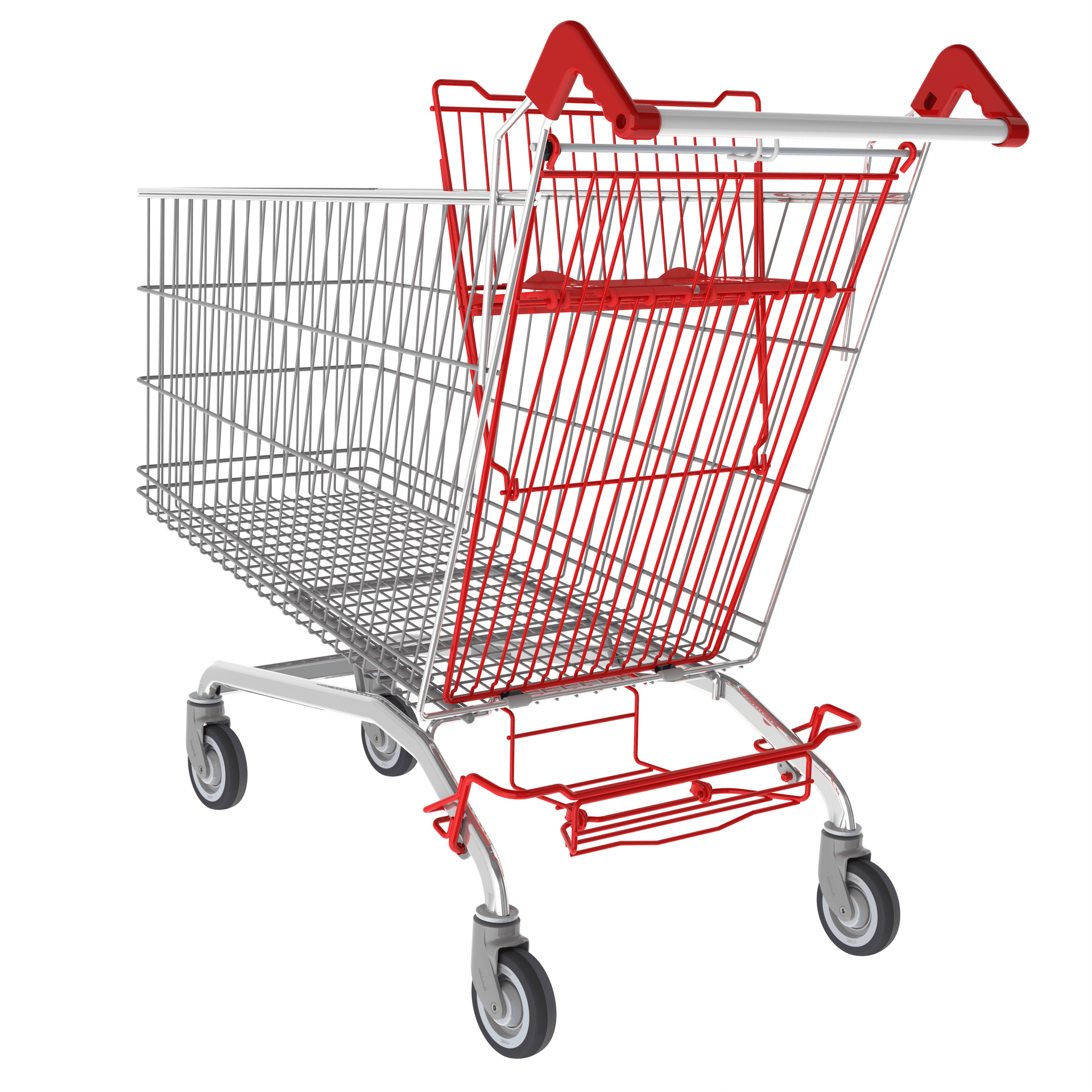
Photo: Roger McLassus. via Wikimedia Commons (CC BY-SA 3.0).

Related stories
Why a Spending Surge Doesn’t Mean Households Feel Rich
A strong month for consumer spending can sound like a victory lap, but many Americans know the difference between buying more and feeling financially comfortable. The real story is how households keep spending while staying cautious everywhere else.

What Empty Parking Lots Can Tell You About Shifting Spending Habits
Consumer confidence doesn’t always show up in headlines first. Sometimes the clearest clues are quieter: lighter shopping traffic, more selective purchases, and households stretching the life of what they already own.
Why Shoppers Keep Opening Their Wallets Even When Prices Still Sting
Americans are still spending, but that doesn’t mean household budgets feel comfortable. The real story is how people are getting more selective, stretching timing, and redefining what counts as a worthwhile purchase.