Why a Recession Warning Usually Starts at the Checkout Line
Big economic calls can feel abstract, but everyday spending habits often tell the more useful story. For households, the real value of recession talk is not panic—it's using the warning to tighten weak spots before higher costs or slower hiring do it for you.
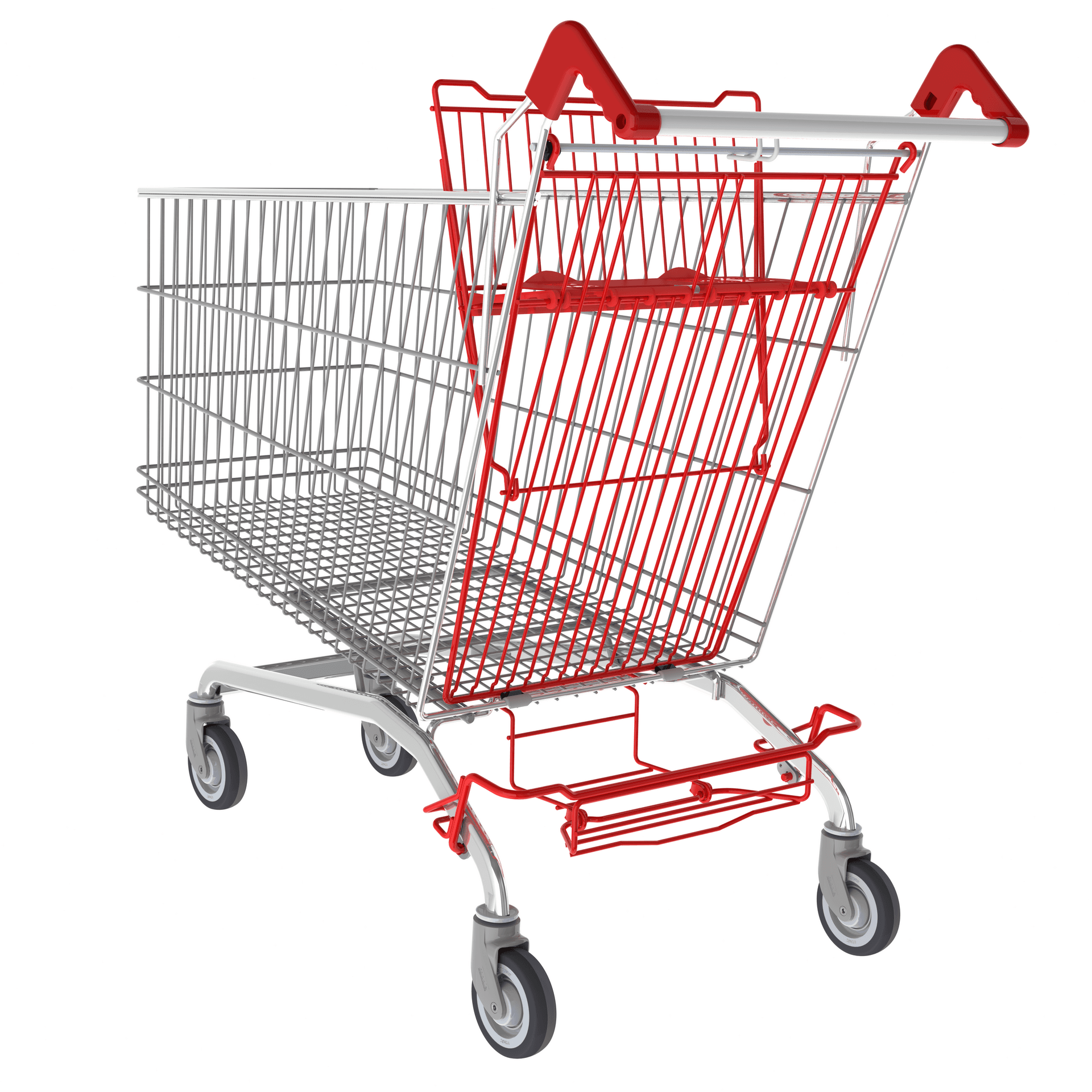
When recession chatter heats up, most people hear it as cable-news noise until it shows up in ordinary places: a smaller grocery run, a delayed road trip, a decision to keep the old phone one more year. That is why consumer behavior matters more than dramatic market commentary. Households usually send the earliest practical signal that something is changing, because people cut wants before they are forced to cut needs.
For readers, the useful takeaway is not to start panic-saving or cancel every small pleasure. It is to look for where your budget is already acting cautious. If you are leaning harder on store brands, postponing furniture, eating out less, or carrying credit card balances longer, those are not personal failures. They are signs that the economy feels tighter at ground level, even before an official downturn arrives.
This is also the moment to separate smart frugality from false economy. Stocking up on staples you already use, comparing insurance rates, and trimming recurring subscriptions can create real breathing room. On the other hand, fear-buying random bulk items, locking into expensive payment plans, or draining cash reserves to chase a 'deal' usually backfires. A shaky economy rewards flexibility more than flashy bargain hunting.
If recession warnings keep spreading, the best response is boring on purpose: protect cash flow, avoid new debt that does not solve a real problem, and make your home budget a little more resilient than it was last month. Most people cannot control hiring cycles or interest rates, but they can control how exposed they are when the mood shifts. The checkout line, not the trading floor, is where that preparation starts to matter.
Photo: Caddiedrusenheim via Wikimedia Commons (CC BY-SA 4.0).

Related stories
Why a Spending Surge Doesn’t Mean Households Feel Rich
A strong month for consumer spending can sound like a victory lap, but many Americans know the difference between buying more and feeling financially comfortable. The real story is how households keep spending while staying cautious everywhere else.

What Empty Parking Lots Can Tell You About Shifting Spending Habits
Consumer confidence doesn’t always show up in headlines first. Sometimes the clearest clues are quieter: lighter shopping traffic, more selective purchases, and households stretching the life of what they already own.
Why Shoppers Keep Opening Their Wallets Even When Prices Still Sting
Americans are still spending, but that doesn’t mean household budgets feel comfortable. The real story is how people are getting more selective, stretching timing, and redefining what counts as a worthwhile purchase.