Why a Strong Spending Month Doesn’t Mean Your Budget Feels Strong
A big month for consumer spending can look healthy on paper while still leaving households feeling stretched. For many Americans, the real story is not splurging, but paying more to keep everyday life moving.
When economists celebrate a strong month for consumer spending, it can sound like everyone is confidently opening their wallets again. In real life, a lot of households are not spending because they feel flush. They are spending because groceries, insurance, utilities, eating out, and routine family logistics keep demanding cash, whether the mood is optimistic or not.
That is why these reports can feel disconnected from daily life. Higher spending does not automatically mean better financial breathing room. It can just as easily mean consumers are absorbing another round of higher costs, replacing something that broke, catching up on delayed purchases, or leaning into small comforts because the big-ticket dreams still feel out of reach.
For shoppers, the practical takeaway is to stop using the broader economy as a mirror for your own budget. A strong national number should not pressure anyone into acting as if now is the perfect time to upgrade everything. If your monthly essentials have crept up, the smarter move is still the boring one: track the categories that quietly expand first, especially food, subscriptions, and convenience spending that feels minor in the moment.
The more useful question is not whether Americans are spending. It is whether that spending is buying more ease, more stability, or more value. If it is not, this is a good season to get pickier. Trade enthusiasm for selectivity, keep some room in the budget for surprise costs, and treat every “normal” purchase as something worth comparing before you tap to pay.
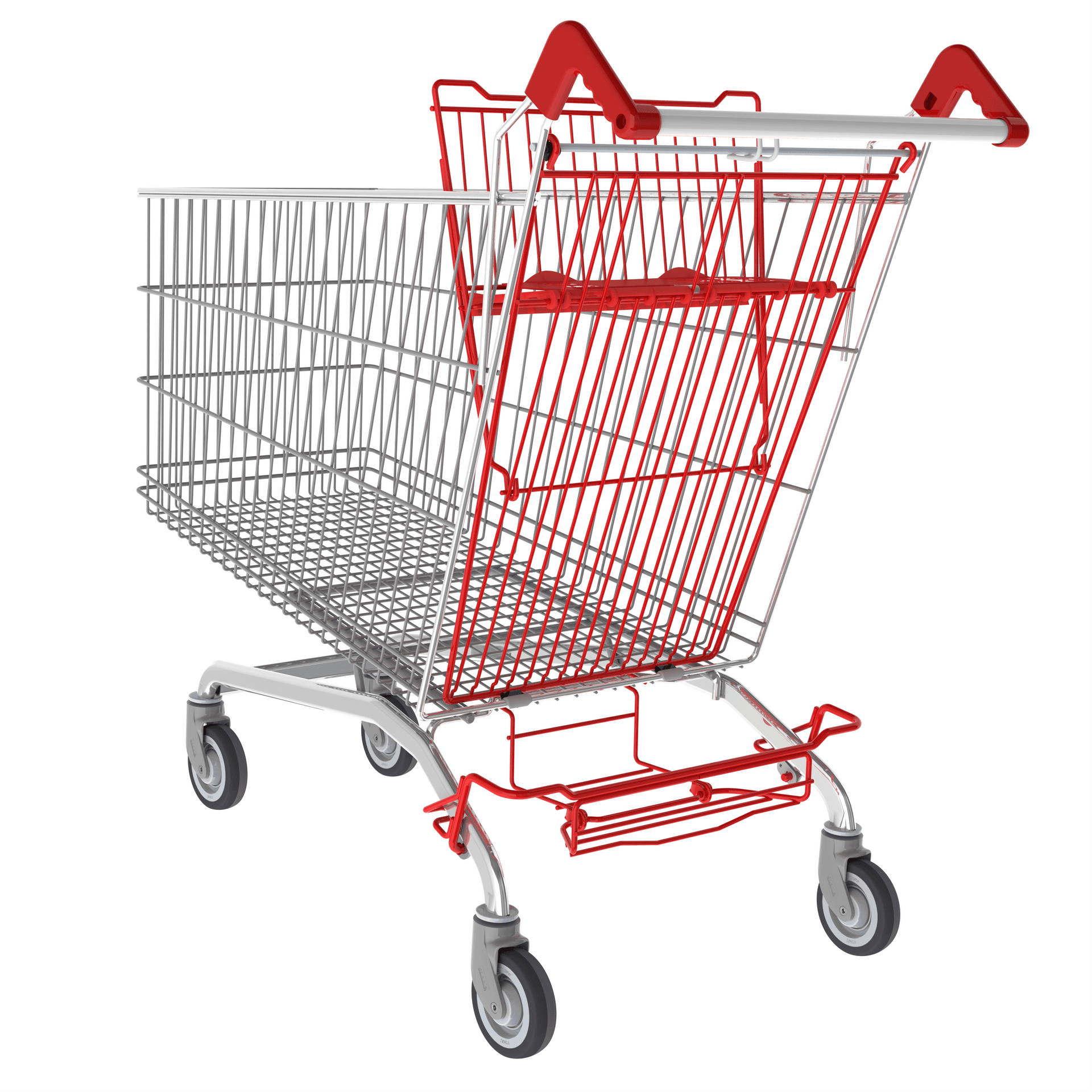
Photo: Caddiedrusenheim via Wikimedia Commons (CC BY-SA 4.0).

Related stories
Why a Spending Surge Doesn’t Mean Households Feel Rich
A strong month for consumer spending can sound like a victory lap, but many Americans know the difference between buying more and feeling financially comfortable. The real story is how households keep spending while staying cautious everywhere else.

What Empty Parking Lots Can Tell You About Shifting Spending Habits
Consumer confidence doesn’t always show up in headlines first. Sometimes the clearest clues are quieter: lighter shopping traffic, more selective purchases, and households stretching the life of what they already own.
Why Shoppers Keep Opening Their Wallets Even When Prices Still Sting
Americans are still spending, but that doesn’t mean household budgets feel comfortable. The real story is how people are getting more selective, stretching timing, and redefining what counts as a worthwhile purchase.