Why Better Video Compression Matters More Than Your Next TV Upgrade
The biggest quality boost for most households may not come from buying a new screen, but from smarter video compression behind the scenes. When streaming gets more efficient, viewers feel it in fewer hiccups, cleaner picture quality, and less pressure on home internet caps.
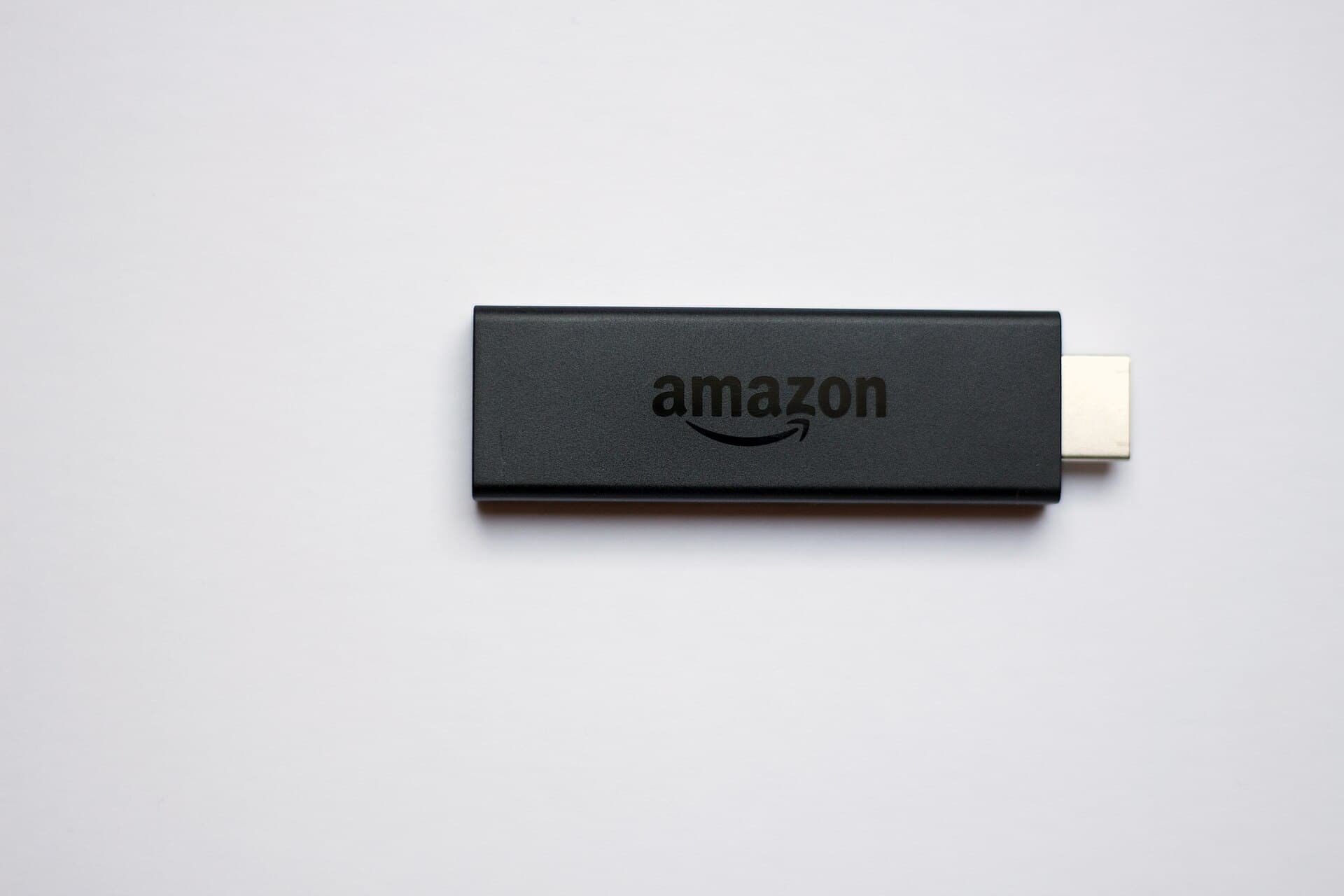
Most people notice streaming quality only when it goes wrong. The movie gets blurry during a dark scene, live sports turn blocky at the worst moment, or a supposedly high-definition show still looks oddly flat. That’s why advances in video compression matter so much: they decide how efficiently services can deliver better-looking video without demanding ever-faster internet from every household.
For US viewers, this is less about tech bragging rights and more about everyday convenience. Plenty of families are still juggling multiple devices on one Wi-Fi network, dealing with uneven broadband, or watching their data use more closely than tech companies assume. If video can be packed more intelligently, streaming platforms can offer smoother playback and sharper images without turning every evening into a bandwidth competition.
There’s also a practical consumer angle here that gets overlooked. People are often pushed toward expensive hardware upgrades when the real bottleneck is delivery. A nicer TV can help, but it won’t fix a weak stream. Better compression can make current devices feel newer for longer, which is a rare kind of tech progress that may actually save consumers money instead of nudging them toward another purchase.
The catch, of course, is that consumers rarely get to shop directly for compression technology. It shows up indirectly in the apps and services we already use, and the benefits may arrive unevenly. Still, this is the kind of behind-the-scenes improvement worth paying attention to, because when the plumbing of streaming gets better, everyday entertainment gets cheaper, easier, and a little less frustrating.
Photo: www.hdmi-experte.com via Wikimedia Commons (CC BY 4.0).

Related stories

The Smartest Way to Shop New Tech Right Now
The newest gadget drop is always tempting, but the best buy is often the device that solves one daily annoyance without adding three new ones. For US shoppers, this is a good moment to focus on comfort, compatibility, and how long a product will still feel useful after the hype fades.

Why Chip Revenue Swings Matter to Everyday Tech Shoppers
Wall Street watches chip-company revenue for clues about the future, but regular consumers can read the same signals in a more practical way. When memory and mobile-chip demand shifts, it often shows up later in laptop deals, phone upgrades, and the timing of big tech purchases.

Why AI Money News Matters to Regular Tech Shoppers
Big funding rounds and IPO chatter can feel distant, but they often shape the apps, devices, and subscriptions Americans use every day. The real question is whether the next wave of AI competition brings better tools or just higher monthly bills.