Why Campus Tech Events Feel More Exciting When They Sound Good
When schools mix live performance with hands-on technology, the result feels less like a lecture and more like a reason to show up. That blend can make innovation feel practical, social, and easier to explore.

A lot of technology events struggle with the same problem: they ask people to care before they have given them a reason to feel anything. Add music, performance, or visual spectacle, and suddenly the room changes. People who might never attend a coding demo or engineering talk will show up for an experience, and that makes the tech itself easier to discover.
For students and families, that mix is more useful than it sounds. Not every future job in technology starts with a robotics kit or a computer science class. Sometimes interest begins with lighting, sound design, digital art, live production, or the software that quietly runs a performance. When campuses treat technology as part of culture instead of a separate universe, they open more realistic doors for people who do not already see themselves as 'tech people.'
There is also a practical lesson here for schools and communities: if you want public-facing innovation to matter, make it social. People remember the event they attended with friends far more than the abstract promise of future disruption. A festival atmosphere can do something a slide deck cannot by showing how tools work in real time, around real audiences, with real creative stakes.
That is why these hybrid campus events feel worth paying attention to. They present technology less as a cold pipeline and more as a set of skills woven into everyday life, entertainment, and local identity. For readers looking for meaningful, low-pressure ways to engage with new tools, this kind of gathering is often more inviting than any formal expo.
Photo: Thesupermat via Wikimedia Commons (CC BY-SA 3.0).

Related stories
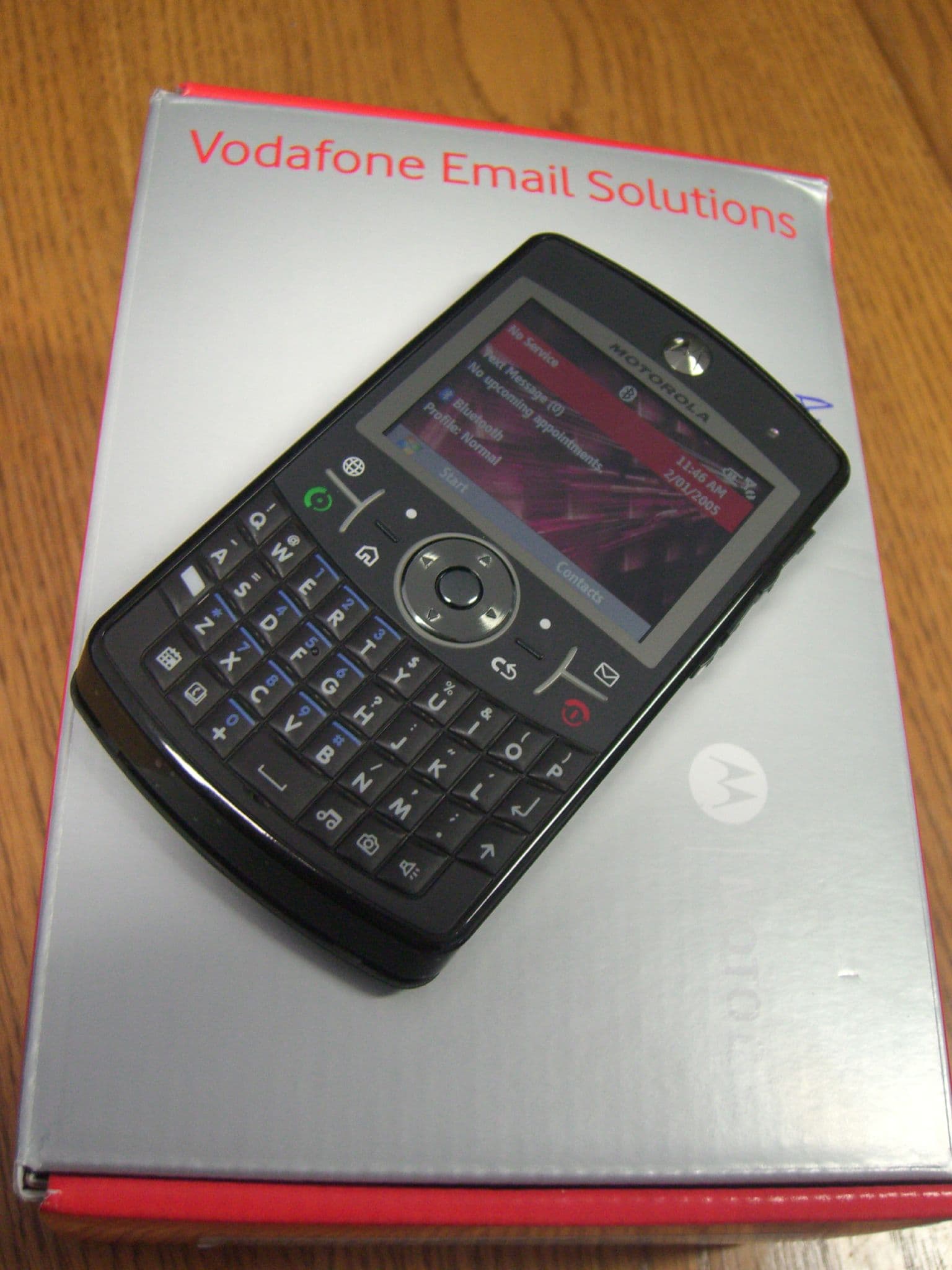
The Smartest Way to Shop New Tech Right Now
The newest gadget drop is always tempting, but the best buy is often the device that solves one daily annoyance without adding three new ones. For US shoppers, this is a good moment to focus on comfort, compatibility, and how long a product will still feel useful after the hype fades.

Why Chip Revenue Swings Matter to Everyday Tech Shoppers
Wall Street watches chip-company revenue for clues about the future, but regular consumers can read the same signals in a more practical way. When memory and mobile-chip demand shifts, it often shows up later in laptop deals, phone upgrades, and the timing of big tech purchases.
Why AI Money News Matters to Regular Tech Shoppers
Big funding rounds and IPO chatter can feel distant, but they often shape the apps, devices, and subscriptions Americans use every day. The real question is whether the next wave of AI competition brings better tools or just higher monthly bills.