Why Household Budgets Feel Looser and Tighter at the Same Time
Shoppers aren’t simply spending more or less—they’re reshuffling priorities in ways that make everyday life look contradictory. For US households, the real takeaway is how quickly small budget decisions become lifestyle signals.
A lot of spending stories get framed as a simple mood swing: consumers are either confident and buying, or stressed and pulling back. Real life is messier. Plenty of households are cutting obvious extras while still making room for the categories that protect routine, convenience, or a sense of normal life. That’s why the economy can look uneven from the checkout line—people may skip one big discretionary purchase, then keep paying for meal shortcuts, small treats, or services that save time.
For US readers, this matters because it explains why your own budget may feel both disciplined and indulgent. A family can postpone furniture, drive the old car another year, and still spend freely on travel for a specific event, better groceries, or subscriptions they actually use every week. That isn’t irrational; it’s triage. When money feels more expensive, people tend to defend the purchases that reduce friction and cut the ones that can be delayed without immediate pain.
The practical lesson is to stop judging your spending by category labels alone. ‘Essentials’ can quietly bloat, and ‘non-essentials’ can sometimes earn their keep if they replace a larger cost or make daily life more manageable. The smarter question is whether a purchase solves a recurring problem, gets used often, or prevents pricier habits from creeping in elsewhere. That lens is more useful than pretending every budget decision fits neatly into needs versus wants.
Retailers and brands are already responding to this kind of selective spending, and shoppers should do the same. If you know your household is in a season of careful tradeoffs, lean into intention instead of guilt. Keep the spending that delivers stability, cut the habits that run on autopilot, and accept that modern thrift often looks less like total deprivation and more like choosing a few things to care about very clearly.
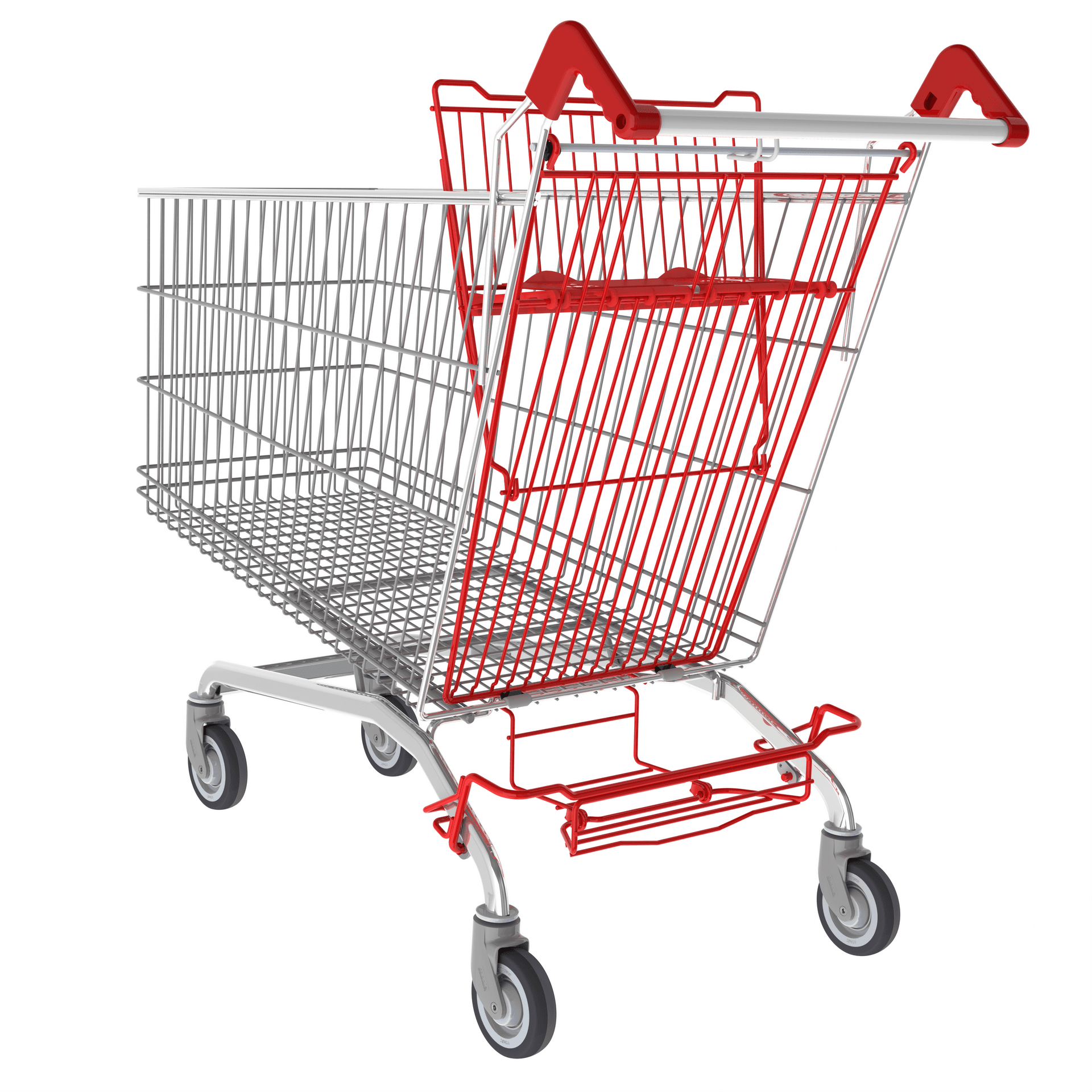
Photo: Caddiedrusenheim via Wikimedia Commons (CC BY-SA 4.0).

Related stories
Why a Spending Surge Doesn’t Mean Households Feel Rich
A strong month for consumer spending can sound like a victory lap, but many Americans know the difference between buying more and feeling financially comfortable. The real story is how households keep spending while staying cautious everywhere else.

What Empty Parking Lots Can Tell You About Shifting Spending Habits
Consumer confidence doesn’t always show up in headlines first. Sometimes the clearest clues are quieter: lighter shopping traffic, more selective purchases, and households stretching the life of what they already own.
Why Shoppers Keep Opening Their Wallets Even When Prices Still Sting
Americans are still spending, but that doesn’t mean household budgets feel comfortable. The real story is how people are getting more selective, stretching timing, and redefining what counts as a worthwhile purchase.