Why Households Are Still Spending Even When the Economy Feels Uneven
Business headlines may sound mixed, but many Americans are still making room for purchases that feel useful, time-saving, or hard to delay. The real story is less about confidence and more about where people think their money still works.
A slower-growth economy does not always look like a full retreat in everyday life. People may postpone big upgrades, skip a few extras, or trade down on brands, but they still spend when something feels necessary, efficient, or worth the stress it saves. That helps explain why consumer demand can stay surprisingly steady even when the broader mood is cautious.
The same split shows up in business spending. Companies may hesitate on expansion, hiring, or long-term bets, yet still pour money into tools that promise productivity. Right now, that means a lot of attention on AI, not because every new tool is magical, but because managers are under pressure to do more without letting costs run wild. When growth cools, anything marketed as a shortcut gets a warmer reception.
For regular consumers, this is a useful reminder to read the economy through behavior, not vibes alone. A strong spending number does not mean households feel great; it can just mean bills still need paying, travel plans were already booked, or convenience keeps winning. Americans are getting more selective, not necessarily more frugal across the board, and that selectiveness is shaping what businesses can still sell.
The practical takeaway is simple: expect more of the market to revolve around justification. Products and services that save time, replace a headache, or feel defensible in a tighter budget will keep finding buyers. The splashy era of spending just because something is new looks weaker; the smarter pitch now is that a purchase earns its place fast.
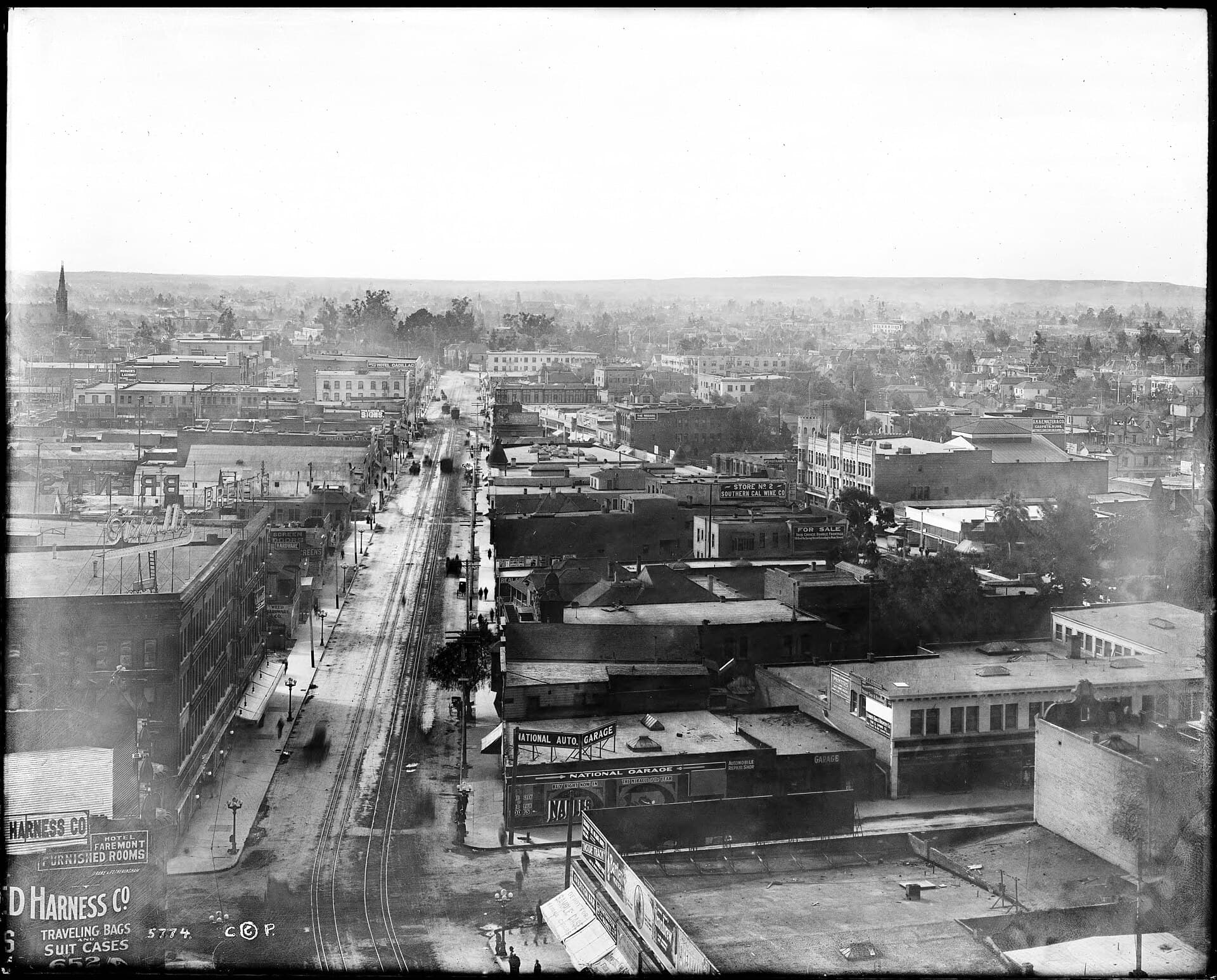
Photo: Unknown authorUnknown author via Wikimedia Commons (Public domain).
.jpg)
Related stories
Why a Spending Surge Doesn’t Mean Households Feel Rich
A strong month for consumer spending can sound like a victory lap, but many Americans know the difference between buying more and feeling financially comfortable. The real story is how households keep spending while staying cautious everywhere else.

What Empty Parking Lots Can Tell You About Shifting Spending Habits
Consumer confidence doesn’t always show up in headlines first. Sometimes the clearest clues are quieter: lighter shopping traffic, more selective purchases, and households stretching the life of what they already own.
Why Shoppers Keep Opening Their Wallets Even When Prices Still Sting
Americans are still spending, but that doesn’t mean household budgets feel comfortable. The real story is how people are getting more selective, stretching timing, and redefining what counts as a worthwhile purchase.