Why Pork Prices Can Feel Sticky Even When Shoppers Pull Back
Weak consumer spending doesn’t always translate into cheaper pork at the store. For households trying to stretch a grocery budget, it helps to watch cuts, timing, and substitutions instead of assuming prices will quickly ease.
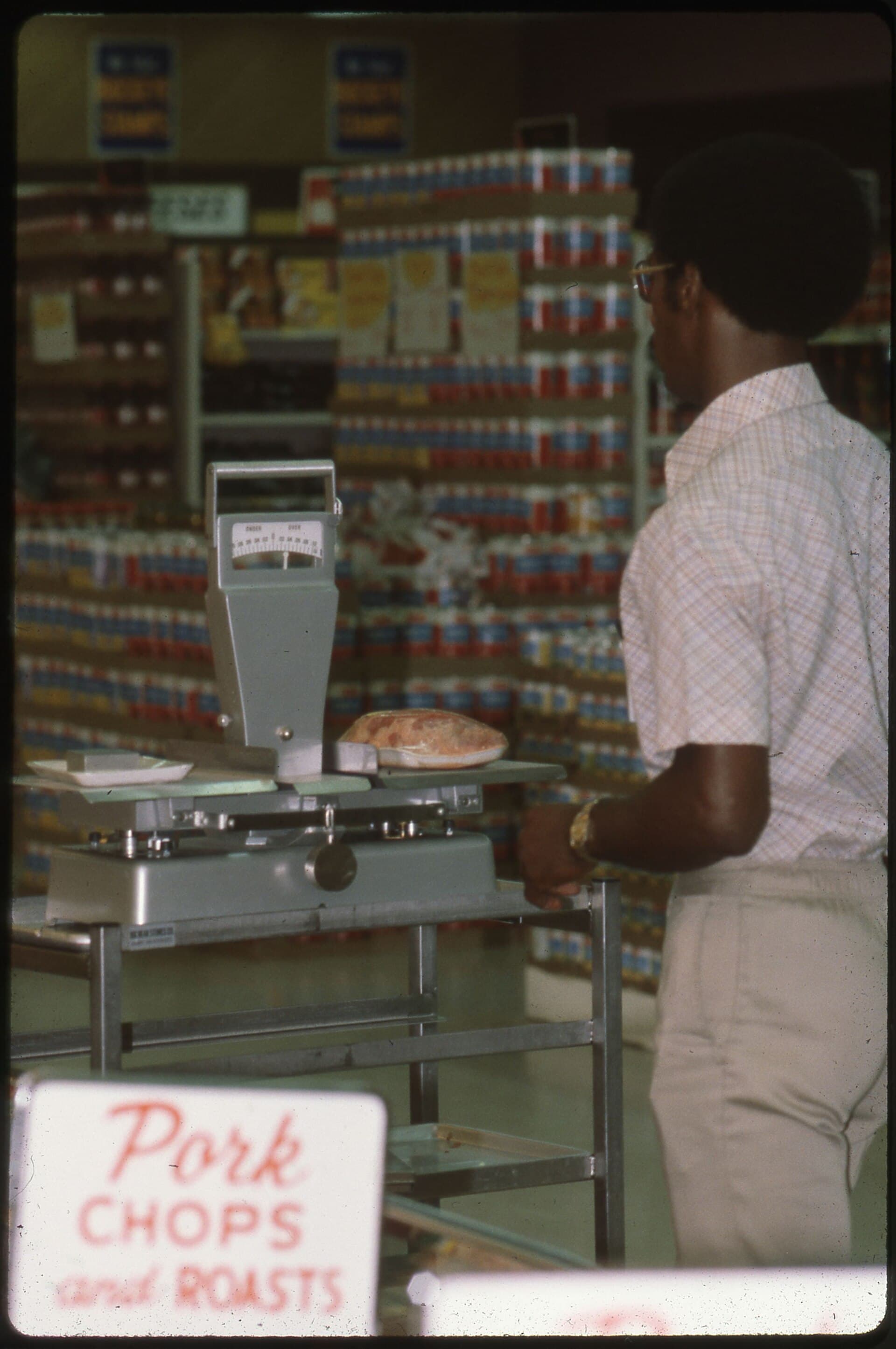
When people hear that consumer spending looks soft, the natural assumption is that meat prices should start falling right away. In real life, pork rarely works that neatly. Grocery prices reflect a chain of decisions that starts long before a package hits the refrigerated case, and those signals can stay firm even when shoppers are getting more cautious overall.
For regular households, the practical takeaway is simple: don’t wait for a big headline to magically improve the meat aisle. If pork is on your weekly list, value usually comes from being flexible about the cut. A loin roast, shoulder, or family-size pack can still offer better meal value than the most convenient tray, especially if you’re willing to portion and freeze at home.
This is also a good reminder that store pricing often lags the broader economy. Retailers, suppliers, and producers all move on different timelines, so a weaker mood among consumers may show up first in restaurant traffic, then in promotions, and only later in the supermarket. That’s why shoppers who pay attention to circulars and markdown timing often save more than shoppers who try to predict the whole market.
The smartest grocery strategy right now is less about forecasting pork futures and more about protecting your own budget. Compare pork against chicken, eggs, beans, or whatever protein is on promotion that week, and treat loyalty to one category as a luxury. When spending gets tighter, the best deal is usually the one that gives you the most meals, not the one that simply looks cheapest per package.
Photo: David Lucas via Wikimedia Commons (Public domain).

Related stories

Why a Spending Surge Doesn’t Mean Households Feel Rich
A strong month for consumer spending can sound like a victory lap, but many Americans know the difference between buying more and feeling financially comfortable. The real story is how households keep spending while staying cautious everywhere else.

What Empty Parking Lots Can Tell You About Shifting Spending Habits
Consumer confidence doesn’t always show up in headlines first. Sometimes the clearest clues are quieter: lighter shopping traffic, more selective purchases, and households stretching the life of what they already own.

Why Shoppers Keep Opening Their Wallets Even When Prices Still Sting
Americans are still spending, but that doesn’t mean household budgets feel comfortable. The real story is how people are getting more selective, stretching timing, and redefining what counts as a worthwhile purchase.