Why Pork Prices Can Feel Stubborn Even When Shoppers Pull Back
Soft spending data does not always translate into quick relief at the meat case. For shoppers, pork prices are shaped by a slower and more complicated chain than one bad consumer report.
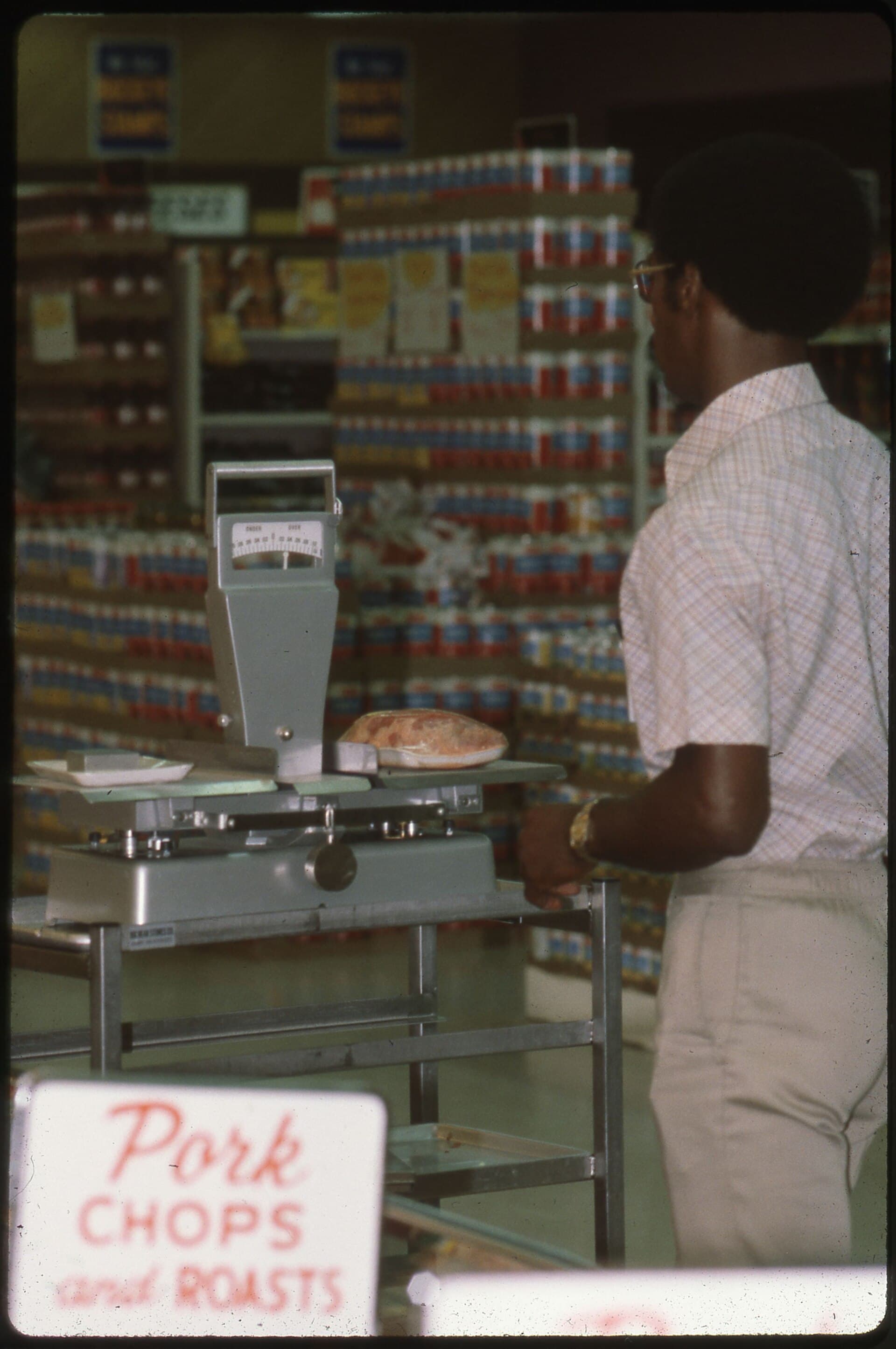
If you have ever looked at a grocery receipt and wondered why meat prices still feel high even when the economy seems to be cooling, pork is a good example of the disconnect. Market prices can stay firm even when consumer spending looks softer on paper, because food supply chains do not reset overnight and producers are reacting to longer-term costs, demand expectations, and seasonal buying patterns.
For regular households, the practical takeaway is simple: do not assume a weaker economic headline means instant grocery bargains. Pork prices at the store can lag what is happening in the broader economy, and different cuts move differently anyway. Bacon, chops, ribs, and pork shoulder each live in their own mini-market depending on restaurant demand, backyard grilling season, and how retailers choose to promote them.
This is also a reminder that the best grocery strategy is still flexible shopping, not economic prediction. If your usual pork staples are not on sale, it often pays to switch cuts, buy family packs only when you know you will freeze them, or rotate to whatever protein is getting the weekly ad treatment. A lot of shoppers waste money waiting for prices to make sense instead of adjusting one meal plan at a time.
The broader business story is that food markets can be surprisingly resilient even when consumers sound cautious. People may trade down, cook at home more, or skip impulse purchases before they stop buying staple proteins entirely. That helps explain why prices can feel sticky: demand changes, but it does not always disappear in the clean, immediate way many shoppers expect.
Photo: David Lucas via Wikimedia Commons (Public domain).

Related stories
Why a Spending Surge Doesn’t Mean Households Feel Rich
A strong month for consumer spending can sound like a victory lap, but many Americans know the difference between buying more and feeling financially comfortable. The real story is how households keep spending while staying cautious everywhere else.

What Empty Parking Lots Can Tell You About Shifting Spending Habits
Consumer confidence doesn’t always show up in headlines first. Sometimes the clearest clues are quieter: lighter shopping traffic, more selective purchases, and households stretching the life of what they already own.
Why Shoppers Keep Opening Their Wallets Even When Prices Still Sting
Americans are still spending, but that doesn’t mean household budgets feel comfortable. The real story is how people are getting more selective, stretching timing, and redefining what counts as a worthwhile purchase.