Why a Few Routine Reports Can Change the Mood of the Market
A fresh round of inflation and retail sales data may sound like inside-baseball finance news, but it shapes everything from borrowing costs to the tone of consumer spending. For regular households, the real question is whether shoppers are still buying freely or starting to pull back.
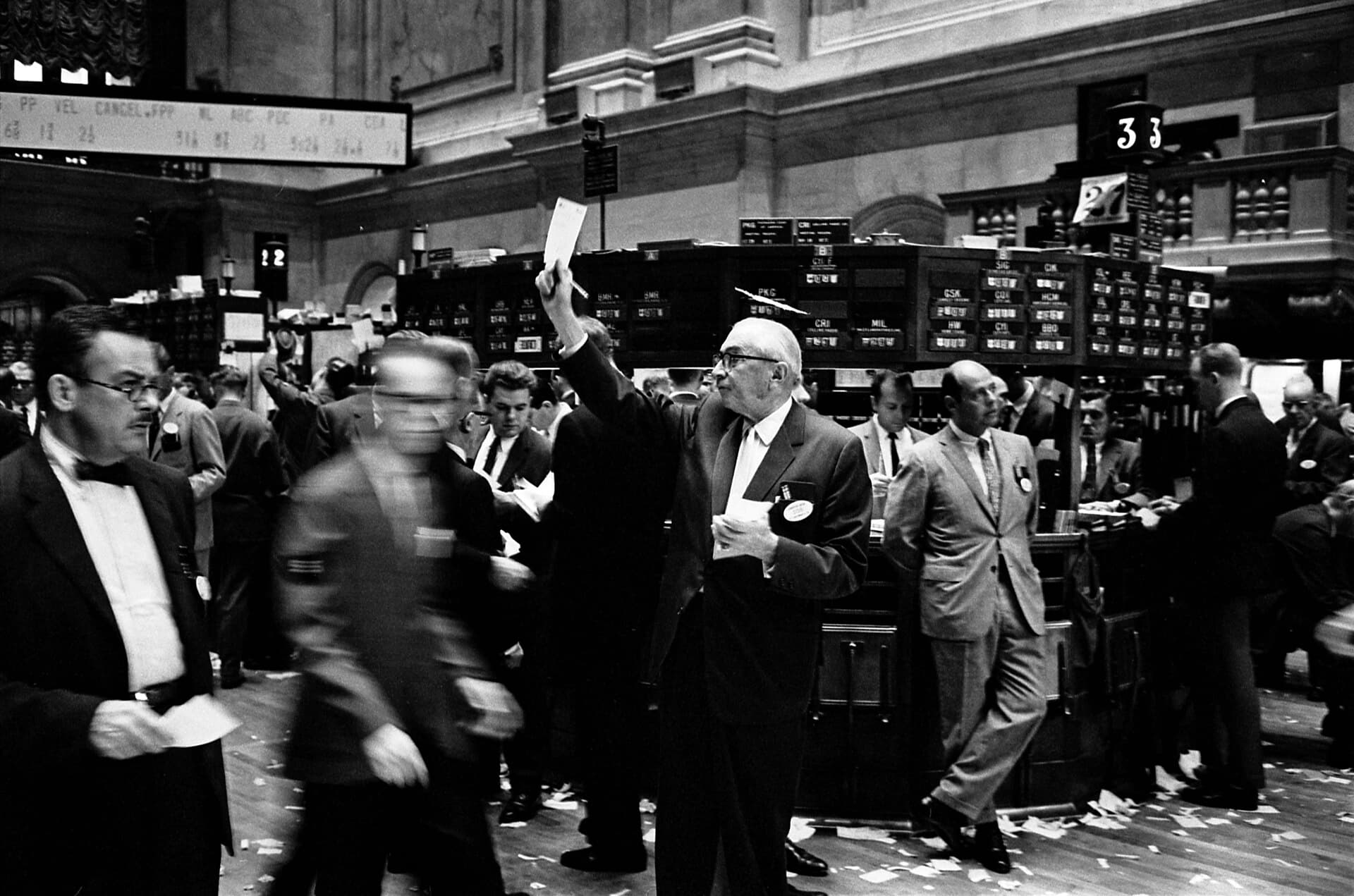
The market is heading into one of those weeks when ordinary-sounding economic reports can suddenly feel very personal. Inflation and retail sales data are not just Wall Street scorecards; they help set the mood for interest rates, credit costs, and the confidence businesses have about what Americans will spend next. Even people who never check the Dow end up living with the consequences.
Retail sales matter because they offer a quick read on how comfortable consumers really feel. If shoppers are still opening their wallets, companies can tell a story about resilience. If spending looks softer, investors start asking whether households are getting tired of higher prices, tighter budgets, and expensive borrowing. That shift in tone can hit everything from retail stocks to expectations for hiring and expansion.
Inflation data carries a similar double meaning. Cooler price pressure can calm markets because it suggests less need for aggressive rate policy, but stubborn inflation keeps everyone on edge. For households, this is where the business story crosses into daily life: mortgage rates, car loans, credit card balances, and even how retailers plan promotions all react to the same broader signals.
The practical takeaway is not to treat these reports like casino results, but as clues about the direction of the real economy. If markets swing this week, the bigger point is what those moves are saying about consumer strength and pricing pressure. In plain English, Wall Street will be trying to answer the same question many families are asking at home: are things settling down, or still getting harder to afford?
Photo: Thomas J. O'Halloran via Wikimedia Commons (Public domain).

Related stories

Why a Spending Surge Doesn’t Mean Households Feel Rich
A strong month for consumer spending can sound like a victory lap, but many Americans know the difference between buying more and feeling financially comfortable. The real story is how households keep spending while staying cautious everywhere else.

What Empty Parking Lots Can Tell You About Shifting Spending Habits
Consumer confidence doesn’t always show up in headlines first. Sometimes the clearest clues are quieter: lighter shopping traffic, more selective purchases, and households stretching the life of what they already own.

Why Shoppers Keep Opening Their Wallets Even When Prices Still Sting
Americans are still spending, but that doesn’t mean household budgets feel comfortable. The real story is how people are getting more selective, stretching timing, and redefining what counts as a worthwhile purchase.