Why Sea Drones Matter Long Before Most Americans Notice Them
Autonomous tech on the water may sound remote, but it points to bigger questions about shipping, safety, and how much decision-making we hand to machines. For US readers, this is less sci-fi than a preview of everyday infrastructure debates.
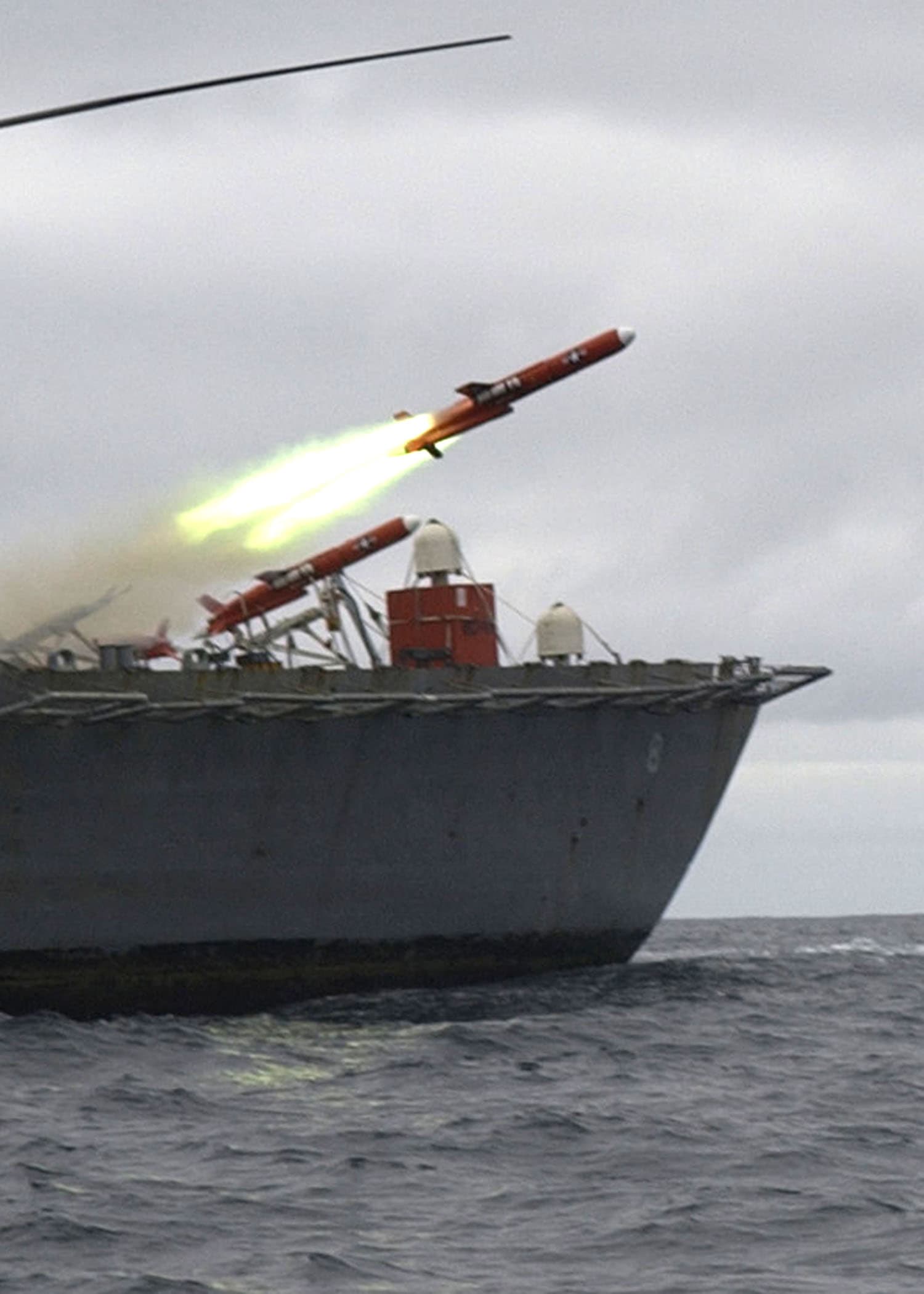
Autonomous systems moving into the ocean can sound like a niche military story, but it lands closer to home than many people think. The same sensors, navigation software, and remote-control tools that make unmanned vessels possible also shape commercial shipping, port operations, coastal monitoring, and search missions. When new technology proves itself in high-stakes environments, it rarely stays there for long.
For Americans, the practical question is not whether more autonomy is coming to the water. It is who sets the rules before the technology becomes ordinary. A boat or underwater craft guided partly by software raises the same issues people already debate with self-driving cars and delivery robots: what counts as acceptable risk, who is accountable when systems fail, and how much human oversight is enough when conditions change fast.
There is also a consumer angle hiding inside this defense-heavy conversation. Ports, shipping lanes, and coastal infrastructure are part of the supply chain behind everything from electronics to groceries. If automation eventually makes parts of maritime work faster, safer, or cheaper, that could ripple outward. But the opposite is also true: rushed deployment, weak safeguards, or overconfidence in autonomous decision-making can create expensive disruptions that regular households end up feeling.
The smartest stance is probably neither panic nor blind excitement. Water is an unforgiving environment, and that is exactly why this technology deserves public attention early. Americans do not need to become naval experts to care about autonomous systems at sea; they just need to recognize a familiar pattern. First the machines arrive in specialized settings, then the policy arguments follow, and eventually the rest of us discover the consequences in daily life.
Photo: U.S. Navy photo by Photographer's Mate 1st Class Marthaellen L. Ball. via Wikimedia Commons (Public domain).
.jpg)
Related stories
The Smartest Way to Shop New Tech Right Now
The newest gadget drop is always tempting, but the best buy is often the device that solves one daily annoyance without adding three new ones. For US shoppers, this is a good moment to focus on comfort, compatibility, and how long a product will still feel useful after the hype fades.

Why Chip Revenue Swings Matter to Everyday Tech Shoppers
Wall Street watches chip-company revenue for clues about the future, but regular consumers can read the same signals in a more practical way. When memory and mobile-chip demand shifts, it often shows up later in laptop deals, phone upgrades, and the timing of big tech purchases.

Why AI Money News Matters to Regular Tech Shoppers
Big funding rounds and IPO chatter can feel distant, but they often shape the apps, devices, and subscriptions Americans use every day. The real question is whether the next wave of AI competition brings better tools or just higher monthly bills.