Why Shoppers Are Doing the Math Before Every Cart
When big retailers, spending reports, and hiring data all hint at strain, the takeaway for households is simple: people are becoming more selective. This is less about panic than about a new everyday discipline around essentials, timing, and trade-offs.
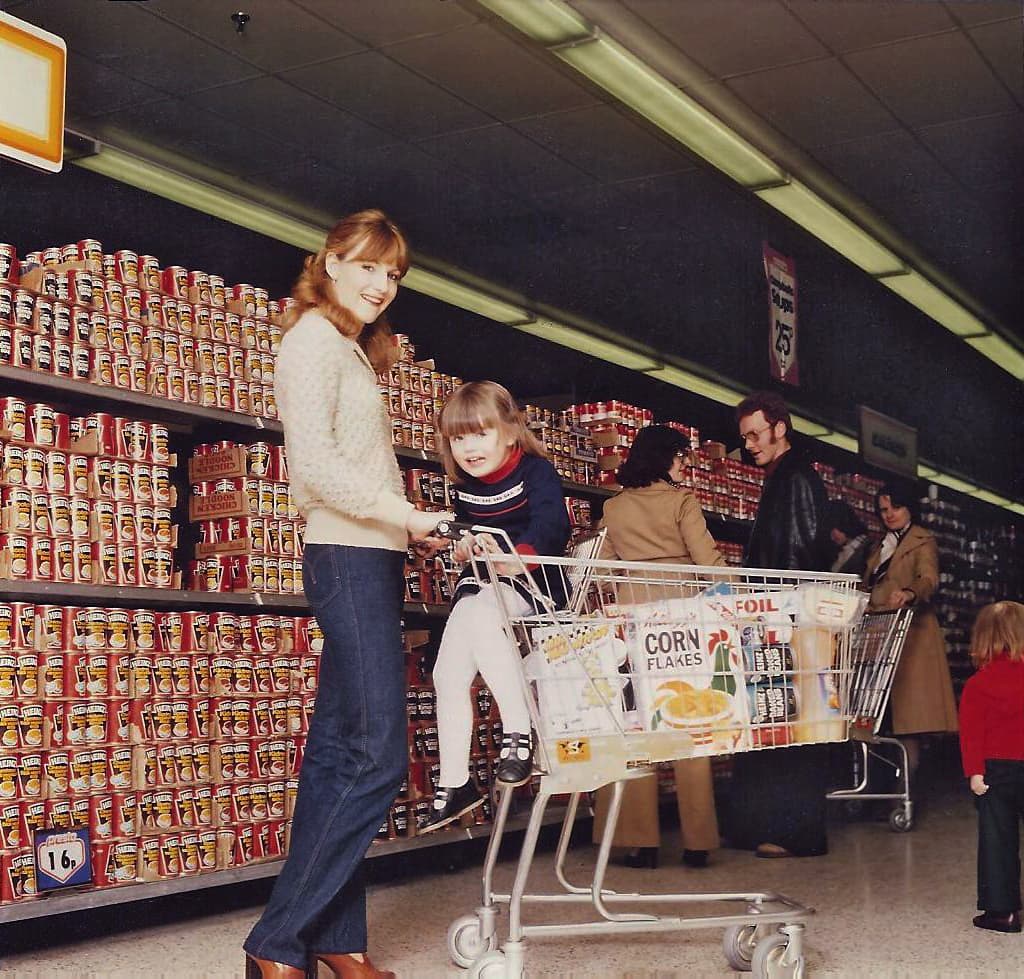
You can feel the mood of the economy in the checkout line long before it shows up in a polished forecast. When shoppers start hesitating over basics, swapping brands, or splitting purchases across stores, it usually means budgets are under pressure in a very ordinary, very real way. That kind of stress does not always look dramatic; more often it looks like a family deciding that convenience is suddenly too expensive.
For readers, the practical lesson is not to treat every spending slowdown as a crisis, but to notice how quickly small habits matter. A weekly grocery trip, a back-to-school run, or a household restock can swing based on timing, coupons, and whether you are buying wants alongside needs. In periods like this, the smartest shoppers are not necessarily buying less across the board. They are buying with more intention.
That shift is also a reminder that discount culture is no longer niche behavior. Comparing unit prices, waiting a few days before clicking buy, and choosing store brands are mainstream survival skills now, not signs that someone is failing financially. If anything, the current moment rewards people who can separate routine spending from emotional spending, especially when headlines make everything feel urgent.
The bigger business story is that consumer strain changes what counts as a good value. Retailers can still win, but only if they respect how carefully people are weighing each purchase. For households, that means this is a good time to rebuild boring financial reflexes: make the list, check the pantry, delay the impulse buy, and save brand loyalty for the products that genuinely earn it.
Photo: Debbie Mc via Wikimedia Commons (CC BY 2.0).

Related stories

Why a Spending Surge Doesn’t Mean Households Feel Rich
A strong month for consumer spending can sound like a victory lap, but many Americans know the difference between buying more and feeling financially comfortable. The real story is how households keep spending while staying cautious everywhere else.

What Empty Parking Lots Can Tell You About Shifting Spending Habits
Consumer confidence doesn’t always show up in headlines first. Sometimes the clearest clues are quieter: lighter shopping traffic, more selective purchases, and households stretching the life of what they already own.

Why Shoppers Keep Opening Their Wallets Even When Prices Still Sting
Americans are still spending, but that doesn’t mean household budgets feel comfortable. The real story is how people are getting more selective, stretching timing, and redefining what counts as a worthwhile purchase.