Why ‘Steady’ Can Feel Like a Win on Main Street
For small businesses, a flat month doesn’t always mean stagnation. In a high-cost economy, consistency can be its own kind of progress for owners and shoppers alike.
A steady month for small business sales may not sound exciting, but for many owners, boring is better than brutal. After years of uneven demand, higher operating costs, and customers who think twice before every extra purchase, consistency can be a relief. It suggests that people are still showing up for the haircut, the lunch special, the gift shop browse, and the last-minute service call.
For shoppers, this kind of stability matters more than it gets credit for. When neighborhood businesses can count on a reasonably dependable stream of sales, they are less likely to make desperate changes that customers feel immediately, like shorter hours, thinner staffing, or cutting the products people actually come in for. A steady local economy often looks ordinary from the outside, but it helps keep daily life convenient.
There’s also a practical lesson here for consumers trying to stretch their own budgets. Many households are still cautious, but they haven’t stopped spending altogether; they’re just spending more deliberately. That favors businesses that are clear about value, easy to navigate, and good at the basics. In other words, this is not a flashy moment for small business, but it can be a healthy one for operators who focus on reliability instead of hype.
The bigger takeaway is that modest growth and stable sales are not signs to ignore. They show a local marketplace that is still functioning, even if nobody is throwing a parade for it. In a period when both businesses and customers are learning to live with tighter margins, staying steady may be one of the most realistic forms of momentum.
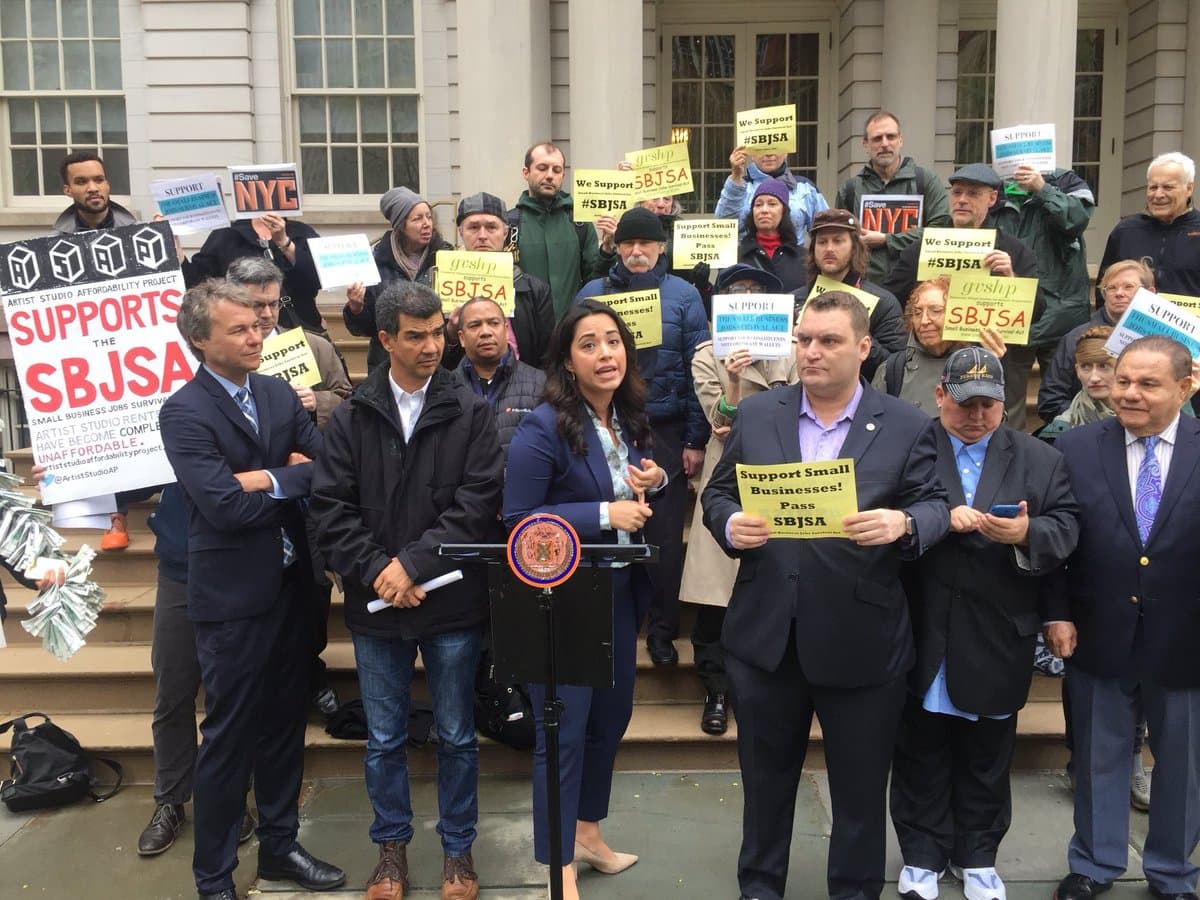
Photo: Greenwich Village Society for Historic Preservation via Wikimedia Commons (CC BY 2.0).
_(40802899005).jpg)
Related stories
Why a Spending Surge Doesn’t Mean Households Feel Rich
A strong month for consumer spending can sound like a victory lap, but many Americans know the difference between buying more and feeling financially comfortable. The real story is how households keep spending while staying cautious everywhere else.

What Empty Parking Lots Can Tell You About Shifting Spending Habits
Consumer confidence doesn’t always show up in headlines first. Sometimes the clearest clues are quieter: lighter shopping traffic, more selective purchases, and households stretching the life of what they already own.
Why Shoppers Keep Opening Their Wallets Even When Prices Still Sting
Americans are still spending, but that doesn’t mean household budgets feel comfortable. The real story is how people are getting more selective, stretching timing, and redefining what counts as a worthwhile purchase.