Why Your Next Gadget Might Feel More Expensive Before It Feels Smarter
As tech brands race to add more AI features, the less glamorous parts inside our devices are getting squeezed. For shoppers, that can mean tougher choices, slower upgrade cycles, and a better reason to buy for reliability instead of hype.
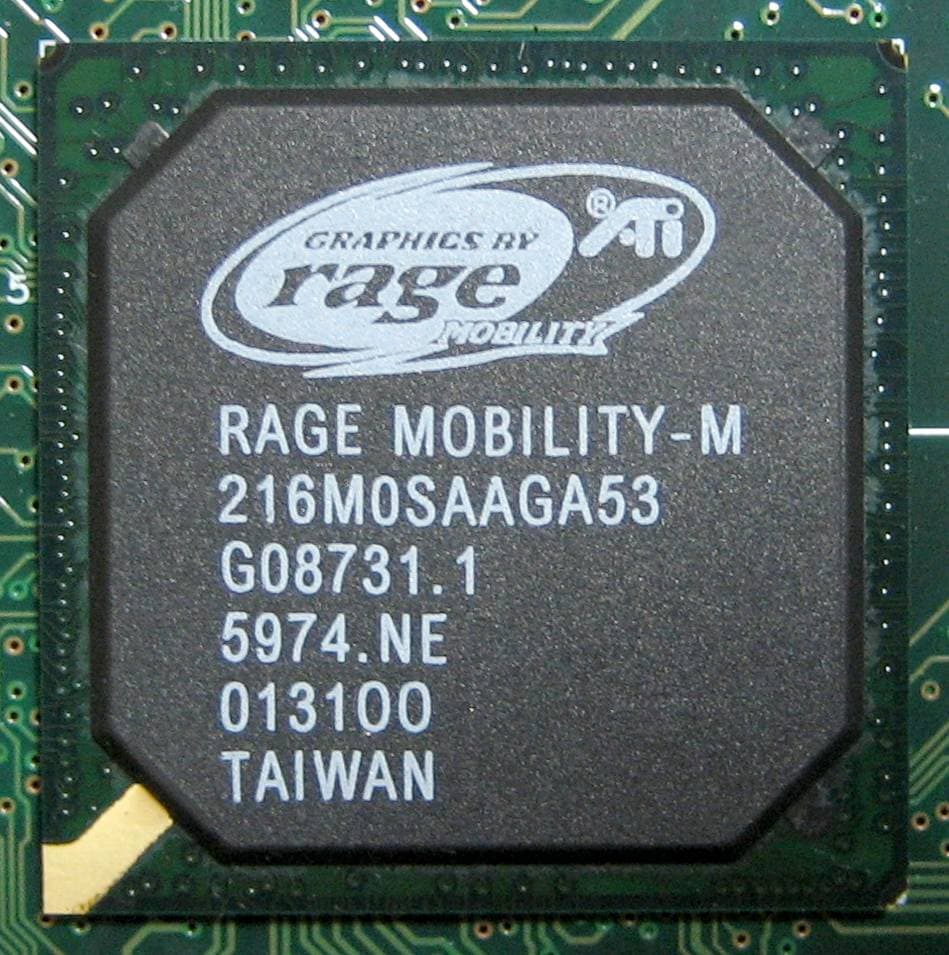
The flashy part of the current tech cycle is easy to spot: every phone, laptop, and app wants to sell you on smarter features. The less visible story is that all of that computing ambition depends on memory and storage, and those parts don’t magically appear just because marketing says the future is here. When demand tightens, everyday consumer gadgets can start feeling oddly compromised, whether that shows up as thinner base models, fewer discounts, or upgrades that suddenly seem less generous than they did a year ago.
For regular buyers, this is a good moment to look past the headline feature and pay attention to the practical spec sheet. If you keep devices for several years, memory and storage are not boring details; they are the difference between a machine that stays useful and one that starts feeling cramped after a few software updates. A device advertised around AI tricks may still be a bad value if the everyday experience suffers from limited room to multitask, save photos, or run newer tools comfortably.
This is also where shoppers can push back on the industry’s favorite habit: selling the future while charging extra for basics. If brands want consumers to embrace more demanding software, they should not treat adequate memory as a luxury add-on. The smartest buy right now is often the model that offers solid everyday capacity and a longer useful life, even if its splashiest feature set feels slightly less futuristic.
In other words, the AI rush may make some devices sound more advanced while making the shopping process more old-fashioned. You have to compare configurations carefully, watch for weak base specs, and decide whether a premium upgrade actually improves daily life. In a market obsessed with what gadgets can someday do, the best deal may be the one that handles today’s needs without cutting corners inside.
Photo: Qurren via Wikimedia Commons (CC BY-SA 3.0).

Related stories
The Smartest Way to Shop New Tech Right Now
The newest gadget drop is always tempting, but the best buy is often the device that solves one daily annoyance without adding three new ones. For US shoppers, this is a good moment to focus on comfort, compatibility, and how long a product will still feel useful after the hype fades.

Why Chip Revenue Swings Matter to Everyday Tech Shoppers
Wall Street watches chip-company revenue for clues about the future, but regular consumers can read the same signals in a more practical way. When memory and mobile-chip demand shifts, it often shows up later in laptop deals, phone upgrades, and the timing of big tech purchases.

Why AI Money News Matters to Regular Tech Shoppers
Big funding rounds and IPO chatter can feel distant, but they often shape the apps, devices, and subscriptions Americans use every day. The real question is whether the next wave of AI competition brings better tools or just higher monthly bills.