Why Your Next Gadget Upgrade Deserves a Longer Plan
Electronics shopping is starting to feel less like chasing bargains and more like timing a major household purchase. For US buyers, the smartest move may be stretching the life of what you already own and shopping with more patience.
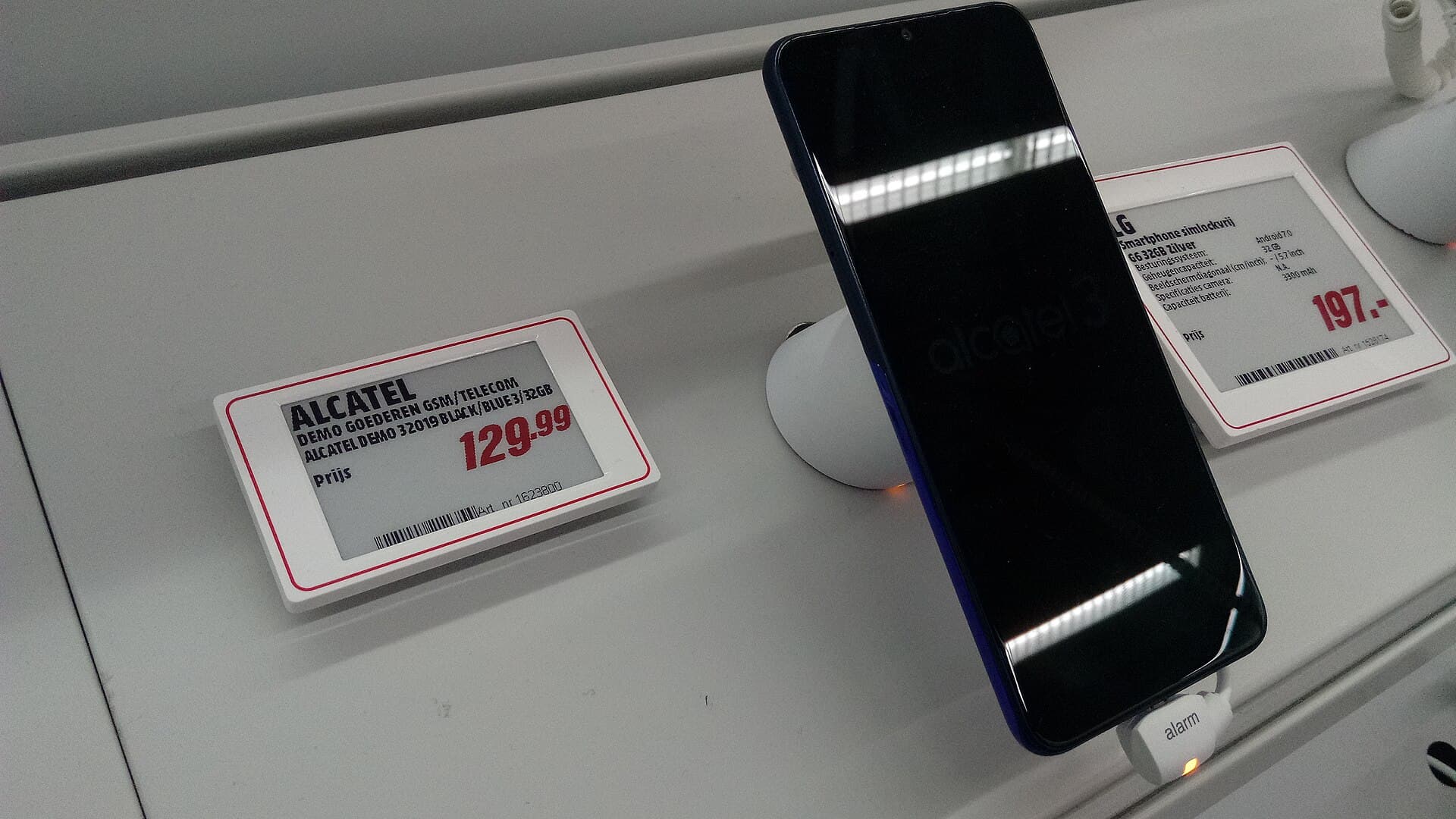
For years, a lot of us got used to consumer tech behaving like fast fashion: wait a few months, and the newer TV, laptop, or phone would eventually get cheaper. That mindset is getting harder to rely on. Even when sticker prices do not jump dramatically all at once, the sense of easy affordability can disappear through smaller discounts, pricier accessories, and fewer truly great sale moments.
The practical takeaway for shoppers is that an upgrade should probably be treated more like buying an appliance than grabbing an impulse deal. If your current device still works, a battery replacement, extra storage, or a basic repair may deliver more value than rushing into a brand-new model. A three-year-old phone or laptop that still handles your daily routine is often a better bargain than a flashy replacement bought at the wrong time.
This also means shopping the whole cost, not just the headline price. Warranties, chargers, cases, subscriptions, setup fees, and trade-in terms can make one “deal” much less attractive than it looks. In a tighter electronics market, retailers know shoppers focus on the big number first, so it pays to slow down and compare what you are actually getting for your money.
The slightly unfashionable strategy now is patience. Buy when your device truly stops meeting your needs, not when marketing makes you restless. If electronics stay expensive longer than shoppers hoped, the winning habit will not be chasing every launch — it will be learning how to maintain, repair, and replace more deliberately.
Photo: Donald Trung Quoc Don (Chữ Hán: 徵國單) - Wikimedia Commons - © CC BY-SA 4.0 International.(Want to use this image?)Original publication 📤: --Donald Trung 『徵國單』 (No Fake News 💬) (WikiProject Numismatics 💴) (Articles 📚) 16:57, 10 November 2019 (UTC) via Wikimedia Commons (CC BY-SA 4.0).
_01.jpg)
Related stories
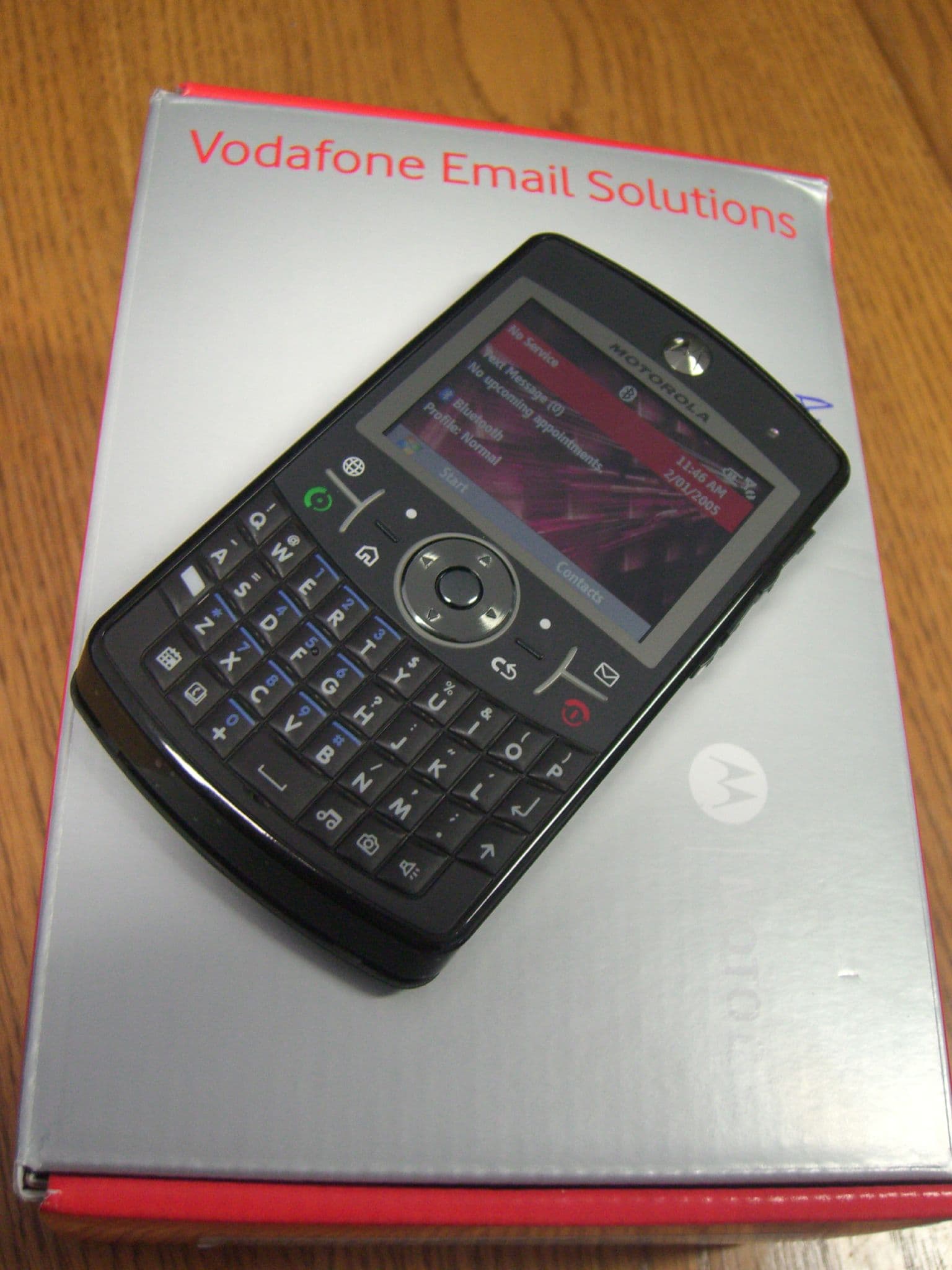
The Smartest Way to Shop New Tech Right Now
The newest gadget drop is always tempting, but the best buy is often the device that solves one daily annoyance without adding three new ones. For US shoppers, this is a good moment to focus on comfort, compatibility, and how long a product will still feel useful after the hype fades.

Why Chip Revenue Swings Matter to Everyday Tech Shoppers
Wall Street watches chip-company revenue for clues about the future, but regular consumers can read the same signals in a more practical way. When memory and mobile-chip demand shifts, it often shows up later in laptop deals, phone upgrades, and the timing of big tech purchases.

Why AI Money News Matters to Regular Tech Shoppers
Big funding rounds and IPO chatter can feel distant, but they often shape the apps, devices, and subscriptions Americans use every day. The real question is whether the next wave of AI competition brings better tools or just higher monthly bills.