Why Your Next Gadget Upgrade May Cost More Than You Expected
Memory shortages don’t sound glamorous, but they can quietly raise the cost of laptops, phones, and other everyday tech. For shoppers, this is a good moment to buy with a plan instead of assuming better deals are always around the corner.
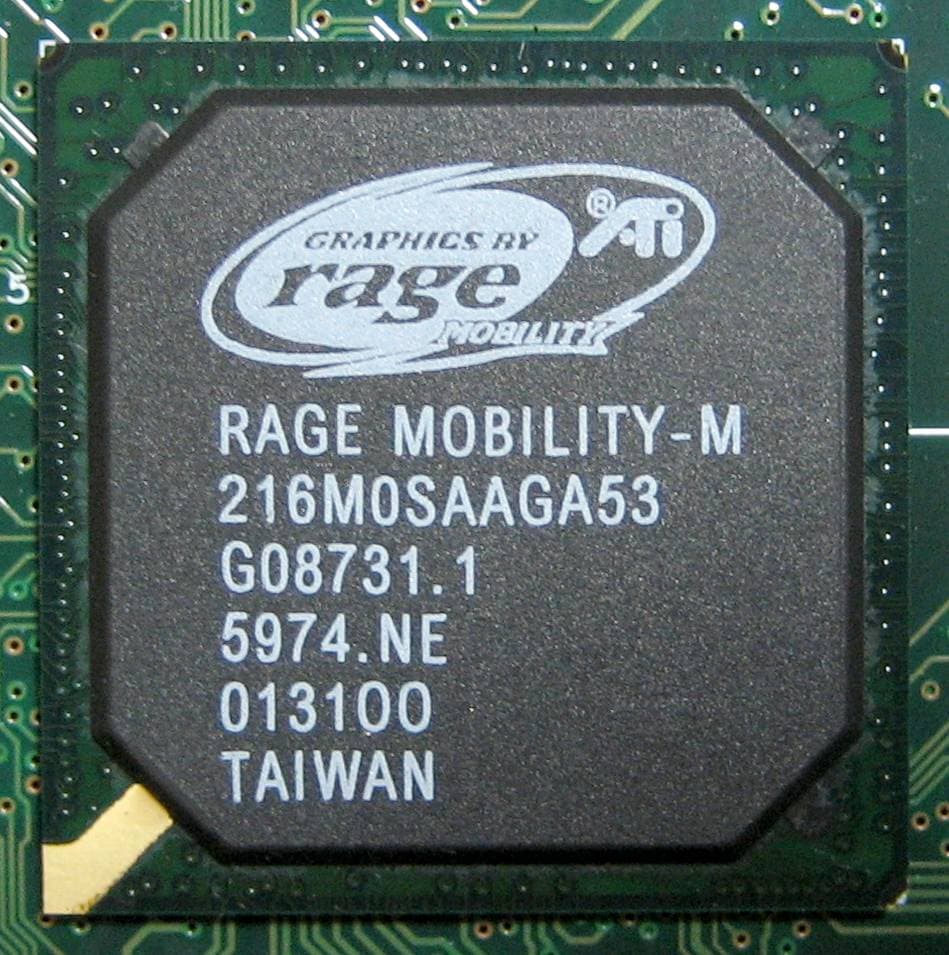
Most people never think about memory chips until a new laptop, phone, or gaming handheld suddenly feels overpriced. But when key components get tighter and manufacturers prioritize the most profitable customers, shoppers feel it fast. The result is familiar: fewer discounts, less generous upgrades, and a lot more products that look expensive for what they offer.
This matters most in the middle of the market, where people usually expect the best value. Budget and midrange devices are often the first places brands start trimming around the edges, whether that means less memory at the base configuration or smaller sale prices during big shopping events. A device that looked like an easy recommendation six months ago can become a mediocre deal if the internals stay the same while the price holds firm.
For US buyers, the practical move is to shop less by release hype and more by actual need. If your current computer or tablet is still doing the job, waiting can make sense, but only if you are prepared for deals to be uneven rather than automatically better later. If you do need something soon, prioritize enough memory and storage upfront, because those are the corners that can be costly to regret after checkout.
This is also a useful reminder that the smartest tech purchase is not always the newest one. Last year’s model, a manufacturer-refurbished device, or a well-specced open-box option may offer better real-life value than chasing a fresh launch in a tighter component market. When the supply chain gets weird, boring shopping habits usually win.
Photo: Qurren via Wikimedia Commons (CC BY-SA 3.0).

Related stories
The Smartest Way to Shop New Tech Right Now
The newest gadget drop is always tempting, but the best buy is often the device that solves one daily annoyance without adding three new ones. For US shoppers, this is a good moment to focus on comfort, compatibility, and how long a product will still feel useful after the hype fades.

Why Chip Revenue Swings Matter to Everyday Tech Shoppers
Wall Street watches chip-company revenue for clues about the future, but regular consumers can read the same signals in a more practical way. When memory and mobile-chip demand shifts, it often shows up later in laptop deals, phone upgrades, and the timing of big tech purchases.

Why AI Money News Matters to Regular Tech Shoppers
Big funding rounds and IPO chatter can feel distant, but they often shape the apps, devices, and subscriptions Americans use every day. The real question is whether the next wave of AI competition brings better tools or just higher monthly bills.