Why Your Next Laptop Upgrade Might Cost More Than Expected
Memory shortages don’t sound exciting, but they can quietly raise the price of everyday tech. For US shoppers, this is a good moment to buy with specs in mind instead of chasing the newest release.
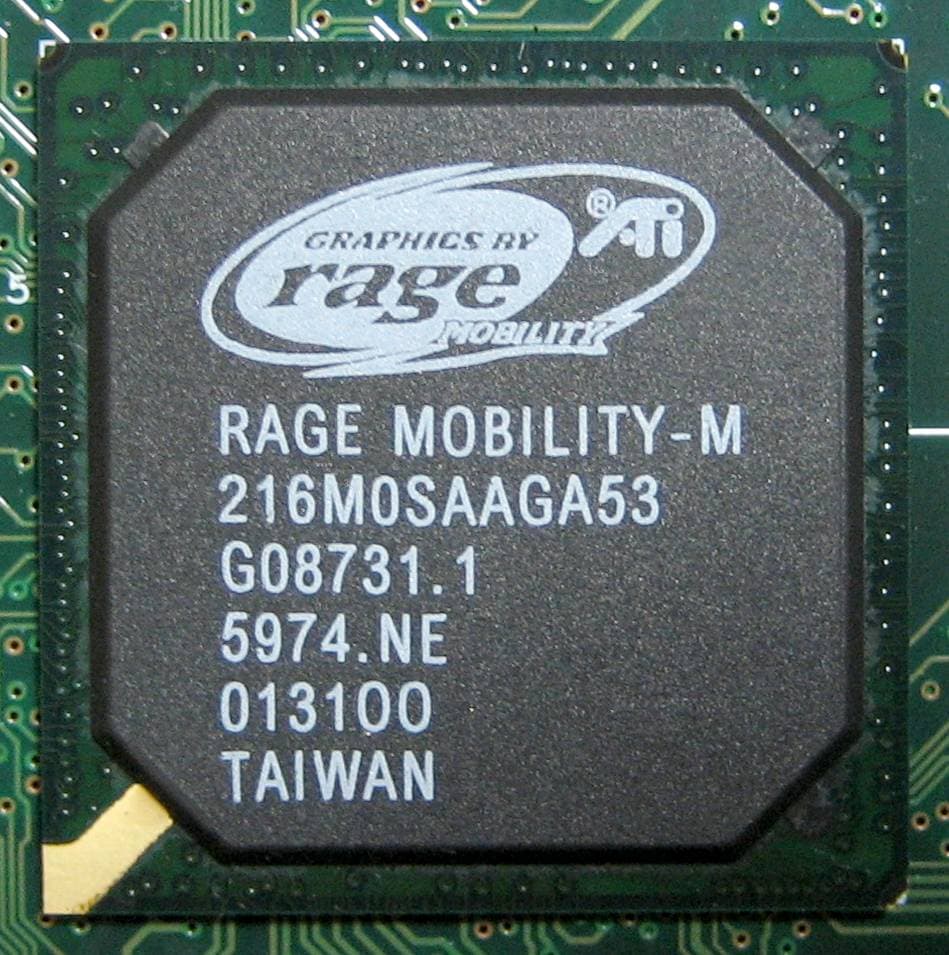
Most people never think about memory chips until a laptop, phone, or gaming handheld suddenly looks overpriced. But when supply gets tight, brands have a familiar habit: keep the sticker price looking roughly the same while trimming value everywhere else. That can mean less RAM in entry models, fewer discounts, or a bigger jump in price when you move up to a version that actually feels comfortable to use.
For US shoppers, the practical takeaway is simple: pay more attention to specs than launch buzz. If you’re replacing a computer this year, memory is one of the least glamorous parts of the purchase and one of the most important. A machine that looks like a deal on paper can age fast if it ships with the bare minimum, especially if you keep lots of browser tabs open, edit photos, play games, or expect to hang onto it for several years.
This is also one of those moments when last season’s tech can be the smarter buy. When component pressure hits the market, the best value often shows up in well-reviewed models that are already out, already tested, and occasionally discounted by retailers trying to clear inventory. Chasing the just-announced device only makes sense if you truly need a specific feature, because newer doesn’t always mean better priced.
The bigger cultural shift is that AI demand is no longer some distant industry story. It now has a way of showing up in regular shopping decisions, from laptop configurations to phone storage tiers. Consumers don’t need to become chip experts, but they do need a sharper eye: compare versions carefully, avoid underpowered base models, and don’t assume a premium price automatically means generous memory.
Photo: Qurren via Wikimedia Commons (CC BY-SA 3.0).

Related stories
The Smartest Way to Shop New Tech Right Now
The newest gadget drop is always tempting, but the best buy is often the device that solves one daily annoyance without adding three new ones. For US shoppers, this is a good moment to focus on comfort, compatibility, and how long a product will still feel useful after the hype fades.

Why Chip Revenue Swings Matter to Everyday Tech Shoppers
Wall Street watches chip-company revenue for clues about the future, but regular consumers can read the same signals in a more practical way. When memory and mobile-chip demand shifts, it often shows up later in laptop deals, phone upgrades, and the timing of big tech purchases.

Why AI Money News Matters to Regular Tech Shoppers
Big funding rounds and IPO chatter can feel distant, but they often shape the apps, devices, and subscriptions Americans use every day. The real question is whether the next wave of AI competition brings better tools or just higher monthly bills.