Why Your Next Phone Upgrade May Feel Less Urgent
When the parts inside everyday gadgets get pricier, shoppers don’t just pay more at checkout—they keep devices longer and shop more carefully. That shift could change how Americans buy tech for a while.
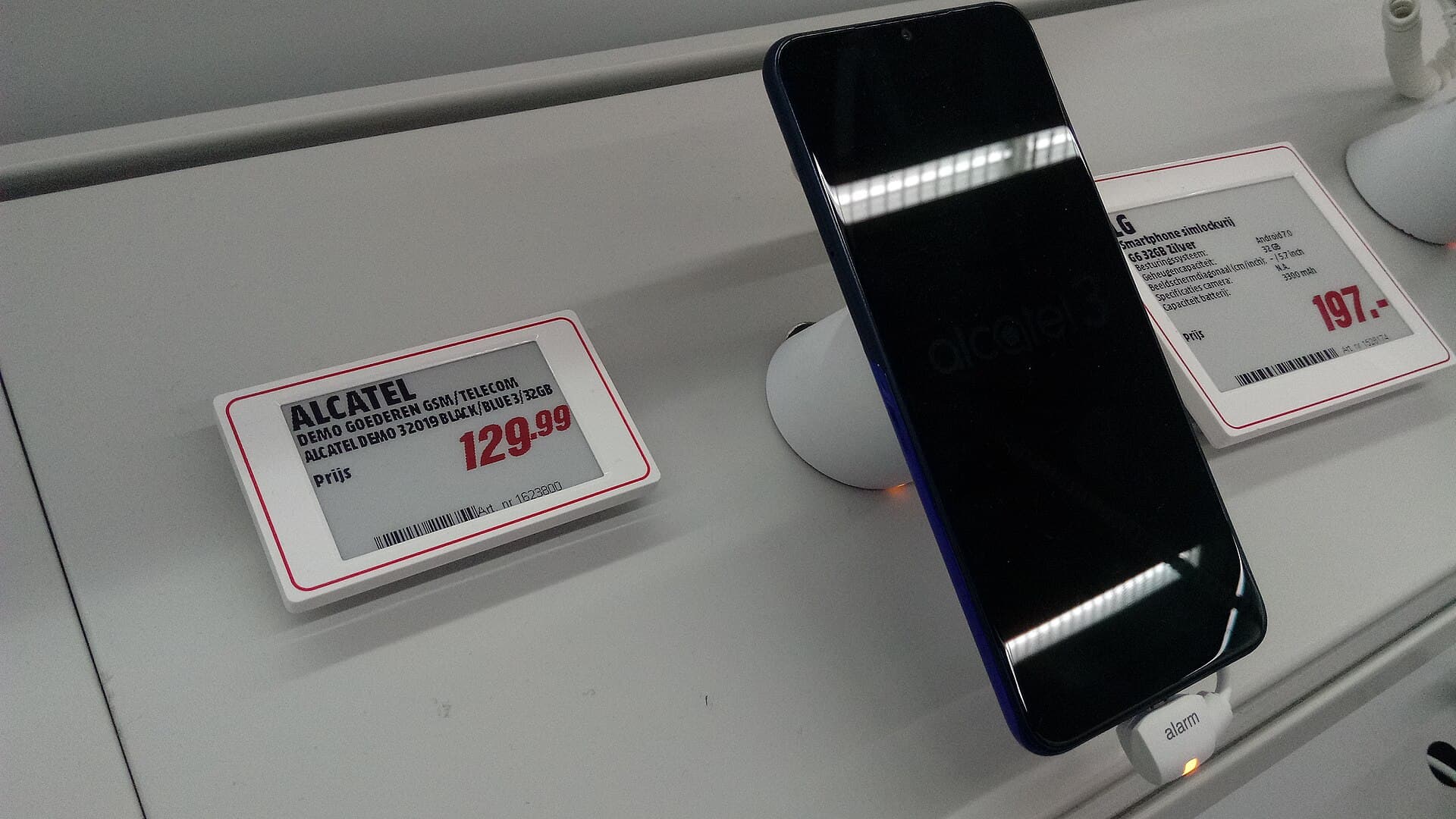
When core components get more expensive, the effect shows up fast in the gadgets people buy without much thought: phones, laptops, tablets, game systems, even basic accessories that depend on the same supply chain. For shoppers, the real story is not just a higher sticker price. It is the slow disappearance of the easy upgrade cycle that made replacing perfectly decent tech feel normal every year or two.
That makes this a practical moment to rethink what counts as a good deal. A flashy new device is less compelling when the older one still does the job, especially if a battery replacement, extra storage, or a simple repair can stretch its life. Refurbished models may also look a lot better to buyers who once insisted on buying new, particularly for kids, secondary devices, or work travel backups.
Retailers and brands will probably respond the way they often do when costs rise: more trade-in pushes, more financing offers, and more emphasis on premium features meant to justify higher prices. That does not automatically mean better value. Americans shopping this season may need to ignore the marketing cycle and focus on a shorter question: what problem does this upgrade actually solve for me right now?
If pricier internals stick around, consumer habits could shift in a lasting way. People may hold onto devices longer, protect them better, and become more selective about when to buy. That is not the most exciting tech trend, but it may be the healthiest one for household budgets.
Photo: Donald Trung Quoc Don (Chữ Hán: 徵國單) - Wikimedia Commons - © CC BY-SA 4.0 International.(Want to use this image?)Original publication 📤: --Donald Trung 『徵國單』 (No Fake News 💬) (WikiProject Numismatics 💴) (Articles 📚) 16:57, 10 November 2019 (UTC) via Wikimedia Commons (CC BY-SA 4.0).
_01.jpg)
Related stories
The Smartest Way to Shop New Tech Right Now
The newest gadget drop is always tempting, but the best buy is often the device that solves one daily annoyance without adding three new ones. For US shoppers, this is a good moment to focus on comfort, compatibility, and how long a product will still feel useful after the hype fades.

Why Chip Revenue Swings Matter to Everyday Tech Shoppers
Wall Street watches chip-company revenue for clues about the future, but regular consumers can read the same signals in a more practical way. When memory and mobile-chip demand shifts, it often shows up later in laptop deals, phone upgrades, and the timing of big tech purchases.

Why AI Money News Matters to Regular Tech Shoppers
Big funding rounds and IPO chatter can feel distant, but they often shape the apps, devices, and subscriptions Americans use every day. The real question is whether the next wave of AI competition brings better tools or just higher monthly bills.