Your Crossover Might Be the Best Battery Backup You Already Own
A car that can power everyday gear is less about novelty than convenience. For drivers, the appeal is simple: fewer extra gadgets, more flexibility when the power goes out or plans change.
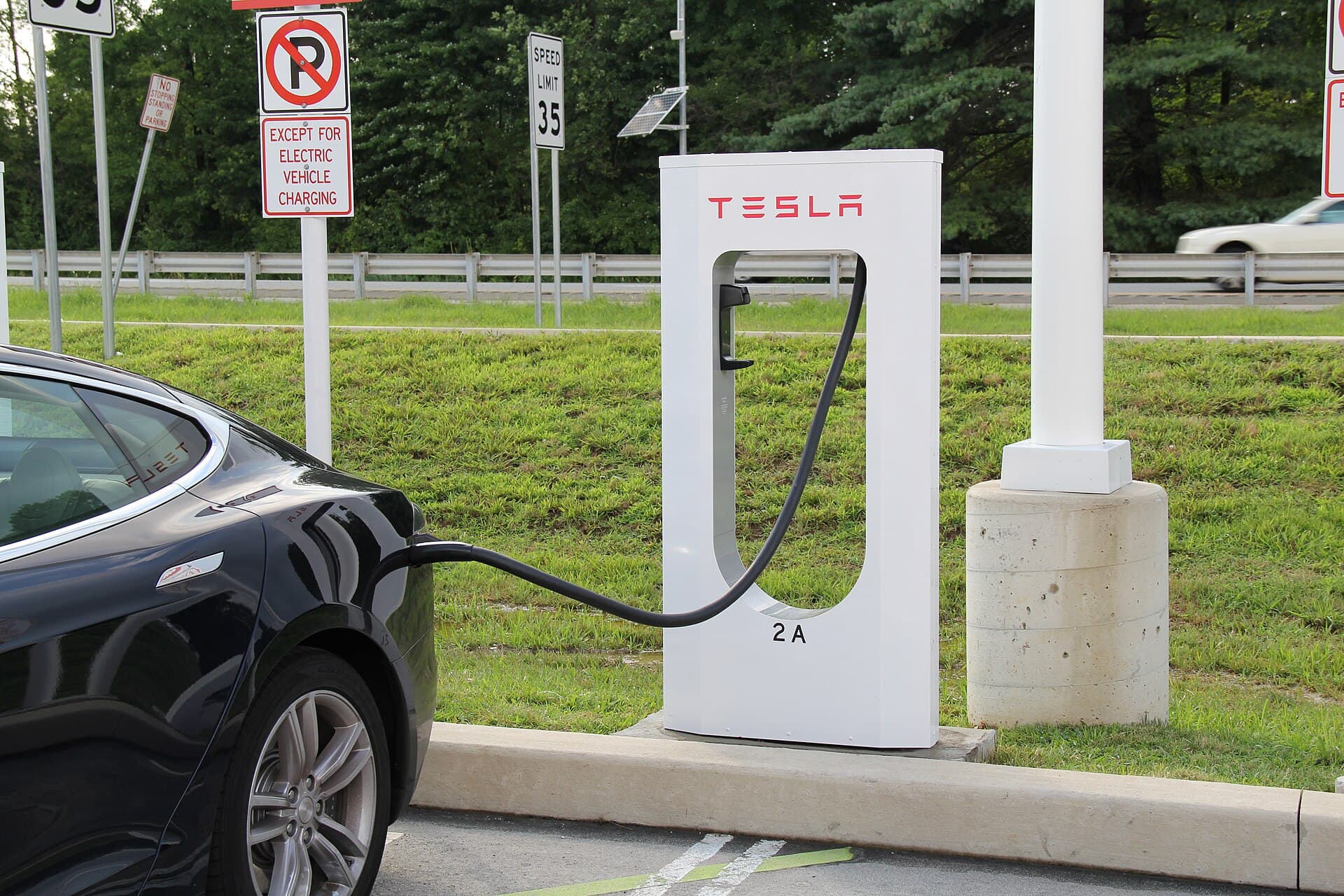
The most interesting part of a vehicle that can charge your stuff is not the party trick. It’s the idea that the car in your driveway can double as a practical backup for the small electronics that shape daily life, from phones and laptops to camping lights and portable coolers. For a lot of people, that feels more useful than another flashy in-car feature they’ll forget about after a week.
There’s a distinctly American appeal here because so many households already think in terms of emergency prep, road trips, youth sports, and tailgates. A vehicle that can share power fits naturally into that routine. If you’ve ever hunted for an outlet at a park pavilion or watched a power bank die halfway through the day, the value is easy to understand without needing to be an EV superfan.
It also hints at a bigger shift in how people shop for cars. Range and charging speed still matter, but convenience features that make a vehicle more adaptable are starting to feel just as modern. Buyers increasingly want one expensive purchase to cover more real-life scenarios, and power-sharing turns a car into something closer to a rolling utility device than just transportation.
The smart way to look at this feature is as a little bit of insurance and a little bit of freedom. It won’t replace a whole-home setup, and most drivers don’t need to overthink it. But being able to run a few essentials, keep devices alive, or make an outdoor plan easier is exactly the kind of low-drama usefulness that can make tech feel worth having.
Photo: Jeff Cooper (jecoopr) via Wikimedia Commons (CC BY 2.0).

Related stories
The Smartest Way to Shop New Tech Right Now
The newest gadget drop is always tempting, but the best buy is often the device that solves one daily annoyance without adding three new ones. For US shoppers, this is a good moment to focus on comfort, compatibility, and how long a product will still feel useful after the hype fades.

Why Chip Revenue Swings Matter to Everyday Tech Shoppers
Wall Street watches chip-company revenue for clues about the future, but regular consumers can read the same signals in a more practical way. When memory and mobile-chip demand shifts, it often shows up later in laptop deals, phone upgrades, and the timing of big tech purchases.

Why AI Money News Matters to Regular Tech Shoppers
Big funding rounds and IPO chatter can feel distant, but they often shape the apps, devices, and subscriptions Americans use every day. The real question is whether the next wave of AI competition brings better tools or just higher monthly bills.