Your Next Gadget May Cost More Than Expected
When big industrial demand starts competing for the same chips, power, and components that consumer products use, everyday electronics can get pricier and harder to find. For shoppers, that means timing and flexibility matter more than brand loyalty right now.
Most people notice inflation when a phone upgrade suddenly feels less optional and more like a financial decision. What’s easy to miss is how much consumer tech depends on the same underlying supply chain as much larger, more urgent buyers. When huge companies race to secure chips, electrical equipment, and manufacturing capacity, the ripple effect eventually lands on everyday shoppers.
That doesn’t mean every laptop, car, or gaming device is about to become impossible to afford. It does mean the era of endless discounts and easy replacement cycles looks a little shakier. If manufacturers are paying more for key parts or waiting longer for them, consumers usually feel it through fewer sales, trimmed features, longer backorder windows, or a quiet jump in the sticker price.
For American households, the practical move is to shop less like a fan and more like a strategist. If your current device still works, repairing it or stretching another year out of it may be the better deal. If you do need to buy, broadening your options beyond the newest release can matter more than waiting for a perfect promotion that may never come.
This is also a reminder that tech prices are no longer just about flashy launches or holiday markdowns. They’re tied to energy, industrial build-outs, and who gets first claim on scarce components. Shoppers don’t have much control over that bigger picture, but they can avoid panic buying, compare older models carefully, and treat reliability as a savings strategy instead of an afterthought.
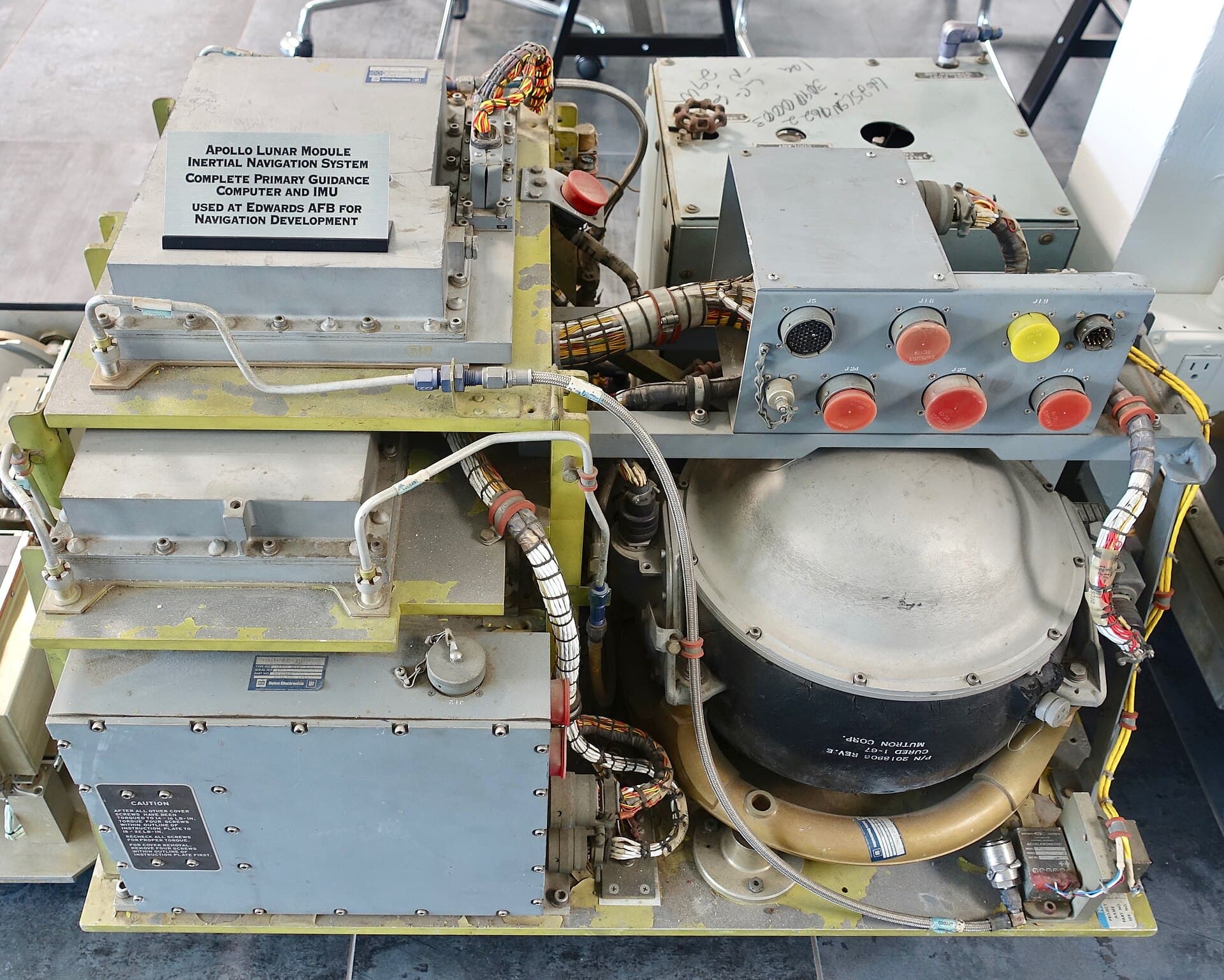
Photo: Steve Jurvetson via Wikimedia Commons (CC BY 2.0).
.jpg)
Related stories
The Smartest Way to Shop New Tech Right Now
The newest gadget drop is always tempting, but the best buy is often the device that solves one daily annoyance without adding three new ones. For US shoppers, this is a good moment to focus on comfort, compatibility, and how long a product will still feel useful after the hype fades.

Why Chip Revenue Swings Matter to Everyday Tech Shoppers
Wall Street watches chip-company revenue for clues about the future, but regular consumers can read the same signals in a more practical way. When memory and mobile-chip demand shifts, it often shows up later in laptop deals, phone upgrades, and the timing of big tech purchases.

Why AI Money News Matters to Regular Tech Shoppers
Big funding rounds and IPO chatter can feel distant, but they often shape the apps, devices, and subscriptions Americans use every day. The real question is whether the next wave of AI competition brings better tools or just higher monthly bills.